
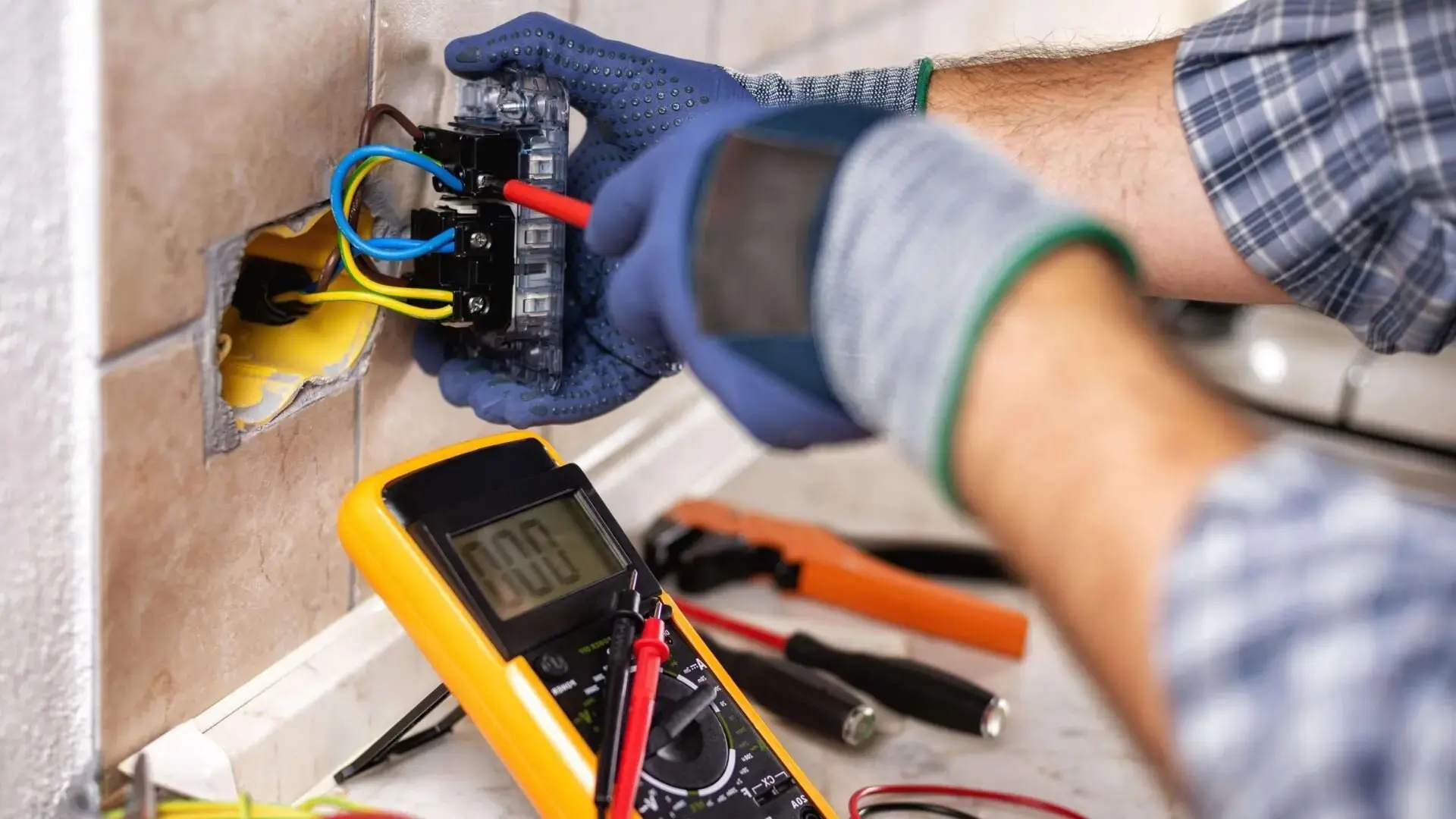
Unexplained flickering lights can be more than just a minor inconvenience; they often signal underlying electrical issues that need prompt attention. Many homeowners experience moments when their lights seem to dim or flash without warning, causing concern and sometimes anxiety about safety. Identifying the root cause of such electrical problems requires careful observation, technical knowledge, and methodical troubleshooting. Understanding how an emergency electrician approaches these situations can provide insight into the steps involved in diagnosing and resolving flickering lights. We will explore the systematic methods used to assess, identify, and fix electrical issues that cause lights to flicker, providing insight into the complexity of residential and commercial electrical systems.
How Emergency Electricians Identify the Source of Flickering Lights
Initial Visual and Physical Inspection
The first step an emergency electrician from Veterans Heating and Cooling takes is a thorough visual inspection of the affected areas. This includes checking light fixtures, switches, and outlets for any signs of wear, damage, or loose connections. Flickering lights can sometimes be caused by simple issues, such as a loose bulb or a faulty lamp, but more often, the problem originates from wiring or circuit connections. During this stage, the electrician also examines the electrical panel for tripped breakers or indications of overloaded circuits.
Identifying patterns in flickering, such as whether it occurs during the operation of high-powered appliances, can provide valuable clues. By carefully observing the conditions under which the flickering occurs, electricians gather initial data that guides further testing and analysis. This hands-on inspection ensures that visible, easily correctable problems are addressed first, helping to prevent unnecessary disruptions and ensuring homeowner safety.
- Evaluating Circuit Load and Distribution
Once the visual inspection is complete, the electrician evaluates how electricity is distributed across the home or building. Flickering lights can occur when circuits are overloaded or when certain appliances draw sudden bursts of power. The electrician measures voltage levels and assesses whether fluctuations are consistent across different outlets or localized to specific areas. Using tools such as multimeters and clamp meters, they determine whether the electrical system can handle the current load. This step often involves temporarily disconnecting devices or redistributing electrical loads to isolate the source of instability. Understanding circuit load dynamics is crucial because improper distribution can lead to recurring flickering, increased energy costs, and potential hazards. This methodical approach enables the electrician to determine whether the problem is systemic or isolated to a specific circuit or device.
- Checking for Loose or Corroded Connections
Flickering lights are frequently caused by loose or corroded wiring connections. The electrician inspects junction boxes, outlets, switches, and connections at the electrical panel for any signs of degradation or looseness. Corrosion can interrupt the smooth flow of electricity, leading to intermittent flickering. Loose connections pose safety risks, including the potential for electrical fires, and require immediate correction. Using specialized tools, the electrician tests connections for continuity and stability, tightening or replacing components as needed. This stage emphasizes the importance of safety protocols, as working with live electrical components carries inherent risks. By addressing loose or corroded connections, electricians eliminate a common cause of flickering while ensuring the system remains secure and functional for long-term use.
- Testing Voltage Stability
Voltage fluctuations can create noticeable flickering in lighting systems. Emergency electricians measure voltage stability throughout the electrical system using diagnostic equipment. They observe whether voltage drops coincide with the operation of large appliances, HVAC systems, or other electrical loads. Sudden spikes or drops in voltage can indicate issues such as failing transformers, wiring faults, or problems related to the utility. By monitoring voltage levels over time, electricians can identify irregularities that may not be immediately visible. This step is crucial for preventing damage to appliances and electronics, as unstable voltage can cause premature failure of sensitive equipment. Diagnosing voltage instability also helps determine whether the source of flickering originates within the home or from external utility lines.
- Examining Electrical Panel Components
The electrical panel, often referred to as the breaker box, is central to managing a building’s electrical system. Flickering lights sometimes indicate problems with breakers, fuses, or busbars within the panel. An emergency electrician inspects these components for signs of overheating, corrosion, or wear and tear. They test the integrity of each breaker to ensure it can safely handle the assigned load. Faulty breakers can fail to maintain consistent electrical flow, resulting in flickering or intermittent outages. The electrician also checks for proper grounding and bonding within the panel, which are essential for system stability. By thoroughly examining the panel, electricians can identify underlying issues that, if left unaddressed, could escalate into serious hazards or system failures.
- Identifying External Influences
Occasionally, flickering lights are caused by factors outside the immediate electrical system. These can include problems with the utility supply, voltage irregularities from neighboring properties, or interference from nearby equipment. Emergency electricians consider these possibilities when internal inspections do not reveal a clear cause. They may coordinate with the utility company to investigate service lines or transformers, ensuring that any external issues are identified and corrected. Understanding the broader electrical environment enables electricians to deliver a comprehensive diagnosis, preventing recurring problems and ensuring that the solution addresses all potential sources of flickering. This holistic approach emphasizes the importance of considering both internal and external factors that influence electrical performance.
Flickering lights are more than a simple annoyance; they can indicate underlying electrical problems that require careful assessment and timely intervention. Emergency electricians follow a structured process to diagnose and resolve these issues, starting with visual inspections, evaluating circuit loads, and checking connections. They then test voltage stability and examine electrical panel components. External factors are also considered to ensure a comprehensive understanding of the problem. By documenting findings and implementing targeted solutions, electricians restore stable lighting, prevent hazards, and improve overall system reliability. Understanding this process underscores the importance of professional electrical assessments for maintaining safe and efficient electrical systems in homes and businesses.