
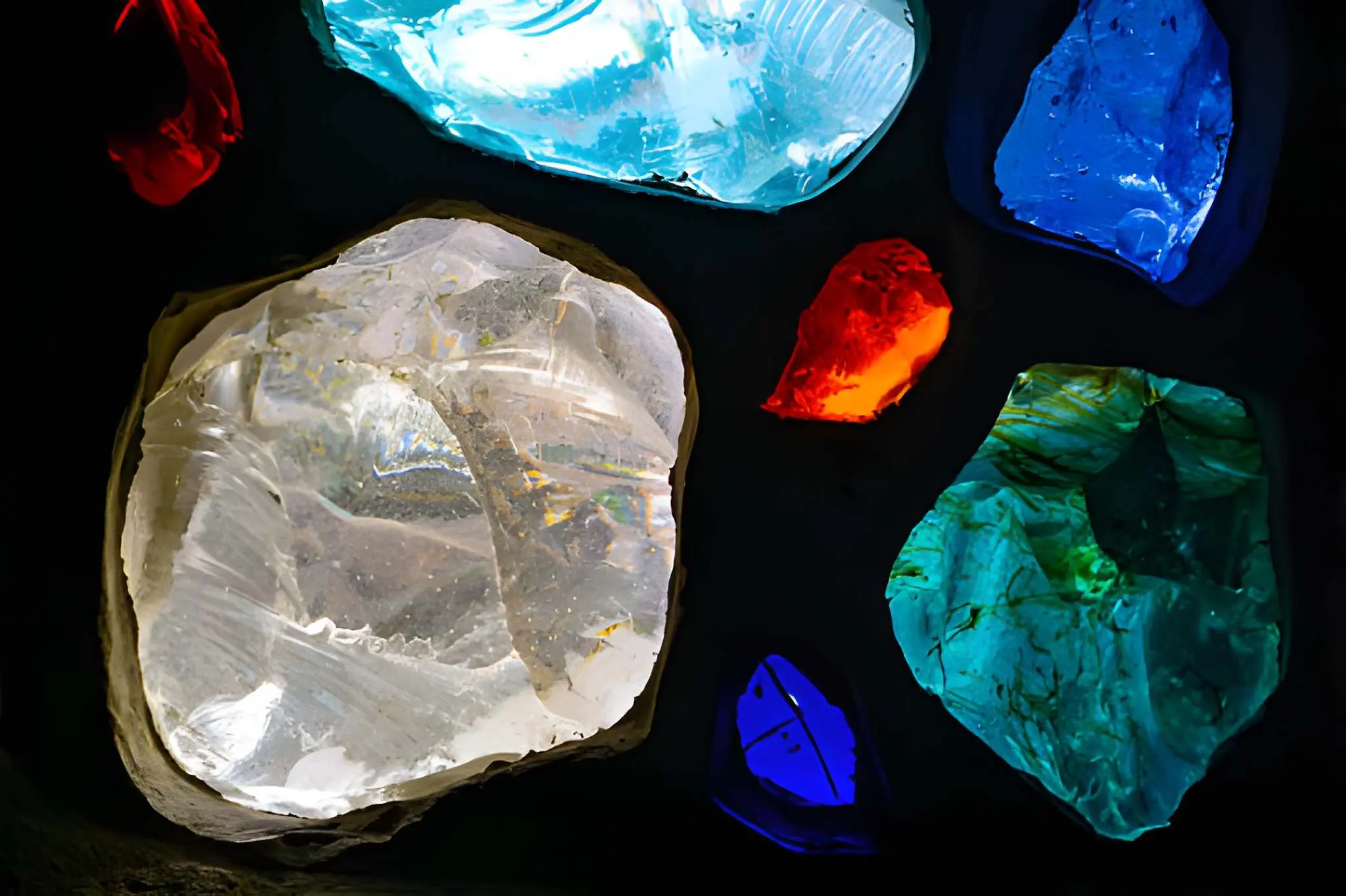
When natural stone meets modern lighting, the result is nothing short of breathtaking. Backlit translucent stone has become one of the most captivating design elements in contemporary architecture and interior design. It transforms walls, countertops, and surfaces into glowing art pieces that enhance both beauty and atmosphere. Beyond its visual appeal, it combines engineering precision with artistic expression, creating a perfect balance of form and function. You can see how this type of integration fits beautifully into modern projects by visiting Hyperion Home Remodel & Contracting, serving San Marcos, CA.
The Allure of Translucent Stone
Few materials can rival the natural elegance of stone, and when light passes through it, the results are mesmerizing. Stones like onyx, marble, quartzite, and alabaster possess natural translucency that allows soft light to filter through, revealing intricate veining and rich color variations. This effect turns a static surface into something dynamic, alive, and radiant.
Architects and designers love translucent stone because it can completely change a space’s mood. In a softly lit room, it exudes calm and warmth. In a commercial setting, it becomes an attention-grabbing centerpiece. The versatility of this material means it can be used in bars, hotel lobbies, bathroom vanities, feature walls, or even staircases. Each slab tells its own story through the natural patterns that the light reveals.
Creating these illuminated features requires more than just placing lights behind stone. The lighting system must be carefully engineered to ensure even brightness without visible hot spots or glare. When designed properly, the stone appears to glow from within, giving the illusion of natural illumination. To understand how this intricate art is achieved, explore detailed lighting techniques at the https://www.illuminatedlightingdesign.com website.
Light as a Design Medium
Light is not just a source of visibility; it is a material in itself. In a backlit stone design, light defines the tone, mood, and spatial perception of an area. The interaction between light and stone texture creates a sense of depth that cannot be replicated by paint or surface finish alone.
Designers often select the color temperature of light based on the stone’s characteristics. Warm tones enhance golden or amber hues, while cooler light accentuates white or gray marbles. LED technology has made it easier to customize brightness and tone while reducing energy use. Dimmable systems allow homeowners to shift from a bright, striking display to a softer glow depending on the time of day or mood.
Even light diffusion is critical. Without proper diffusion layers or spacing between the LEDs and the stone, you risk uneven lighting or visible light points. This is why high-quality lighting panels, proper backing, and precision installation are essential to achieving that seamless glowing effect.
The Engineering Behind the Beauty
Behind every stunning backlit surface lies a balance of design and engineering. The first step involves selecting the right type of stone and determining its level of translucency. Some stones naturally allow more light to pass through than others. Onyx, for example, is one of the most translucent, while certain marbles may need to be thinned or polished to achieve the desired glow.
Next comes the lighting setup. Designers work with engineers to plan the spacing, heat management, and access points for future maintenance. Since LEDs generate minimal heat, they are the preferred choice for backlighting stone. However, there still needs to be enough ventilation or space between the lighting and the stone surface to avoid long-term discoloration or damage.
Mounting the stone also requires precision. Any unevenness in the substrate can cause shadows or light gaps. Installers often use specialized brackets, clear adhesives, and removable panels to ensure both stability and accessibility. The wiring and power supply are usually hidden in recesses or cabinetry, maintaining a clean and uninterrupted appearance.
Where Backlit Stone Shines the Brightest
The applications for backlit translucent stone are as varied as the imagination allows. In kitchens, it turns countertops and islands into statement pieces that radiate luxury. In bathrooms, it brings warmth and serenity to vanities or shower surrounds. Commercial spaces often use it in reception areas, walls, or bar fronts to impress visitors and create a memorable ambiance.
In hospitality settings, designers often integrate backlit stone with mirrors or water features for an extra layer of sophistication. The gentle play of light adds a natural rhythm to the environment, shifting subtly throughout the day and night.
Even staircases and floors can incorporate translucent stone. When paired with reinforced LED panels and anti-slip coatings, they deliver a dramatic visual effect without compromising safety. The key lies in thoughtful placement and moderation. Too much illumination can overwhelm the eye, while subtle integration enhances the natural appeal of the material.
Sustainability Meets Style
Modern lighting systems have made this art form more sustainable. High-efficiency LED panels consume minimal energy compared to older systems and last for years without frequent replacement. Many lighting systems are programmable, allowing homeowners or designers to control brightness, color, and timing from smart devices.
Additionally, because the light enhances even small sections of stone, designers can use thinner slabs or leftover pieces that might otherwise go to waste. This sustainable approach maximizes material use while reducing waste in production.
Proper installation also extends longevity. When stone and lighting are installed with future servicing in mind, panels can be replaced without major disruption. This ensures the beauty of the installation lasts for decades, maintaining both environmental and financial value.
Bringing the Vision to Life
The success of any backlit stone project depends on collaboration between designers, engineers, and craftsmen. From material selection to lighting calibration, every decision affects the outcome. The process is both technical and creative, blending structural know-how with artistic intuition.
It begins with a vision: how the space should feel and how the stone’s natural beauty can complement the architecture. From there, mock-ups and lighting tests help fine-tune the result. Each detail—color, brightness, texture, and composition—contributes to the overall harmony.
When executed properly, the final result feels timeless. The space glows with life, the stone reveals its hidden layers, and the entire environment feels elevated.
A New Chapter in Design
Backlit translucent stone represents more than just a trend; it’s a design evolution. It brings light and nature together in a way that transforms how people experience space. The glow from within the stone evokes warmth, sophistication, and connection to the natural world. It bridges the gap between functionality and art, creating an atmosphere that feels both modern and eternal.
Whether used in a single focal point or throughout an entire home, backlit stone remains a hallmark of refined design. Its power lies not only in the materials themselves but in the thoughtful interplay of technology, craftsmanship, and creativity that brings them to life.
Also Read