
Key Takeaways
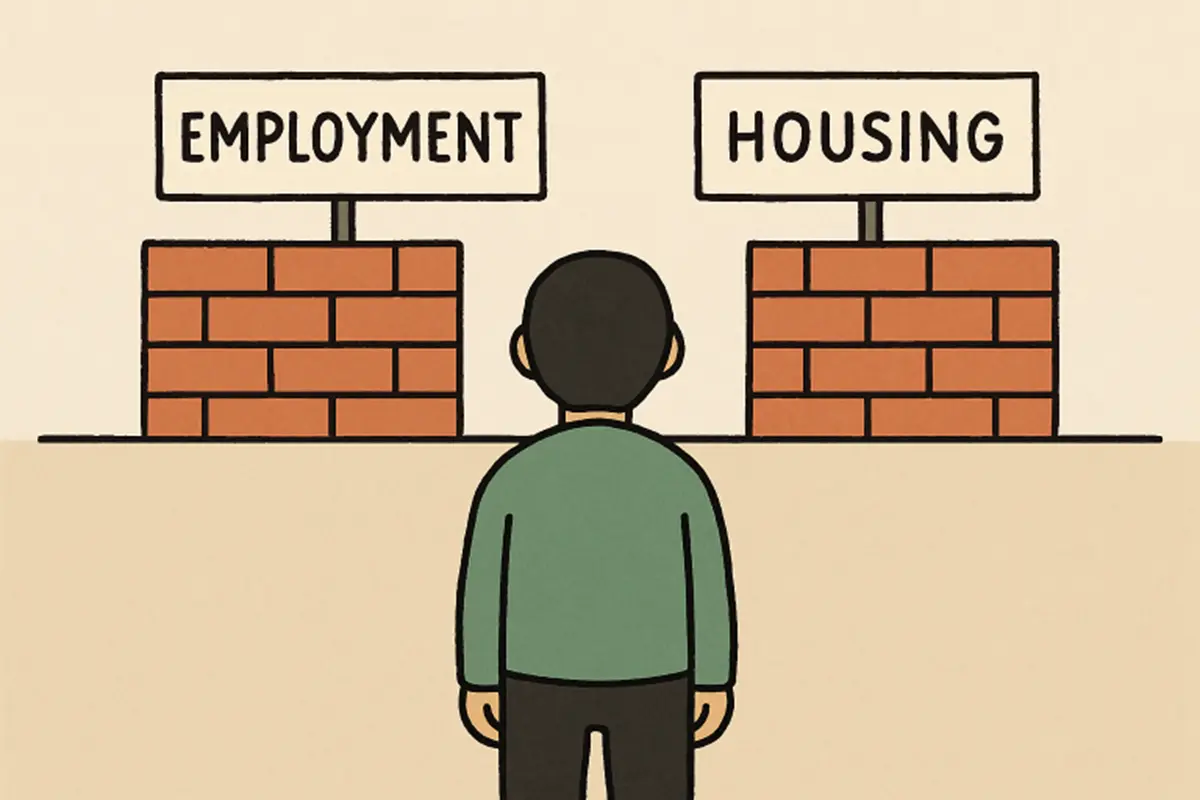
- Sex crime convictions generally trigger mandatory registration, creating hurdles in employment and housing.
- Background checks and housing applications are routinely denied due to sex offender status.
- Legal restrictions and social stigma combine to create a cycle that is often difficult to break without legal assistance.
- There are some resources and legal mechanisms available to mitigate these effects, but proactive steps are essential.
Table of Contents
- Sex Offender Registration and Its Societal Impact
- Employment Barriers After Conviction
- Housing Restrictions and Challenges
- Additional Social Consequences
- How to Address and Overcome Barriers
- Conclusion
Sex crime convictions carry consequences that reach far beyond legal penalties, profoundly affecting individuals’ ability to secure employment and stable housing. These long-term effects are particularly evident in Georgia, where strict laws and pervasive social stigma compound the challenges. Navigating these hurdles often requires guidance from a knowledgeable sex crime consequences attorney in Georgia who understands the unique legal and social obstacles faced by those with such convictions.
Public perception, employer policies, and housing regulations all play a role in determining what life looks like after a sex crime conviction. Individuals often face a complex landscape in which opportunities for a fresh start are limited, leading to significant stress and barriers to reintegration. This article examines the critical ways in which a sex crime conviction can limit employment and housing options, outlining essential information for those directly impacted and for their families.
Sex Offender Registration and Its Societal Impact
One of the most significant consequences of a sex crime conviction is mandatory registration as a sex offender. This registration is public, easily accessible, and includes personal information such as name, address, photo, and the specific offense. Both employers and landlords can quickly check these registries, making it difficult for individuals to find stable employment or housing.
The stigma attached to being listed on a sex offender registry can lead to harassment, ostracization, and even safety threats. For many, the public nature of the registry acts as a continual punishment well after any formal sentence is complete. It also places immense pressure on families who may face discrimination or displacement as a result.
Aside from the personal impact, research shows that public registries rarely serve their intended purpose of increasing community safety, and instead often hinder rehabilitation by limiting access to basic needs and stability.
Employment Barriers After Conviction
Background checks are now routine in most hiring processes. Employers may legally deny a job based on a criminal record, but having a sex crime listed is almost always a disqualifier. Certain professions, especially those involving children, vulnerable adults, or positions of trust, are entirely off-limits due to state and federal laws.
Even jobs in retail, hospitality, or manual labor can become inaccessible. Employers are wary of liability, public backlash, and negative media attention if it becomes known that they hired someone on the registry. As a result, unemployment rates among individuals with sex crime convictions are extraordinarily high, which in turn exacerbates risk factors for recidivism and poverty. In some places, only basic temporary or low-wage work may be available, if at all.
Housing Restrictions and Challenges
People with sex crime convictions also face substantial barriers when seeking housing. Many states, including Georgia, have strict laws about where registered offenders can live. These restrictions may prohibit residing near schools, parks, playgrounds, churches, or daycares, significantly reducing the pool of available housing.
Landlords frequently run background checks and can deny applications based on sex offender status, either due to their own concerns or by following specific property management rules. Public housing authorities are also permitted by federal law to exclude individuals with certain types of criminal histories, including sex offenses.
Additional Social Consequences
Beyond employment and housing, individuals with sex crime convictions face collateral consequences in nearly every facet of daily life. They may be barred from volunteering at community organizations, participating in children’s activities, or even visiting certain public places. Some individuals experience ongoing harassment or threats from neighbors or strangers who find their information online.
The stress of navigating these obstacles can take a significant toll on mental health, with increased rates of anxiety, depression, and isolation commonly reported. Relationships with family members, children, and friends may become strained due to constant scrutiny and the inability to participate in community life fully.
How to Address and Overcome Barriers
While the barriers faced by individuals with a sex crime conviction are daunting, there are some options and resources available to improve outcomes. Legal assistance from professionals specializing in post-conviction relief and registry removal is essential for those seeking a path toward greater opportunity. Some states allow petitioning for removal from the registry after a period of demonstrated good behavior.
Community reentry programs and specific advocacy organizations also help individuals find suitable housing and access job training, although options are limited. Proactive efforts, such as building a strong personal support network and preparing for difficult conversations with employers or landlords, are often necessary to improve chances for a successful transition back into society.
Conclusion
Sex crime convictions create significant, long-lasting barriers to employment and housing, often trapping individuals in cycles of hardship and exclusion. Overcoming these obstacles requires informed legal representation, community support, and perseverance. By understanding the consequences and available resources, individuals and their families can better navigate the path towards stability and reintegration.
Also Read-How LATAM’s Tech Talent Is Driving Digital Transformation Globally