
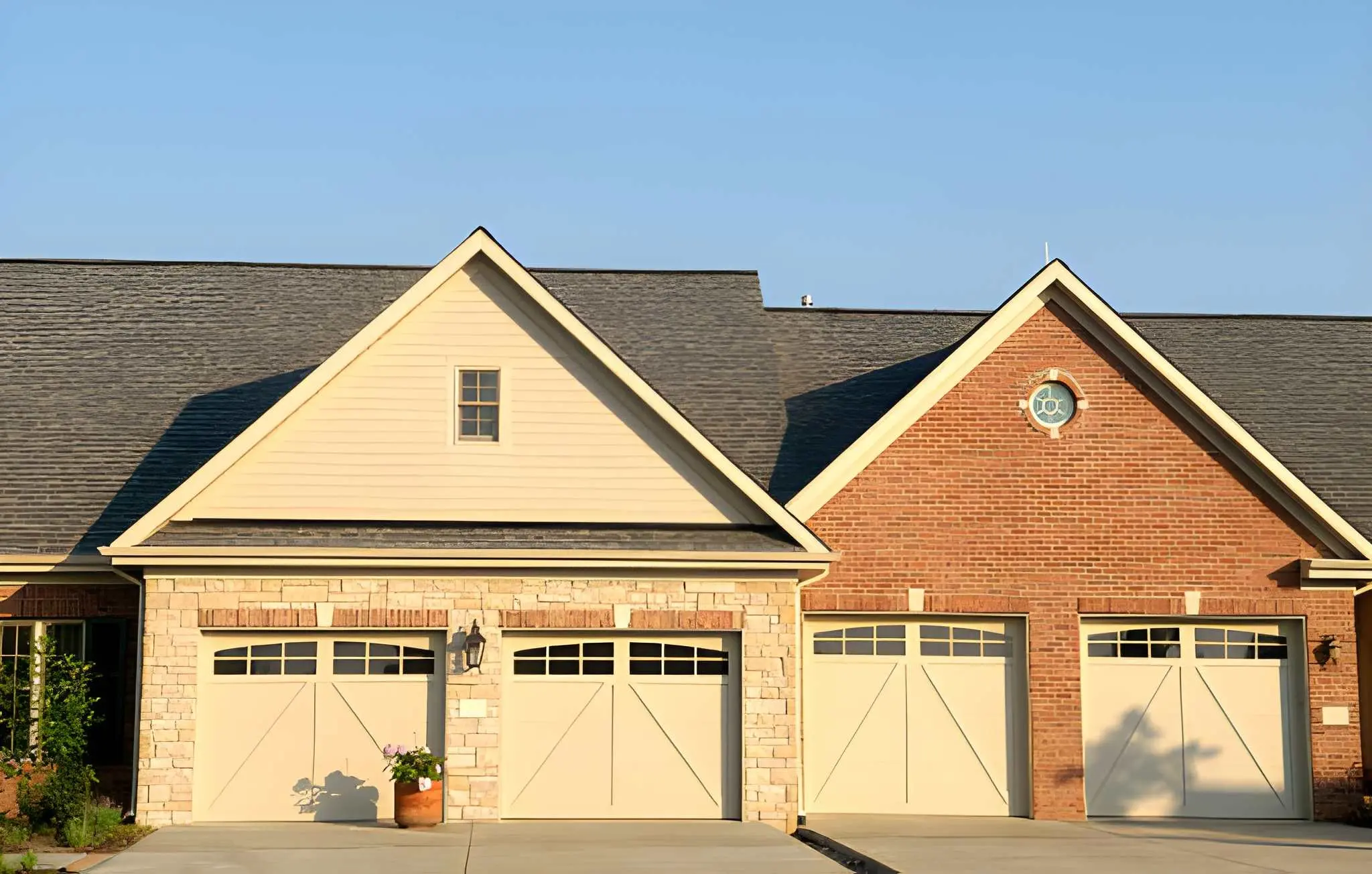
Most homeowners think durability is only about using strong materials, but long-lasting garage doors depend on design, insulation, hardware strength, free estimates on new doors, and even how well they’re installed. Before comparing styles, it helps to understand what contributes to lifespan and what quietly shortens it over time.
Material Matters More Than Most People Think
The material you choose affects everything from maintenance to noise levels. Steel is popular because it resists warping, while wood offers classic charm but needs more care. Aluminum stays rust free but can dent more easily. Composite materials give you the look of wood without constant upkeep. The goal is not to pick the most expensive option, but the option that fits your climate, usage, and patience for maintenance.
Insulation Is Not Just About Temperature
A lot of people underestimate insulation, assuming it only helps in extreme seasons, but insulated doors also reduce noise, strengthen the structure, and create a more comfortable garage environment overall.
Why Insulation Extends Lifespan
Insulation adds rigidity, helping doors resist bending and impact over time. Good insulation levels also protect mechanical parts by reducing temperature swings that cause metal components to expand and contract. That tiny detail is often the difference between a door that lasts eight years and one that lasts well over a decade.
The Hardware Behind the Scenes
Most of the durability is hidden in the details you don’t see. Springs, rollers, hinges, and tracks do the heavy lifting. If these parts are low quality, no door material can compensate.
Strong Hardware Makes All the Difference
High cycle springs last significantly longer than standard ones. Nylon rollers tend to stay quieter and smoother than metal rollers. Reinforced hinges reduce wobbling and help keep panels aligned. These upgrades don’t always add a large cost, but they dramatically increase longevity. Fun fact: Garage doors move more than a thousand pounds of tension every time they open and close.
The Power of a Proper Seal
A garage door is only as strong as the barrier it creates. Poor sealing leads to moisture, debris, insects, and temperature fluctuations creeping inside. Over time, this can cause rust, swelling, and cracked paint.
Why Weather Seals Should Never Be Ignored
Bottom seals block drafts and dust. Side and top seals prevent rain and insects from finding their way into the garage. If the floor isn’t level, adjustable threshold seals can help, protecting the bottom edge of the door from premature wear. Replacing seals is inexpensive, yet it saves years of unnecessary damage.
Choosing a Style That Ages Well
Looks matter, but they shouldn’t be the only deciding factor. Some styles hide dents better, while others improve airflow or reduce strain on moving parts.
The Best Practical Style Features
Raised panel doors hide small imperfections well. Smooth doors look modern but show scratches easily. Adding windows gives natural light, which is great if you use your garage as a workspace, but it also increases the chance of glass damage. Pick a style that fits your lifestyle and the way your garage is used daily. Fun fact: The garage door is often the single largest moving object in an entire home.
Why Professional Installation Protects Longevity
Even the best door won’t last if installed poorly. Incorrect alignment puts stress on the motor and causes early wear on springs and rollers.
What Proper Installation Should Achieve
A well installed door should move smoothly, stay balanced, and feel secure whether being opened manually or by a motor. The tracks should be perfectly aligned and the opener calibrated so it doesn’t strain unnecessarily, and if something feels off, call (949) 749-7665 before the issue grows. A door that struggles on day one will rarely survive long term without repeated repairs.
Maintenance Habits That Keep Doors Going Strong
Even durable garage doors need occasional attention. Small habits go a long way toward preserving structure and performance.
Simple Care Tips That Make a Major Difference
Check the balance every few months. Listen for new sounds. Lubricate metal moving parts to reduce friction. Clean the panels when dirt begins to accumulate. These little habits prevent bigger problems from forming under the surface.
Selecting a long lasting garage door isn’t about choosing the heaviest material or the priciest option. It’s about understanding how construction, insulation, hardware, sealing, installation, and maintenance all work together. When each piece supports the others, you get a door that operates quietly, looks great, and stands strong for many years.
Also Read