
Table of Contents
- Ensure Safety First
- Document the Damage
- Contact Your Insurance Provider
- Make Temporary Repairs
- Hire Reputable Contractors
- Be Aware of Potential Hazards
- Seek Community Support
- Plan for Future Storms
In the aftermath of a severe weather event, many homeowners find themselves unsure of what to do next. The hours and days following a storm are critical for both safety and effective restoration. Knowing how to respond quickly and efficiently can make a significant difference in minimizing further loss and speeding up the recovery process. Whether your home suffered minor leaks or major structural damage, following a clear, step-by-step plan is crucial. For Houston residents or those in similar storm-prone areas, specialized services like storm damage roof repair Houston can help address urgent repair needs and protect your property from additional harm.
Taking immediate action not only safeguards your household but also ensures that potential insurance claims go as smoothly as possible. Emphasizing safety, documentation, and careful selection of repair professionals are essential elements for anyone facing storm-related destruction. Acting promptly can also prevent further issues, such as water damage, mold growth, and repair scams.
Ensure Safety First
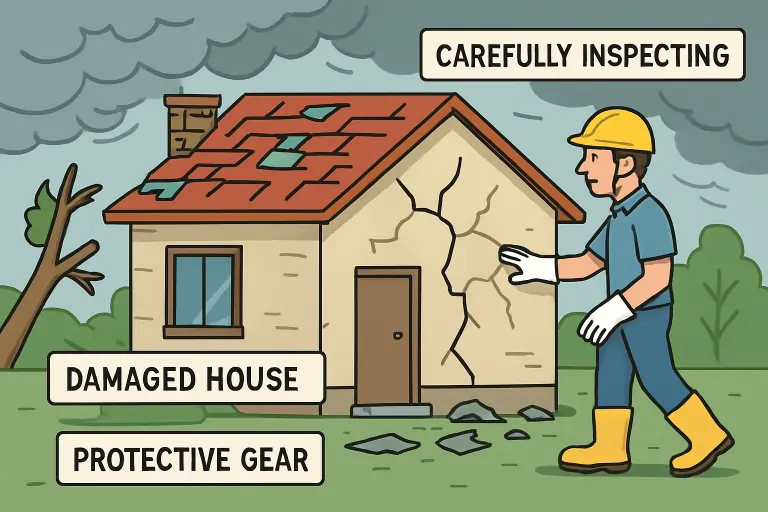
Your safety and that of your loved ones should always take precedence over property concerns. If your home has sustained significant damage or you see dangers such as collapsed structures, live power lines, or flooding near electrical outlets, do not enter. Wait for official clearance from local authorities before returning if you’ve evacuated. When inspecting affected areas, always wear protective gear such as long pants, a durable shirt, and closed-toe shoes to avoid injury from sharp debris or contamination.
Take caution even after the storm has passed, as hidden threats like weakened ceilings, hanging branches, and displaced wildlife can cause harm.
Document the Damage
Once it’s safe, meticulous documentation is your best tool for a successful insurance claim. Use your smartphone or camera to record clear, comprehensive photos and videos of all affected areas. Capture external and internal structural damage, as well as close-ups of ruined belongings, including electronics, furniture, appliances, and personal valuables. Create a written inventory with estimated values and, if possible, purchase dates.
Pay attention to hidden damages as well, such as soaked insulation, water stains on ceilings, or cracks in the foundation. Proper documentation at this stage will help streamline communications with your insurance provider and ensure a fair settlement.
Contact Your Insurance Provider
Contact your insurer as soon as possible to report the incident and begin the claims process. Provide all records of the damage, including your inventory, photographs, and receipts. Insurers may have specific instructions or authorized contractors you need to work with, so it’s important to follow their procedures carefully. Document every interaction with your insurance representatives, noting names, dates, and key discussion points.
Make Temporary Repairs
If you can safely do so, prevent further damage by undertaking temporary fixes. Cover broken windows with plywood, lay tarps over roof holes, and move undamaged possessions to dry, secure locations. Retain all receipts for supplies or contractor help, as these may be reimbursable under your insurance policy. Avoid starting any permanent repairs, such as reconstruction or major replacements, until the insurance adjuster has completed their assessment.
Hire Reputable Contractors
Repairing storm damage often attracts opportunists known as “storm chasers” who may offer quick, inexpensive fixes but lack proper credentials or offer substandard work. Always verify that contractors are licensed and insured, and don’t hesitate to ask for references. Obtain multiple quotes and avoid large upfront payments. A reputable contractor will issue a clear, written contract outlining the scope of work, schedule, and materials.
Be Aware of Potential Hazards
After a storm, your home may be susceptible to mold growth—especially if water infiltration isn’t addressed within the first 24 to 48 hours. Be on the lookout for musty odors or visible mold spots and consult a professional for remediation to avoid health risks. Also, monitor for structural weaknesses, gas leaks, and electrical hazards such as exposed wires or malfunctioning breakers. If in doubt, seek immediate assistance from relevant professionals to prevent further harm or complications.
Seek Community Support
Local organizations and community resources can offer immense help after a storm. Groups like the American Red Cross, the Salvation Army, and neighborhood associations often mobilize quickly to provide debris removal, shelter, and supplies. Check municipal websites or community centers for additional programs and resources. Reaching out to neighbors can also provide valuable opportunities for sharing resources and information during recovery.
Plan for Future Storms
Once you’ve addressed urgent repairs, take steps to prepare your property for future events. Reinforce vulnerable areas, such as the roof, by installing storm shutters. If flooding is a concern, elevate utilities. Ensure that drainage is efficient around your home. Routine maintenance—including trimming trees and securing outdoor items—reduces risks of wind-driven debris. Developing an emergency kit and evacuation plan also increases household readiness for the next storm season.
By following these essential steps, homeowners can feel confident in restoring their property and protecting their loved ones after storm damage, turning a stressful event into a manageable recovery process.
Read more: How Ductless HVAC Systems Are Transforming Home Comfort – Blessingscore.com
HVAC Abilene TX: Boosting STEM in Home Environments – Blessingscore.com
Inherited Property in Georgia? Why Many Heirs Choose Quick Cash Sales – Blessingscore.com