
Key Takeaways
- Early recognition of roofing problems can save property owners thousands of dollars in repairs.
- Routine maintenance and scheduled inspections are vital to maximizing your roof’s lifespan.
- Professional assessments pinpoint the difference between repair needs and total roof replacement.
Your roof may not always shout for attention, but it often whispers in subtle ways — through curling shingles, granule buildup in your gutters, or even a hint of daylight peeking through the boards. Spotting these telltale clues early can help you avoid more significant problems, such as leaks, structural damage, or mold. As roofs age, their protective layers wear down, making them vulnerable to the very elements they were built to deflect.
If you’re seeing multiple warning signs — such as missing or cracked shingles, moss growing on shaded spots, or persistent damp patches on your ceiling — it could be time to consider a roof replacement. In some cases, homeowners explore re-roofing options, and that’s where services like https://www.deltaservices.com/re-roof/ come into focus. The goal is not just to repair the damage, but to restore your roof’s full protective function — ensuring your home stays safe, dry, and energy-efficient for years to come. Regular inspections and timely action can prevent minor issues from turning into costly repairs.
Age of the Roof
The expected lifespan of any roof is closely tied to the materials used in its construction. Asphalt shingle roofs, which are very common across North America, typically last between 20 and 30 years. In contrast, higher-end materials, such as metal, tile, and slate, can last significantly longer. If your roof is approaching or has exceeded its manufacturer’s suggested lifespan, both time and weather increase its risk of failure. Even if there are no visible signs of deterioration, a proactive inspection will determine if replacement is in your near future.
Visible Damage
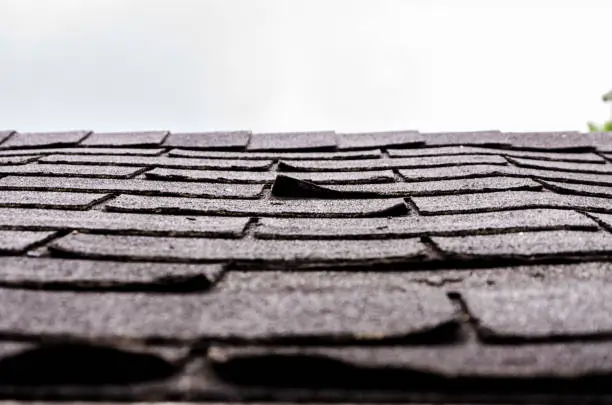
One of the easiest ways to spot roofing problems is through visual inspection. Regularly check for cracked, curling, or missing shingles, especially after heavy storms, as this visible damage can leave your home vulnerable to moisture and further deterioration. Also, consider that consistent loss of shingle granules (their outer protective coating) signals aging and declining roof effectiveness. Routine visual assessments and prompt repairs of these obvious trouble spots extend the roof’s life and safeguard your home.
Interior Signs of Water Damage
Problems on your roof may announce themselves inside your home long before you see them outdoors. Watch for water stains on ceilings or walls, unexplained peeling paint, or musty odors coming from attics or upper rooms. Leaks from compromised roofing materials or faulty flashing are often the cause of these warnings. Addressing these signs promptly can prevent further damage to insulation, framing, and even electrical systems, thereby averting large-scale repairs and health hazards such as mold growth.
Decreased Energy Efficiency
As your roof ages or sustains damage, it may lose its ability to insulate effectively, resulting in increased heating and cooling bills. Poor ventilation and failing insulation resulting from a compromised roof force HVAC systems to work harder, accelerating both energy use and overall wear on your equipment. Monitoring your energy bills for unusual increases, especially after severe weather, can help identify hidden roof issues that affect your home’s overall efficiency.
When your energy costs rise without a corresponding change in usage habits, it may be a sign that your roofing system is no longer protecting your home as effectively as it should.
Moss and Algae Growth
The growth of moss, algae, or lichen on your rooftop indicates persistent moisture retention. While these growths might seem like only a cosmetic annoyance, their presence can accelerate shingle decay, especially if they recur despite cleaning efforts. Large, repeated patches of moss or algae are a key visual cue that the roofing system is routinely holding water, potentially breaking down the material layers beneath the surface.
Sagging Roof
A sagging roof deck is a significant concern that requires immediate attention. This structural issue typically indicates extensive water damage, rot, or failing supports, and can quickly escalate into a serious safety hazard. Ignoring a drooping or wavy roofline could eventually lead to structural collapse. Homeowners who spot even minor sagging should arrange a professional roofing inspection immediately to determine whether a complete replacement is warranted and to prevent catastrophic structural damage.
Damaged Flashing
Roof flashing, the thin metal strips that waterproof seams around chimneys, skylights, and vents, performs a mission-critical function. Over time, these areas are prone to corrosion, rust, or shifting from weather events. Damaged, loose, or missing flashing can result in possible water intrusion and accelerate the process of wood rot and major leaks. Regularly checking these vulnerable areas and attending promptly to repairs can make a significant difference in your roof’s longevity.
Granules in Gutters
Granules—the hard, gritty layer found on the surface of most asphalt shingles—add essential UV and weather resistance. If you detect excessive shingle granules accumulating in your gutters or downspouts, especially on an older roof, it’s a sign that shingles are deteriorating past their prime. Once this protective barrier wears away, the underlying structure becomes far more vulnerable to damage from the sun, rain, wind, and ice.
Consulting Roofing Professionals
If any of these warning signs are present, consulting a licensed roofing contractor is essential. Only an expert can accurately assess the extent of the damage and determine whether a patch, minor repair, or a complete roof replacement is warranted. A professional assessment not only ensures the safety of your home but also guarantees that any work performed meets current industry standards, potentially saving you money and hassle over the long run.
Final Thoughts
Recognizing early signs of roof damage and acting promptly can save homeowners significant costs and prevent long-term structural problems. Routine inspections, timely repairs, and professional guidance ensure your roof remains protective, efficient, and durable for years to come.
Read more: Modern Apartment Living: Trends and Tips for Today’s Renters – Blessingscore.com
How Summer Basketball Camps Are Shaping Youth Athletes – Blessingscore.com
Supporting Adoptive Families on Their Journey – Blessingscore.com