
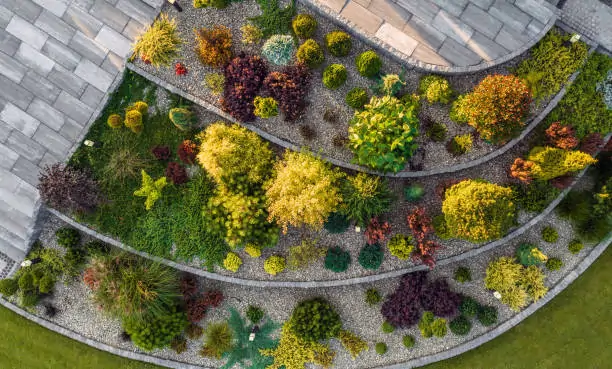
The way we approach landscaping is changing. Homeowners and professionals alike are recognizing that beautiful outdoor spaces don’t have to come at the expense of our environment. Sustainable landscaping practices are reshaping how we design, plant, and maintain our gardens, offering solutions that conserve resources while creating thriving green spaces.
This shift toward sustainability isn’t just a trend—it’s a necessary evolution in how we interact with our outdoor environments. From water conservation to native plant selection, sustainable landscaping addresses environmental challenges while delivering aesthetic and functional benefits. Whether you’re planning a complete landscape redesign or simply looking to make your current garden more eco-friendly, understanding these principles will help you create a space that’s both beautiful and responsible.
Native Plants Create Resilient Landscapes
Native plants form the foundation of sustainable landscaping. These species have adapted to local climate conditions over thousands of years, requiring significantly less water, fertilizer, and maintenance than non-native alternatives. When you choose plants that naturally thrive in your region, you’re working with nature rather than against it.
Beyond their practical advantages, native plants support local ecosystems by providing food and habitat for pollinators, birds, and beneficial insects. A garden store in Salt Lake City can guide you toward regionally appropriate species that will flourish in Utah’s unique climate. These plants have deep root systems that prevent soil erosion, reduce stormwater runoff, and improve soil health over time. They’re also more resistant to local pests and diseases, reducing or eliminating the need for chemical interventions.
Water-Smart Irrigation Saves Resources
Traditional irrigation systems often waste significant amounts of water through evaporation, overspray, and inefficient scheduling. Modern water-smart irrigation technologies address these issues through precision delivery methods. Drip irrigation systems deliver water directly to plant roots, reducing waste by up to 50% compared to conventional sprinklers.
Smart controllers take efficiency further by adjusting watering schedules based on weather conditions, soil moisture levels, and plant needs. These systems prevent overwatering during rainy periods and ensure adequate hydration during dry spells. Rainwater harvesting systems complement these technologies by capturing and storing precipitation for later use. Together, these approaches can reduce outdoor water consumption by 30-50% while maintaining healthy, vibrant landscapes.
Organic Soil Management Builds Long-Term Health
Healthy soil is the cornerstone of sustainable landscaping. Rather than relying on synthetic fertilizers that provide quick but short-lived results, organic soil management focuses on building soil structure and microbial life. Compost enriches soil with essential nutrients while improving its ability to retain moisture and support beneficial organisms.
Cover crops and mulching protect soil from erosion and temperature extremes while suppressing weeds naturally. These practices reduce the need for herbicides and create a more stable growing environment. Soil testing helps identify specific nutrient deficiencies, allowing for targeted amendments rather than blanket applications of fertilizers. This precision approach minimizes chemical runoff into waterways while ensuring plants receive exactly what they need to thrive.
Permeable Hardscaping Manages Stormwater Naturally
Traditional concrete and asphalt surfaces create impermeable barriers that force rainwater into storm drains, contributing to flooding and water pollution. Permeable hardscaping materials allow water to filter through surfaces and recharge groundwater supplies naturally. Options include permeable pavers, porous concrete, and decomposed granite pathways.
These materials reduce stormwater runoff while creating functional, attractive outdoor spaces. They help prevent erosion, filter pollutants from rainwater, and reduce the urban heat island effect. Rain gardens and bioswales work alongside permeable surfaces to capture and slowly release stormwater. These landscape features transform potential problems into assets, creating attractive plantings that manage water naturally while supporting biodiversity.
Sustainable landscaping represents a fundamental shift in how we design and maintain outdoor spaces. By embracing native plants, water-smart irrigation, organic soil management, and permeable hardscaping, you create landscapes that are both environmentally responsible and visually stunning. These practices reduce maintenance requirements, lower long-term costs, and contribute to healthier local ecosystems.
The future of landscaping isn’t about sacrificing beauty for sustainability—it’s about recognizing that the two are inherently connected. Start small by incorporating one or two sustainable practices into your current landscape, then build from there. Every step toward sustainability makes a difference, whether you’re managing a small urban garden or planning a large-scale landscape project.
Read more: Rise & Dine: Breakfast Ideas That Start Your Day Right – Blessingscore.com
Professional Success Starts with Better Self-Care – Blessingscore.com
Living Room Luxe: Top Furniture Picks for Style & Comfort – Blessingscore.com