
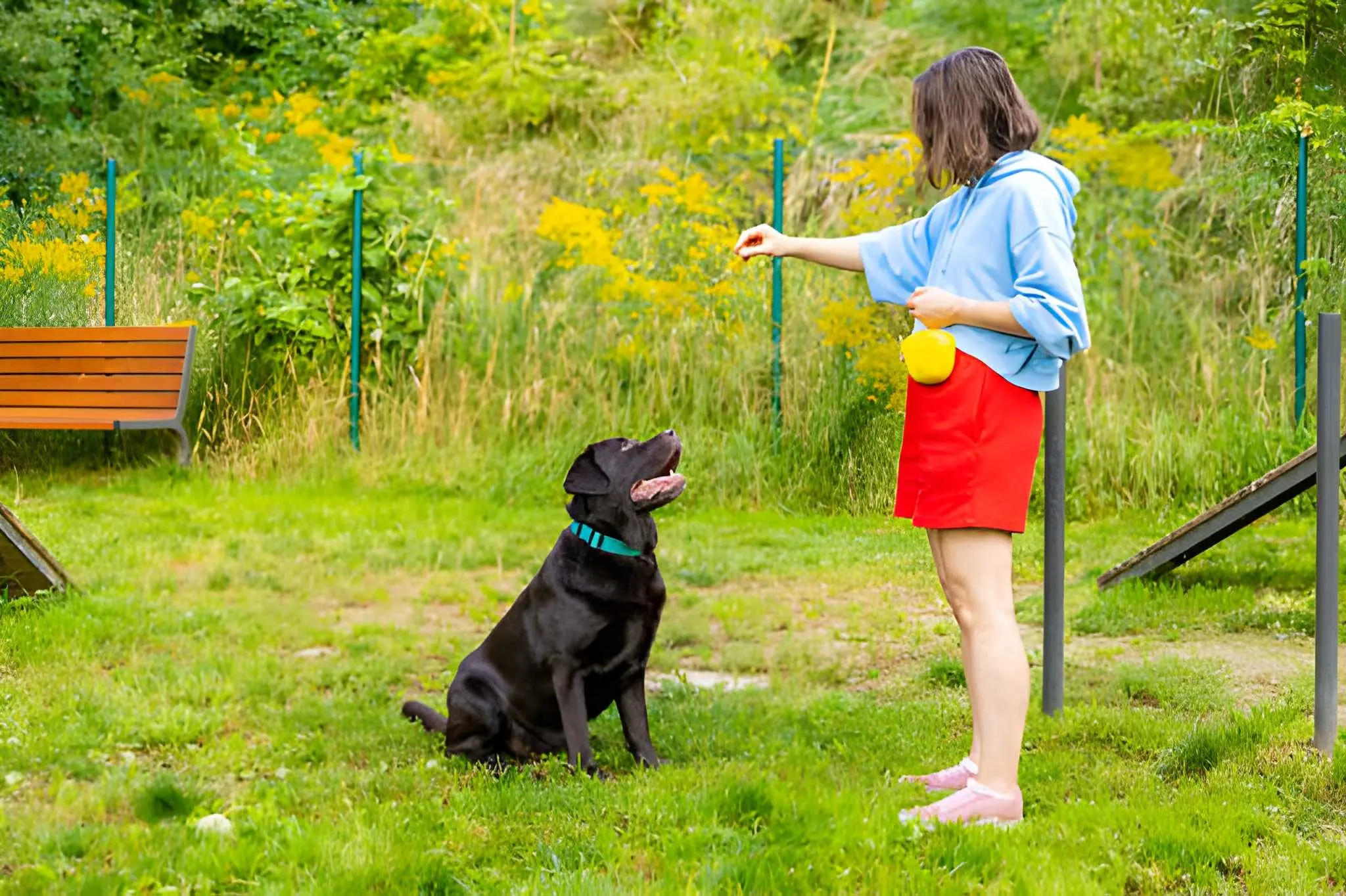
Timing plays a critical role in how dogs learn during training. While rewards like treats, toys, or praise are effective motivators, they only work if they are delivered at the right moment. Dogs associate actions with immediate outcomes, so even a few seconds of delay can create confusion and weaken the learning connection. Proper timing ensures your dog understands which behavior earned the reward, reinforcing the right actions instead of the wrong ones. When done correctly, this creates clear communication, builds trust, and speeds up progress in obedience, manners, and emotional bonding between the dog and owner.
Understanding How Dogs Process Rewards
Dogs live in the present moment, which makes timing one of the most powerful elements in training. When you reward your dog immediately after a desired behavior, they make an instant connection between the action and the positive outcome. This association is how learning happens. For example, if your dog sits and you delay giving the treat, they might think standing up earned the reward instead. The same principle applies to other cues, such as “stay” or “come.” Dogs need clear, immediate feedback to connect their behavior to your expectations. Even a few seconds of delay can confuse them, slowing their progress. Consistent and precise timing also helps prevent unwanted habits from forming. Once your dog begins to recognize that rewards follow correct actions, their confidence grows, and training becomes smoother and more enjoyable for both of you.
The Connection Between Timing and Communication
Reward timing is more than just a training technique—it’s a language that bridges communication between humans and dogs. Because dogs cannot interpret delayed praise or corrections, they rely on the immediate cause-and-effect relationship to understand what pleases their owner. When rewards are timed precisely, dogs learn faster because they clearly see which action triggered the positive response. This communication builds trust and helps reduce frustration during training sessions. Dogs trained with well-timed rewards tend to be more attentive and eager to learn since they associate commands with consistent results. For those looking to improve their timing and methods, searching for dog training near me can help connect owners with professionals who demonstrate how to deliver rewards effectively and build stronger communication skills. When timing is off, misunderstandings can occur, leading dogs to repeat unwanted behaviors. Proper timing, therefore, ensures that both dog and trainer stay in sync.
Positive Reinforcement and the Role of Instant Feedback
Positive reinforcement relies entirely on the immediacy of feedback. A reward must follow the behavior within one to two seconds to be effective. This immediate response tells the dog, “Yes, this is what I want you to do.” Any delay weakens the learning link. For example, if your dog lies down but receives the treat after standing up again, they might associate the reward with standing rather than lying down. Over time, this inconsistency leads to confusion. Hand signals, marker words like “good,” or clickers can help bridge timing gaps by marking the exact moment of the correct action. The quicker the acknowledgment, the stronger the learning response. Dogs trained through immediate reinforcement become more engaged and motivated to consistently perform desired behaviors. This process transforms training from mere obedience into communication built on clarity and trust, turning every session into an opportunity for cooperation and understanding.
Preventing Miscommunication and Bad Habits
Poor timing of rewards can unintentionally reinforce the wrong behaviors. If a dog jumps on guests and receives attention—even negative attention, like being pushed away—they may interpret it as a reward. Similarly, if a treat comes too late after a correct action, your dog might associate it with the next behavior they perform, even if it’s undesirable. Timing errors can quickly undo progress, leading to frustration for both dog and owner. To avoid this, it’s important to stay focused during training sessions and be ready with rewards at all times. Observing your dog’s body language and anticipating their actions can help you respond faster. Maintaining precise timing also strengthens consistency, allowing your dog to predict what earns them praise. As a result, they begin to exhibit desired behaviors naturally without waiting for cues. The more consistent your timing becomes, the faster your dog learns to trust the process and follow commands reliably.
Timing as a Building Block for Advanced Training
As dogs master basic commands, timing becomes even more crucial for teaching advanced behaviors. Complex skills like staying still for long durations, performing tricks, or working off-leash require reinforcement that helps dogs understand which parts of the behavior are correct. For instance, rewarding your dog too early during a “stay” command might encourage them to move before the command is released. Conversely, rewarding too late can confuse them about what behavior was desired. Precision ensures that your dog knows exactly when they succeeded. As training becomes more sophisticated, clear timing helps shape longer sequences of behavior by rewarding incremental progress. This gradual reinforcement method keeps dogs motivated and engaged while preventing burnout or discouragement. Consistency across all training levels not only builds skill but also strengthens the emotional bond between dog and owner, creating a sense of teamwork and trust that carries into daily life.
Building Patience and Focus Through Reward Control
Effective reward timing isn’t just about instant gratification—it also teaches dogs patience and focus. Controlled timing helps dogs learn that waiting or maintaining a behavior leads to rewards. For example, when teaching “stay,” delaying the reward slightly while your dog remains still reinforces self-control. The challenge is to balance immediacy with precision; the delay should emphasize the right behavior, not create confusion. Over time, your dog learns that calmness and consistency are valued traits. They begin to anticipate the reward at the right time rather than demanding it prematurely. This teaches discipline while maintaining positive motivation. For the owner, this level of timing develops observation and awareness, helping them read their dog’s cues more effectively. Reward timing, therefore, not only enhances obedience but also nurtures emotional intelligence in both dog and human, turning training sessions into moments of mutual understanding and respect.
Reward timing is the foundation of successful dog training because it shapes how dogs interpret actions and consequences. When rewards are delivered at the right moment, learning becomes faster, communication becomes clearer, and the bond between dog and owner grows stronger. Immediate reinforcement promotes trust and consistency, while mistimed rewards can lead to confusion and bad habits. With practice and patience, any owner can master timing to make training more enjoyable and effective. By understanding your dog’s natural way of learning, you transform simple commands into meaningful communication—strengthening cooperation, building confidence, and deepening the relationship that makes dog ownership truly rewarding.
Also Read-How LATAM’s Tech Talent Is Driving Digital Transformation Globally