
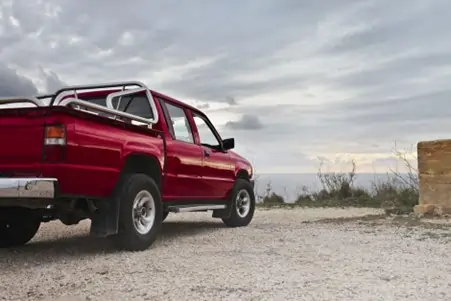
Are you thinking about buying a used pickup truck? It can be exciting and a bit scary. This guide will help you understand what to look for so you feel confident.
A pickup has many parts that make it work well. You want something strong enough for work and safe enough for family rides.
We’ll talk about engine, frame, mileage, history, and more. Each heading gives you clear tips.
You’ll know how to spot good from tricky when you start shopping. Ready to dig in and find a great pick? Let’s dive in.
Check the Engine Performance
The engine is the heart of a pickup truck, and its condition shows a lot. Start by listening for unusual sounds like knocking, ticking, or delays when you start it. A smooth start and a steady idle are good signs.
Ask if there are any leaks or frequent top-ups of oil or coolant. Also, inspect how the engine responds when you accelerate: good power and no hesitation mean better health.
Don’t ignore check-engine lights or warning messages on the dashboard. They might point to costly repairs. A well-maintained engine helps you enjoy long, trouble-free driving in your used pickup.
Inspect the Frame and Body for Damage
You must look closely at the truck’s frame and body to see if it was in a serious accident or used roughly. Walk around and check for uneven gaps in doors, mismatched paint, or signs of rust, especially on the undercarriage.
Rust can weaken important parts and cost you money later. Make sure the bed, panels, and tailgate align properly. Also, inspect the frame rails for bends or weld marks-those could mean major repairs.
A strong, solid body means better value and less risk. Picking a truck with a good frame condition means you can count on it for many years.
Evaluate the Mileage and Maintenance History
When buying a used pickup, the total miles driven and how well it was maintained matter a lot. Lower mileage often means less wear and tear, though high mileage isn’t always bad if the truck was well serviced.
Ask for service records-oil changes, major repairs, brake jobs-to see how well the previous owner cared for it. A truck that has a consistent maintenance history is more reliable. Also, compare miles to the age of the truck; if miles are too low for age, make sure the truck wasn’t sitting unused for a long time.
Check the Suspension, Tires, and Ride Quality
The ride quality tells you a lot about how the truck has been used and how comfortable it will be. Drive the truck over different road surfaces and listen for clunks, squeaks, or bounces.
Inspect the tires for even wear-uneven tread could mean alignment issues or suspension problems. Look under the truck to see if the suspension components, like shocks and springs, are worn or leaking. A truck that rides and handles well gives better comfort and control on everyday drives and work tasks.
Review the Transmission and Drivetrain
A used pickup’s transmission and drivetrain are critical for smooth shifting and power delivery. During a test drive, pay attention to how the transmission shifts: smooth, consistent shifts are good, while jolts or delays are warning signs.
If the truck has four-wheel drive or all-wheel drive, make sure those systems engage properly and quietly. Check for leaks under the truck and ask for any history of drivetrain repairs. A healthy drivetrain means the truck can tow, haul, and perform reliably.
Verify the Truck’s History and Ownership Records
Before buying, it’s smart to check the vehicle history report and ownership records to avoid hidden problems. Use tools or services that show accidents, flood damage, title issues, or odometer rollback.
Ask the seller for maintenance receipts and previous inspection results. A truck with a clear, clean history is a better buy.
If you spot frequent ownership changes or missing records, those could be red flags. A reliable history gives peace of mind that the truck wasn’t abused or hidden from serious damage. Knowing your truck’s story matters.
Consider Bed Size, Cab Style, and Payload Capacity
Think about how you will use the pickup truck as you check its bed size, cab style, and payload capacity. Do you haul tools or large items?Then a longer bed might suit you.
If you carry passengers often, a crew-cab can give extra space. Also check the payload rating-how much weight the truck can safely carry without excessive wear. Look inside for bed liners, ladder racks, or signs of heavy load use.
Matching these specs to your needs helps you get the right fit. For example, if you spot used Chevy trucks in good condition with the right bed size and cab style, that might be a strong find for your needs.
Examine the Interior Features and Comfort Options
When buying a used pickup, the interior comfort and features make the daily drive more pleasant and safe. Look at the seats, fabric or leather, and check for rips, stains, or heavy wear. Test all the gadgets: air-conditioning, radio, power windows, locks, and mirrors.
Make sure the dash lights function properly and that there are no warning lights. A clean, well-kept interior signals good care. Also look for storage pockets, cup holders, and cab space comfortable for your passengers.
Test Drive, Listen to Feel, and Negotiate Smartly
Never skip a test drive when buying a used pickup truck. Sit in the driver’s seat and feel the steering, brakes, and pedals.
Do the brakes stop smoothly without grinding or pulling to one side? Is the steering tight, or does it wander? On the test drive, listen for rattles under the hood, shuddering when accelerating, or weird smells.
After your drive, use all gathered info to negotiate price fairly-mention maintenance needs, repaired parts, or necessary service. Be ready to walk away if something feels off.
Learn What to Look for When Buying a Used Pickup Truck
Buying a used pickup truck can be an excellent move when you know what to check. You should focus on things like the engine health, frame condition, mileage, and history.
Don’t forget suspension, tires, transmission, and comfort inside. Think about how you will actually use the truck and match bed size, cab style, payload, and features. Take a proper test drive and negotiate smartly using what you learned.
Did you find this article helpful? If so, check out the rest of our site for more informative content.
How to Improve HVAC Efficiency in Older Homes? – Blessingscore.com
What to Expect During an HVAC System Installation? – Blessingscore.com