
Table of Contents
- Introduction
- Flexibility and Convenience
- Accessibility for Rural Learners
- Cost-Effectiveness
- Advanced Learning Technologies
- Balancing Work, Family, and Education
- Career Advancement Opportunities
Introduction
Online nursing programs have transformed the way students approach healthcare education, making it more accessible and adaptable to a wide range of lifestyles. These programs present opportunities for individuals with varying backgrounds and commitments, effectively broadening the scope of nursing education. Whether you are a working professional seeking career advancement or a rural learner with limited access to traditional campus-based programs, the flexibility offered by online nursing programs in Florida and beyond meets a growing demand in today’s busy world.
Online programs utilize advanced learning platforms, ensuring students balance academic goals and work and family obligations. The increased accessibility and cost savings are among the main reasons online nursing degrees are growing in popularity among healthcare professionals. This educational model serves as a gateway for many who, due to geography, scheduling constraints, or financial limitations, would otherwise be unable to pursue a degree in nursing.
The widespread adoption of online learning in nursing also mirrors technological advancements, delivering interactive, high-quality educational experiences. These innovations continue to shape the profession and help address the nursing shortage nationwide. This article dives deep into the benefits of online nursing education, providing insight into how it supports learners at all stages of their careers.
For those contemplating a career in nursing or continuing their education, exploring the real-world impacts and fundamental advantages of online programs can help inform the next step. Students and working nurses can make empowered choices for their future by understanding these benefits. According to Nurse Education, online nursing education bridges gaps in access, increases enrollment, and expands nursing workforces at both the state and federal levels.
Flexibility and Convenience
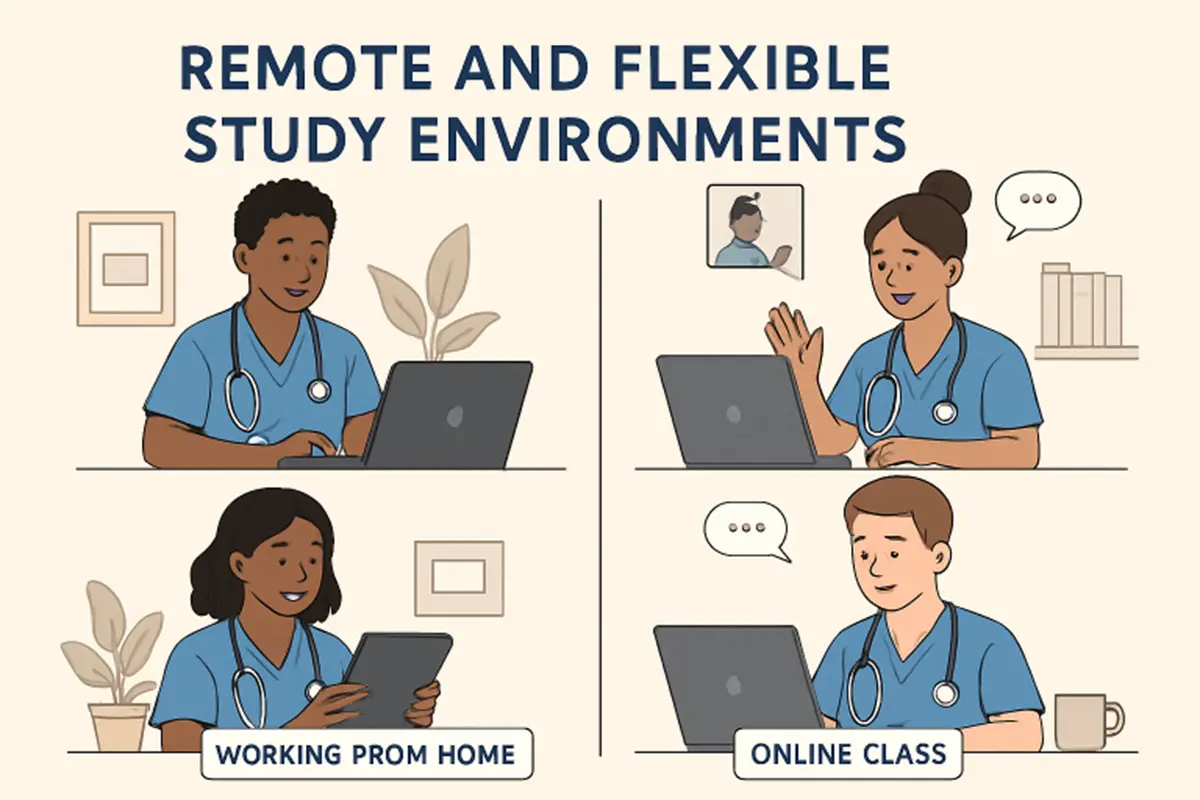
The hallmark advantage of online nursing programs is unparalleled flexibility. Learners can engage with course materials, participate in discussions, and submit assignments as their schedules allow. This flexibility for adults juggling shift work, familial responsibilities, or other commitments means they are not tied to rigid classroom hours. Self-paced learning options help avoid the pitfalls of traditional time constraints, paving the way for a more inclusive approach to education. Recent trends indicate that the flexibility of online instruction is a key factor for students transitioning to higher education amid other life demands.
Accessibility for Rural Learners
Geographic barriers have long prevented many prospective students from accessing quality nursing education. Online nursing programs address this issue head-on, allowing students in rural communities to participate in the same rigorous curriculum as their urban counterparts. Remote learners benefit from integrating local clinical placements with virtual didactic work, eliminating the need for relocation or disruptive commutes. As a result, diversity within the nursing workforce expands, while rural and underserved populations gain more direct access to skilled healthcare providers.
Cost-Effectiveness
Affordability is a driving factor for many students considering an online nursing program. Digital education drastically reduces costs associated with daily commuting, on-campus housing, meal plans, and course fees. Many programs also reduce or waive fees tied to campus amenities and offer tuition discounts for online learners. These savings, combined with broader access to scholarships, grants, and flexible payment plans, lower the threshold for educational participation while keeping overall debt manageable. According to The Roanoke Star, the value proposition of online education lies in lower costs with comparable, if not superior, learning outcomes.
Advanced Learning Technologies
Modern online nursing curricula harness cutting-edge technologies such as virtual reality simulations, interactive case studies, and multimedia presentations. These tools closely replicate real-world clinical environments and help students hone decision-making skills under simulated conditions. With sophisticated e-learning platforms, students receive immediate feedback, collaborate with peers, and gain hands-on practice with virtual patients. Integrating these technologies enhances learning outcomes and ensures that students are better prepared for the demands of today’s healthcare settings.
Balancing Work, Family, and Education
Another important benefit of online nursing programs is the ability to harmonize academic pursuits with personal and professional commitments. Learners can access lectures and materials from anywhere, creating opportunities for studying during breaks, evenings, or weekends without sacrificing crucial family or job obligations. This flexibility leads to greater student satisfaction and improved retention rates. When education can be molded around a learner’s life, it paves the way for academic success and holistic well-being.
Career Advancement Opportunities
Graduates of online nursing programs open the door to a range of career prospects. These include opportunities in hospitals, outpatient clinics, long-term care facilities, and home health agencies. Many programs offer accelerated or bridge pathways to advanced roles such as nurse practitioner, nurse educator, or nurse leader. The skills and credentials acquired through online study allow students to qualify for higher-paying roles, leadership positions, and future graduate-level education. Fast-track options are particularly valuable for those eager to reap career advancement’s financial and personal rewards as quickly as possible.
Online nursing education is vital in preparing the workforce for future healthcare challenges. Blending flexibility, technology, and affordability ensures access to quality education for an increasingly diverse student base. As a result, individual learners and the broader healthcare system benefit, strengthening the fabric of patient care across communities.
Also Read-How LATAM’s Tech Talent Is Driving Digital Transformation Globally