
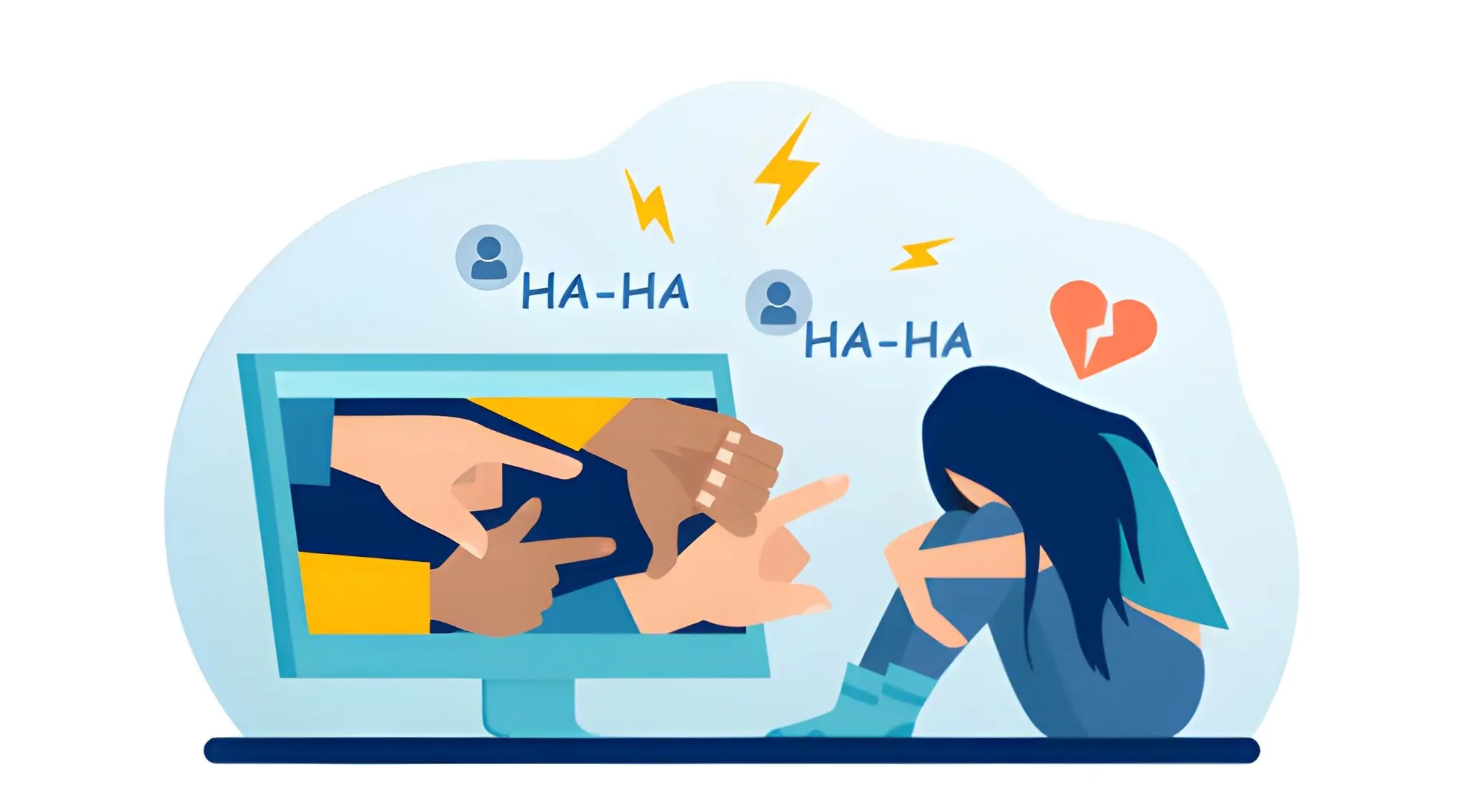
Recovery from abuse is a deeply personal journey that requires compassion, support, and understanding. In today’s digital world, access to help has expanded beyond traditional settings, making it easier for survivors to find assistance and begin healing wherever they are. Platforms offering Online Abuse Recovery Programs have become essential resources, bridging the gap between survivors and professional help. These programs provide a safe environment for individuals to process trauma, rebuild self-esteem, and reconnect with life in meaningful ways.
Introduction to Online Abuse Recovery Programs
Abuse, whether emotional, physical, or psychological, leaves lasting scars that affect a person’s confidence and relationships. While traditional therapy remains an important path to healing, the emergence of Online Abuse Recovery Programs has transformed how individuals can receive support. Through secure platforms, survivors can connect with licensed therapists, support groups, and educational resources from the comfort of their own homes.
These virtual recovery programs remove many of the barriers that once prevented individuals from seeking help, such as transportation challenges, stigma, and scheduling conflicts. They allow survivors to participate at their own pace, fostering consistency in recovery efforts. More importantly, these programs empower individuals to reclaim their voices, explore their emotions, and begin rebuilding a sense of safety within themselves.
Importance of Community Support in Recovery
Healing from abuse is not a journey meant to be walked alone. One of the most powerful aspects of Online Abuse Recovery Programs is the sense of community they create. Survivors who once felt isolated can now find others who understand their experiences and emotions. Shared stories, mutual encouragement, and collective growth become key components of the healing process.
Through moderated online group sessions, participants can discuss their struggles in a safe, judgment-free environment. Many survivors find it easier to open up online than in face-to-face settings, as digital spaces offer anonymity and comfort. This sense of belonging helps reduce feelings of shame and loneliness, two of the most significant barriers to recovery.
Community-based support also extends beyond group discussions. Many online programs include mentorship systems, allowing survivors further along in their healing journey to guide newcomers. This peer-to-peer encouragement reinforces resilience and helps create lasting recovery networks that transcend the boundaries of the virtual world.
Elements of Effective Online Abuse Recovery Programs
The best Online Abuse Recovery Programs integrate multiple therapeutic approaches and resources tailored to each survivor’s needs. These programs often combine trauma-informed therapy, cognitive-behavioral techniques, and mindfulness-based practices to promote holistic healing. The flexibility of online formats allows participants to access therapy sessions, workshops, and guided self-help exercises at their convenience.
Qualified professionals play a crucial role in facilitating these programs. Licensed therapists and counselors provide consistent support, ensuring that survivors have access to the guidance necessary for emotional processing and personal growth. In addition, many programs incorporate interactive elements such as journaling tools, reflection exercises, and video sessions, helping participants engage actively in their healing.
An effective online program is also built on trust and security. Confidentiality is prioritized through encrypted communication platforms, ensuring that survivors feel safe when sharing their experiences. Accessibility is another essential feature—offering multiple language options, flexible scheduling, and easy-to-use interfaces ensures that no one is left behind in their pursuit of healing.
Role of Technology in Facilitating Recovery
Technology has become an empowering tool in modern mental health care. With the rise of Online Abuse Recovery Programs, digital platforms have enabled survivors to find resources, connect with therapists, and access emergency support anytime and anywhere. Secure video calls, chat-based counseling, and digital resource libraries all make professional help more accessible.
Artificial intelligence tools are also being introduced to help tailor recovery experiences. For instance, some programs use AI-driven assessments to identify emotional patterns, allowing therapists to personalize treatment plans. Virtual reality environments are being tested as safe spaces where survivors can practice grounding techniques and emotional regulation.
Furthermore, mobile applications dedicated to recovery and mindfulness allow individuals to track their progress daily. These tools encourage ongoing self-awareness and emotional growth, ensuring that the healing process continues even outside of therapy sessions. Technology, when used thoughtfully, bridges the gap between need and accessibility, creating new opportunities for consistent recovery.
Building Resilience Through Online Programs
Resilience is at the core of recovery. Through guided sessions and supportive environments, Online Abuse Recovery Programs help survivors rebuild their inner strength and confidence. These programs focus not just on healing from the past but on equipping individuals with tools to handle future challenges.
Therapists working in these programs emphasize self-compassion, boundary-setting, and coping mechanisms. Survivors learn to recognize unhealthy patterns, rebuild self-worth, and nurture relationships based on mutual respect. The ability to revisit recorded sessions or access digital resources helps participants reinforce these lessons whenever they need them.
Self-guided exercises such as journaling, affirmation writing, and meditation help reinforce resilience daily. As individuals learn to identify triggers and manage emotional responses, they gradually regain control over their lives. Over time, survivors find themselves not just surviving but thriving with renewed purpose and confidence.
Stories of Transformation and Healing
Behind every recovery program are stories of courage and transformation. Survivors who once felt silenced often describe how connecting with Online Abuse Recovery Programs gave them hope and direction. Many share how these programs offered them understanding, compassion, and structured support that was previously out of reach.
One survivor shared that online sessions allowed her to express emotions she had long buried, leading to significant breakthroughs in therapy. Another mentioned that digital community groups helped her realize she wasn’t alone, encouraging her to rebuild connections with loved ones.
Each story illustrates the profound impact that access to digital recovery services can have. These programs provide not just tools for healing but a pathway toward reclaiming one’s sense of self. When survivors see progress in others, it strengthens their belief that recovery is possible for them, too.
Future of Online Abuse Recovery Programs
The future of Online Abuse Recovery Programs looks promising as technology and therapy continue to evolve together. As awareness grows, more survivors will turn to digital platforms for guidance, support, and empowerment. The ongoing integration of virtual and augmented reality, AI-driven tools, and advanced telehealth platforms will make recovery more immersive and accessible than ever.
At Treat Mental Health Tennessee, compassion and innovation come together to create a safe digital space for survivors ready to rebuild their lives. Through professional guidance and empowering online recovery programs, healing and hope are always within reach.
Also Read-The Connection Between Oral Health and Overall Wellness