
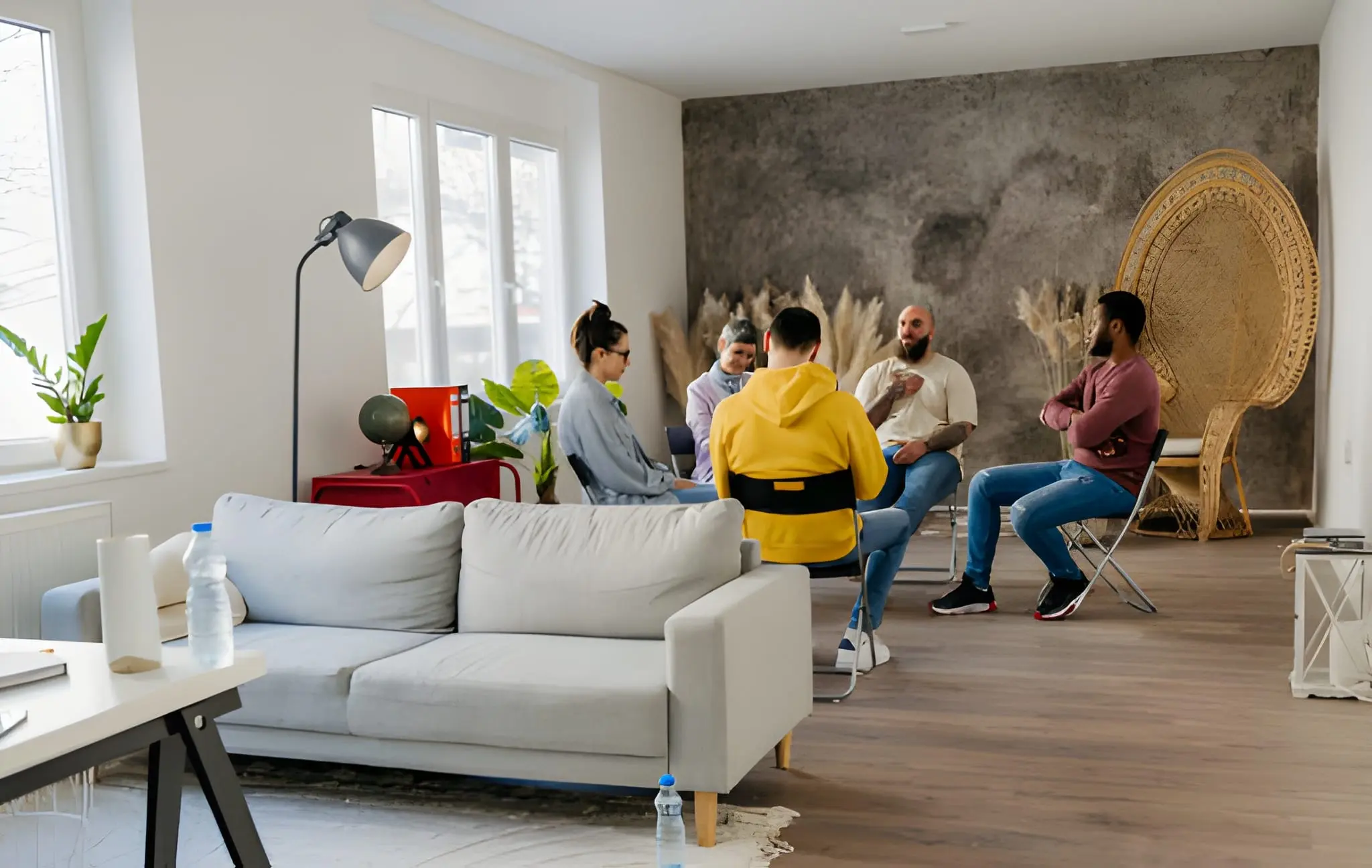
Recovery from mental health difficulties can be approached in a variety of customized ways and with differing components of care and treatment innovation. For those looking for immersion and a supportive mental environment, residential mental health treatments can be a strong foundational component for long-term recovery.
In contrast to outpatient therapy, residential services remove clients from external stressors and provide support and supervision 24/7. This strategy enables clients to concentrate exclusively on recovery, emotional balance, and self-discovery. Programs facilitating long-term recovery integrate evidence-based therapies with holistic and complementary therapy practices.
Overview of Residential Mental Health Treatments
Designed for those with more intense mental health issues, residential programs facilitate recovery with constant structured care. Therapeutic policy with personal wellness activities, therapy, and medical monitoring focuses on accommodating the mental wellness activities and therapy of individual clients.
Most often, residential mental health treatments provide a transition from hospitalization and make it possible for clients to disengage with mental health services in a controlled and structured way on the professional side. Emotional distress from the root is treated and discharged professionally and supervised by mental health care professionals.
In these programs, you can receive different types of therapy, including Cognitive Behavioral Therapy (CBT), Dialectical Behavioral Therapy (DBT), trauma-informed therapy, and mindfulness practices. Whether a person comes for holistic treatment or clinical therapy, every part of a person—mind, body, and spirit—can be given complete attention.
Benefits of Residential Mental Health Programs
There are many reasons, psychological and emotional, for choosing a residential treatment program. The emotional and psychological environments of these programs help to achieve growth, healing, and consistency.
One of the main reasons people choose residential mental health treatments is for the continuous care offered. Clients are provided with complete supervision every hour of the day, every day of the week. Clients can call for help, and a professional will respond in moments. The constant presence of trained staff predicts improvement and helps clients feel secure.
Removing the client from external triggers and distractions allows the client to focus on their recovery. Clients will feel safe and cared for, promote emotional stability and self-awareness, and learn coping strategies.
Group therapy is another important part of these programs. It offers a chance for clients to connect with each other on a different level, building a sense of empathy and community. This is important for mental health and emotional stability.
Innovative Approaches in Residential Mental Health Treatments
The residential mental health treatment model has changed from being just a set of therapies to a set of programs. These programs utilize novel therapeutic strategies. They incorporate all necessary techniques to alleviate distress symptoms, serve the core psychological, emotional, and behavioral causes, and consider the biological components of a distress issue.
Just a few of the new approaches include:
- Trauma-informed care seeks to understand how history informs current behaviors, while supporting healing from trauma.
- Neurofeedback therapy is the most advanced therapeutic method to retrain the brain to manage stress and alter brainwave activity.
- Holistic practices such as yoga, meditation, art therapy, and equine-assisted therapy introduce the concepts of relaxation, creativity, and mindfulness.
- Integrative medicine employs counseling and exercise prescription simultaneously as therapeutic techniques to aid mental and physical recovery.
The innovative approaches to treatment being utilized in residential programs aid mental health recovery more dynamically and effectively.
The Role of Therapy in Residential Settings
Therapy is what every residential program is centered around. It is a mechanism for a user to understand their cognitive processes, emotional triggers, and behaviors around a situation that impairs their emotional well-being.
Along with individual, group, and family therapy, clients in residential mental health treatments engage in other therapeutic activities designed for different therapy purposes. During individual therapy, clients receive guidance and support from a therapist and work through personal issues and goals.
With group therapy and family therapy, clients work on their relational and emotional interdependence and receive support from other people in and outside the group. Empathy, social skills, and communication are vital components learned from peers.
The aim of all these activities is to help clients achieve emotional stability and to help them develop the confidence and skills to maintain their progress when they leave the residential setting.
Importance of Personalized Treatment Plans
A person’s experience with mental health issues is unique, which is why residential mental health treatments emphasize the need for individualized care plans. Individualized care plans are based on comprehensive assessments and take into account a person’s mental health history, symptoms, and goals for recovery.
Customized treatment helps clients address the specific components of their recovery, whether they are struggling with trauma, depression, anxiety, or working with a dual diagnosis.
The creation of personalized plans also promotes the client’s sense of empowerment and commitment to their recovery. The level of collaboration greatly improves the efficiency of treatment as well as the sustainability of positive changes made during treatment.
Additionally, as progress is made, those plans shift. This is for the purpose of making certain that every phase of healing is backed up in a way that is effective and sustainable.
Challenges and Solutions in Residential Mental Health Care
Even for the clear benefits of residential treatment, there are still challenges arising. Some people simply don’t want to live away from their family. Others may struggle to adapt to the orderly routines and to interact with other people in a group.
Compassion and flexibility as a primary approach in effective residential mental health treatments solve these problems. Understanding the emotional impacts of these challenges, staff offer support in times of resistance and self-doubt.
Having regular therapy meetings along with mindfulness and peer support, clients learn to cope with homesickness, anxiety, and other doubts. Clients are encouraged to speak openly with their appointed professional to ease their minds and have their questions answered.
These challenges create opportunities for building resilience. Discomfort is managed because of the support present, and the individual is empowered with the coping mechanisms that provide independence.
Future Trends in Residential Mental Health Treatments
Residential mental health treatments have shifted to focus on innovation, inclusivity, and accessibility. Mental health awareness is increasing every day, and newly emerging treatment facilities strive to meet the changing needs.
Innovative practices in therapy, such as virtual reality therapy, continue to evolve. As clients engage in VR therapy, they can face their trauma and anxiety in a safe and controlled environment. As the integration of genetic testing continues to grow, therapy will be able to personalize medication and treatment plans that more closely fit a person’s genetic makeup.
The use of digital health tools, such as the use of mood-tracking apps and subsequent telehealth appointments, continues to provide treatment support and accountability.
The push towards a more inclusive and holistic model of care is apparent. Residential centers are designing and implementing practices that are sensitive to a person’s identity and their individual story, and creating inclusive, safe, and healing spaces.
The practices articulated here are critical. They show that the field of mental health is advancing. And for the first time in a long time, the field is extending care to the more compassionate treatment of mental health.
Conclusion
Solely medication is not the most effective treatment for mental health challenges. Innovative, connected, and structured approaches, such as residential mental health treatments, help regain balance, purpose, and strength.
For people looking for caring and effective mental health support, consider reaching out to Touchstone Recovery Center for innovative residential care.
Also Read-How Primary Care Doctors Support Mental Health and Whole-Body Wellness?