
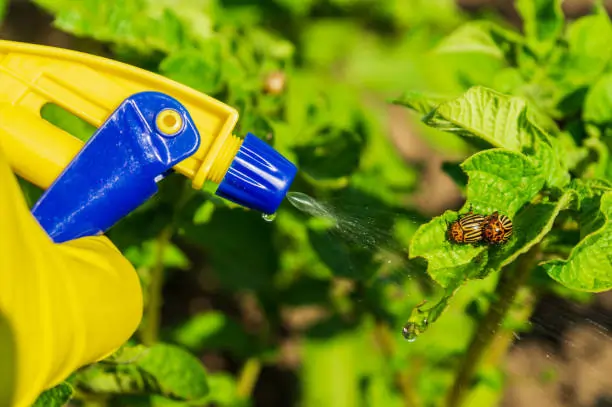
If you’ve ever walked out to your garden excited to see new growth, only to find chewed leaves, curling stems, or entire seedlings disappearing overnight, you’re definitely not alone. Every gardener—from the weekend hobbyist to the full-blown landscape enthusiast—has dealt with pests or plant diseases at some point. It’s simply part of the gardening journey. But here’s the good news: when you know what to look for and what tools to keep on hand, those issues become much less overwhelming.
Think of it the same way you might think of caring for your home. You keep a small toolbox for loose screws, squeaky hinges, or a misaligned door. A garden is no different—it needs its own collection of “fix-it” solutions so you can quickly address any problems that pop up. In this guide, we’ll explore some of the most reliable products and approaches that help give your plants the best chance to thrive.
Why Pest and Disease Control Matters More Than You Think
Healthy gardens don’t happen by accident. They’re the result of consistent care, good observation, and the ability to step in when things start to go wrong. Most pests and diseases spread quickly, often much faster than new gardeners expect. One small cluster of aphids can balloon into hundreds in just a week, and fungal problems like powdery mildew can knock out entire crops if you don’t intervene early.
This isn’t just a “plant issue”—it’s the same basic principle you see in industries like healthcare or agriculture. Early detection and early action always lead to better outcomes. Farmers know this firsthand. If one part of a crop shows signs of disease, it doesn’t take long before the rest becomes compromised without immediate treatment. In your backyard garden, the scale is smaller, but the principle stays the same: identify, act, and protect.
But here’s the reassuring part: you don’t need to be an expert botanist to maintain a healthy garden. You just need the right tools and a basic understanding of how they work.
Common Garden Problems—and the Tools That Actually Help
Different plants tend to attract different problems, but you’ll notice patterns when you garden long enough. Leaf-eating caterpillars, sap-sucking pests, fungal issues, and soil-borne diseases are among the most frequent troublemakers.
1. Insect Control Solutions
If you’ve noticed small bite marks on leaves or clusters of tiny bugs gathering under new growth, you’re likely dealing with insects. Products that target these issues often come in different forms:
- Sprays: These are easy to apply and ideal for quick coverage.
- Dusts and powders: Helpful when you want protection that lasts longer or when plants shouldn’t be saturated with liquid.
- Granules: Often used in soil to deal with pests that hide underground.
Sprays, in particular, are user-friendly for beginners. You point, spray, and you’re done. For larger veggie gardens or fruit-bearing trees, dusts offer better staying power, especially during rainy periods.
2. Fungal and Mildew Treatments
Fungal diseases like rust, black spot, blight, and powdery mildew tend to appear during humid or wet seasons. If you’ve ever seen a white, powdery coating on leaves or fruit, that’s mildew. And if you see dark, spreading spots, that’s usually a sign of a fungal infection.
Treatments that work best include:
- Fungicidal sprays
- Copper-based protectants
- Soil drenches
Much like how materials such as copper are used in industries for their antimicrobial properties, plant-safe copper treatments help prevent fungal spores from establishing themselves. It’s a simple, effective solution that gardeners worldwide rely on.
3. Soil Conditioners and Preventive Care
Not every garden issue comes from pests or airborne disease. Sometimes the root of the problem literally starts in the soil. Poor drainage, nutrient imbalance, or compacted beds can stress plants, making them more vulnerable.
Soil conditioners, composts, and organic matter amendments can dramatically improve plant immunity—just like humans benefit from good nutrition for stronger resistance against illness.
Even something as simple as mulching helps regulate moisture, keep roots cool, and prevent certain soil-based diseases from splashing onto leaves when you water.
Choosing the Right Products for Your Garden
One of the biggest mistakes beginners make is grabbing the first pest spray they see without checking whether it’s suitable for the problem they actually have. An insect spray won’t fix a fungal issue, and a fungicide won’t help if caterpillars are chewing through your leaves.
When choosing a product, keep these tips in mind:
- Identify the problem first.
Look closely at the leaves, stems, and soil. Are there insects? Spots? Mold-like growths? - Choose targeted solutions.
You don’t want to be treated for everything; you want to be treated for the right thing. - Rotate your treatments.
Just like overusing one type of antibiotic can lead to resistance, using the same garden product repeatedly can make pests or diseases harder to control over time. - Consider the weather.
Some treatments work better in dry conditions; others require water to activate. - Keep safety in mind.
Always read the label and wear simple protective gear if needed.
Being an observant gardener really does take you a long way. Once you develop the habit of scanning your plants for a few seconds each day, you’ll catch issues early—long before they become a headache.
The Essential Toolkit: Products Worth Keeping on Hand
Every gardener should build a small, reliable toolkit of items they can quickly reach for when something goes wrong. This doesn’t mean stocking every product on the market—you only need a handful of versatile, effective options.
Here’s what a well-rounded set usually includes:
- A general-purpose insect spray
- A fungal treatment spray or copper solution
- A soil wetting agent or conditioner
- A ready-to-use dust for persistent leaf-chewing pests
- Gloves and a small sprayer
- A soil moisture meter (optional but incredibly helpful)
Once you’ve used these enough, you’ll know exactly when to reach for each one. It becomes second nature, the same way you know which household cleaner to use for which mess.
Where to Find Reliable Options for Your Garden
As you gain more experience, you’ll learn which products complement your gardening style and which ones you reach for again and again. If you’re building your toolkit or updating your supplies, you can explore a variety of garden pest & disease products that help address common issues in home gardens. The key is to choose items that match the specific problems you’re facing rather than relying on generic, one-size-fits-all solutions.
Taking the time to read product descriptions and learning how each one works can save you a lot of stress—and a lot of plants—over time.
Final Thoughts
Gardening is one of those hobbies where the more you learn, the more you enjoy the process. Pests and diseases can be frustrating, yes, but they’re also a natural part of maintaining a living, breathing garden ecosystem. With the right tools, a little curiosity, and a bit of patience, you’ll quickly discover that almost every problem has a solution.
Every gardener eventually finds their own rhythm, and having a trusted set of products within reach makes the journey far smoother. Treat your plants well, pay attention to the small signs, and your garden will reward you with growth, beauty, and abundance.
If you need help choosing products, identifying plant issues, or planning a smarter care routine, feel free to ask—I’m happy to help you grow the healthiest garden possible.
Read more: How to Choose the Right Technician for Your Premium Appliance Repair – Blessingscore.com
Why Loose-Fit Yoga Pants Are the Ultimate Choice for Men’s Comfort & Movement – Blessingscore.com
The Surprising Benefits of Cold Plunge Therapy for Mind and Body – Blessingscore.com