
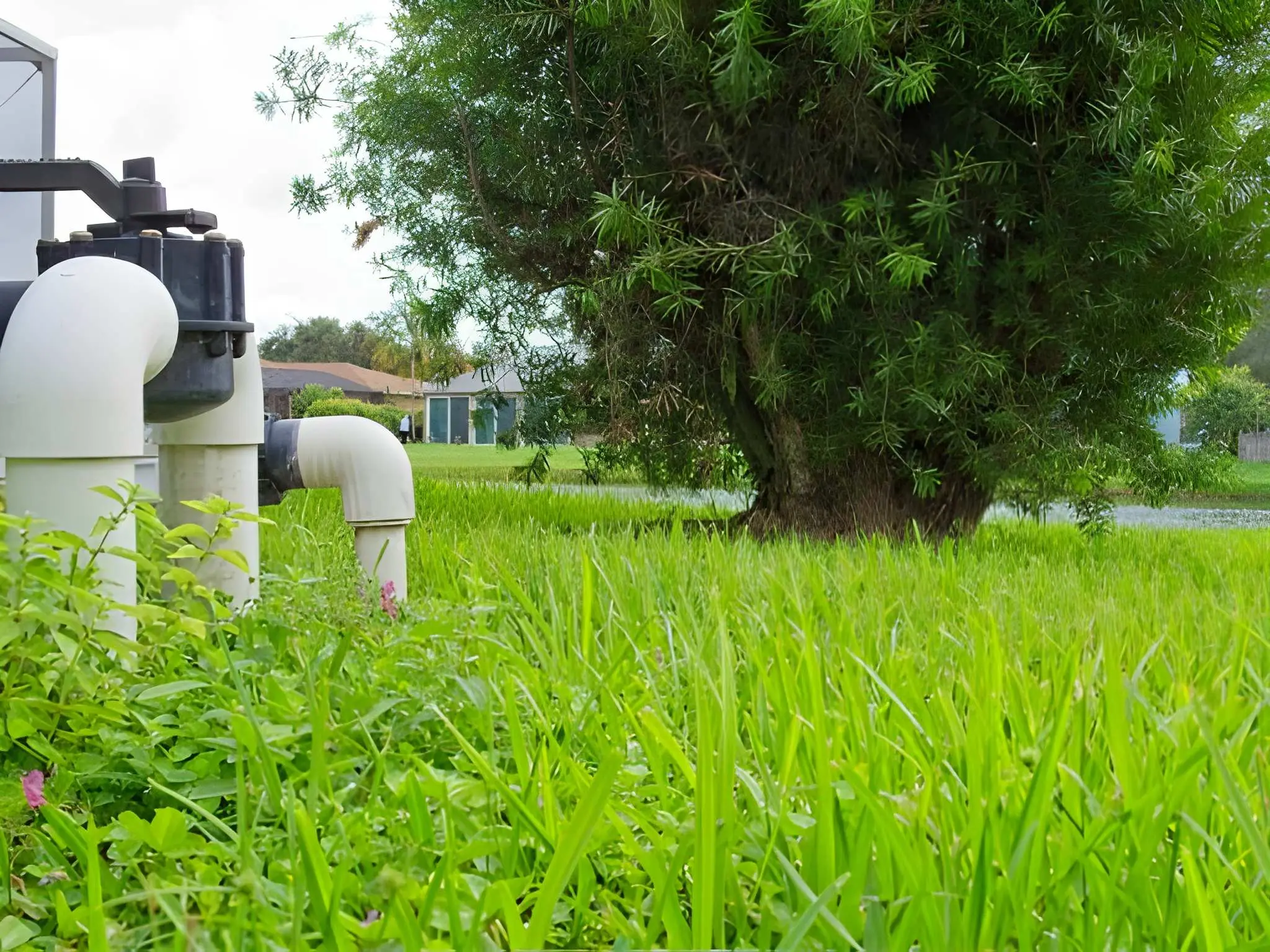
Smart water systems are transforming how Florida manages its most valuable resource. As the state faces rising populations and dry spells, the need for efficient water reuse has grown. These systems collect and recycle greywater, used water from showers, sinks, and laundry, for irrigation or toilet flushing, helping conserve thousands of gallons each year.
Understanding grey water discharge regulations in Florida is vital to ensure these systems meet safety and environmental standards. Following these rules allows homeowners and businesses to save money, stay compliant, and protect Florida’s water resources while promoting a more sustainable future.
Need for Smarter Water Solutions
The state’s growing population continues to place heavy demand on limited freshwater supplies. With long summers and recurring droughts, water conservation has become a top priority. Traditional plumbing systems let reusable water flow directly into sewers, wasting thousands of gallons every year.
Smart water systems address this issue by recycling greywater for non-drinking purposes. This method helps maintain green spaces, saves energy, and reduces household utility costs. In areas where rapid development challenges sustainability, these systems provide an effective balance between comfort and responsible water management.
How Smart Greywater Systems Work
A smart greywater system automatically collects water from household sources like showers and sinks, filters it, and sends it back for reuse. The process depends on several core parts:
- Collection tanks to store used water before treatment.
- Filtration units that remove dirt, soap, and debris.
- Pumps and sensors to manage flow and quality.
- Distribution systems that supply clean greywater for reuse.
In Florida, these systems are especially valuable because they adapt easily to both residential and commercial settings. Modern designs can even connect to smart home systems for automatic monitoring and control.
Steps to Follow for Legal Compliance
Greywater recycling in Florida must meet specific state codes. Anyone setting up a system should take time to understand and apply the grey water discharge regulations in Florida to avoid penalties or unsafe practices. Here’s a simple approach:
- Review local rules for installation, usage, and water treatment standards.
- Get proper permits from your city or county before construction.
- Work with licensed plumbers or water system specialists to ensure compliance.
- Maintain your system regularly to prevent leaks or contamination.
Benefits of Smart Water Recycling Systems
Smart greywater systems deliver multiple benefits that extend beyond cost savings. They support sustainable living, reduce wastewater discharge, and help communities manage limited water supplies more efficiently. For residents and businesses, this translates to both financial and environmental rewards.
Some key advantages include:
- Lower utility bills through reduced water usage.
- A smaller carbon footprint for homes and buildings.
- Increased property value due to eco-friendly features.
- Better resilience during droughts and dry spells.
Factors to Consider Before Installing a System
Before installation, it’s important to assess your property’s layout, water needs, and budget. Florida’s humidity and soil conditions can influence how greywater is stored and reused. Systems must be placed safely away from storm drains and potable water lines to prevent cross-contamination.
Consulting professionals ensures the design fits state standards and performs efficiently over time. Routine inspections also help maintain water quality and extend system lifespan. With careful planning, property owners can enjoy reliable performance while protecting the environment.
Sustainable water use is now essential for Florida’s future. Smart greywater systems provide a simple way to reuse water safely while meeting state guidelines. Understanding grey water discharge regulationshelps ensure every setup supports conservation efforts. From homes to commercial buildings, these systems turn daily water use into an opportunity for positive environmental impact. As more communities adopt responsible practices, smarter water management continues to shape a cleaner, greener future..
Also Read