
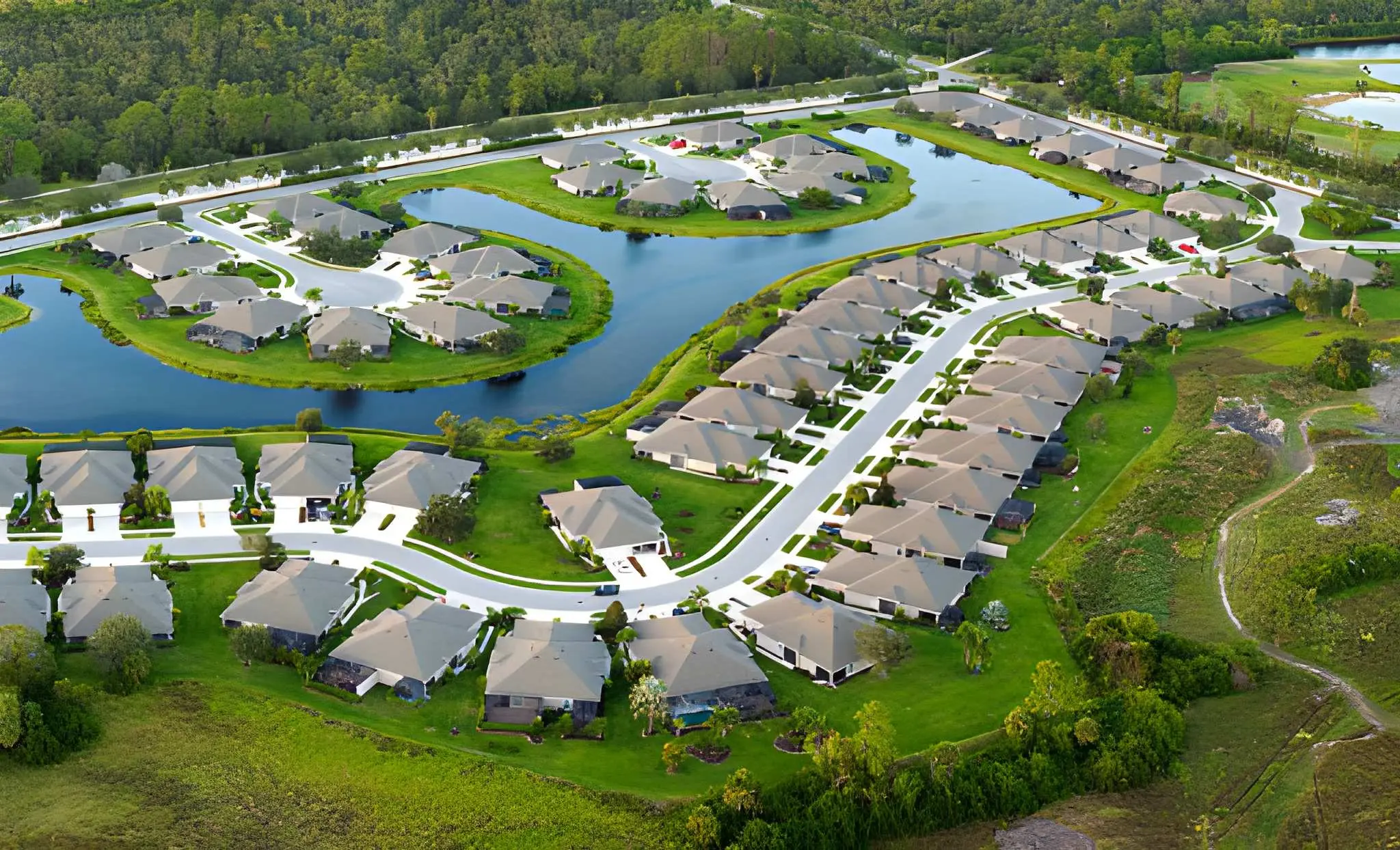
Good health depends on where people live. Modern master-planned communities aim to make wellness a normal part of everyday life. Their designs focus on movement, connection, and comfort for residents of all ages.
Communities like Preservation Creek show how thoughtful layouts can shape a healthier lifestyle. They provide access to nature, safe environments, and spaces that bring people together. The features below explain how these communities help residents maintain physical and mental balance.
1. Access to Nature and Open Spaces
Time in nature helps clear the mind and restore energy. Parks, gardens, and peaceful paths invite residents outdoors and encourage gentle activity. The fresh air and greenery ease stress and create a sense of calm.
These outdoor spaces become part of daily life. Residents walk, rest, or spend time with loved ones in quiet surroundings. Such contact with nature strengthens both emotional and physical health. It also fosters appreciation for the environment, teaching families the value of balance and simplicity.
2. Fitness and Recreation Options
Indoor Fitness Centers
Many master-planned communities include gyms with quality equipment and exercise rooms. These centers make it easy to stay active without long trips to town. Residents can manage their health with more consistency and convenience.
Outdoor Activity Areas
Tennis courts, walking trails, and swimming pools offer variety for every lifestyle. These areas bring people together and help them enjoy movement in the fresh air. They support a balanced routine that keeps the body strong.
3. Walkable Neighborhood Layout
A well-structured neighborhood encourages walking and cycling. Sidewalks and safe crossings allow residents to reach parks, shops, or friends without driving. The steady movement helps improve heart health and energy levels.
This design also builds a connection. Neighbors greet one another, share moments, and form lasting relationships. Regular interaction adds to the feeling of safety and belonging in the community.
4. Attention to Mental and Social Wellness
Organized Activities
Community events such as markets, workshops, and outdoor gatherings create joy and purpose. These shared experiences build friendships and lift the spirit. They remind residents that they are part of a supportive network.
Shared Relaxation Spaces
Lakesides, clubhouses, and shaded lawns offer calm places to slow down. People meet, talk, and unwind in these areas after busy days. These moments of rest contribute to lower stress and emotional balance.
5. Safe and Supportive Environments
Security is key to peace of mind. Well-lit paths, limited access points, and local patrols keep residents comfortable. Families spend more time outdoors and feel confident about their surroundings.
Communities like Preservation Creek make safety part of daily life. The sense of protection allows residents to enjoy evening walks and outdoor gatherings without concern. A secure setting promotes both freedom and relaxation.
6. Everyday Balance and Convenience
Life feels smoother when essential services are close to home. Schools, clinics, and small stores are placed within easy reach. This planning saves time and reduces stress from long commutes.
Families benefit from the extra time together. Parents find it easier to focus on wellness, and children grow up in calm, balanced surroundings. This environment encourages a rhythm that supports long-term well-being. With fewer daily hassles, residents can devote energy to what truly matters, say health, connection, and personal growth.
Healthy living depends on smart design and community support. Master-planned developments make this possible by combining fitness, nature, safety, and connection. Various developments highlight how intentional planning can improve every part of life.
These communities prove that wellness grows strongest where people feel secure, connected, and inspired to live well each day.
Also Read