
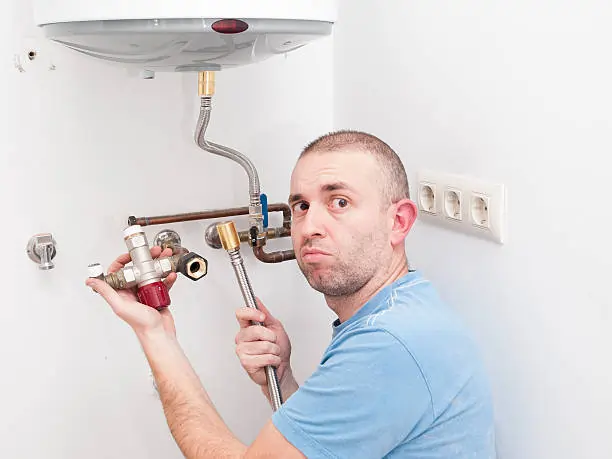
When your water heater stops working properly, it can be tempting to assume the worst and plan for a full replacement. However, in many cases, the issue may be minor and can be fixed through professional plumbing repairs. Replacing a water heater prematurely can be costly and unnecessary, especially when a repair could restore full functionality and extend its lifespan. We will explore why a repair might be all that’s needed, the signs to look out for, and how proper maintenance and inspection can save you time, money, and hassle.
Common Reasons Your Water Heater May Only Need Repairs
1. Sediment Buildup Causing Heating Inefficiency
Over time, minerals in the water—especially in areas with hard water—can accumulate at the bottom of your water heater tank. This sediment buildup acts as a barrier between the heating element and the water, forcing the heater to work harder to reach the desired temperature. The result is higher energy bills, slower heating, and sometimes unusual noises from the tank. Fortunately, sediment buildup can often be resolved with a professional flushing service rather than a costly replacement. Regular flushing removes debris and minerals, allowing the heating element to function efficiently again. If you’ve noticed popping or rumbling sounds from your water heater, that’s a strong indicator that sediment buildup may be the root cause. A plumbing company in Philadelphia can quickly identify this issue, perform a thorough cleaning, and restore your system’s efficiency without replacing the entire unit.
2. Faulty Heating Elements or Thermostats
Electric water heaters rely on heating elements and thermostats to maintain consistent water temperatures. When one of these components fails, you may experience water that’s too cold, too hot, or fluctuating in temperature. In many cases, this doesn’t mean your entire system is beyond repair—it simply means one part needs replacing. Heating elements and thermostats are inexpensive components that can be swapped out by a plumber in a short amount of time. Similarly, gas water heaters may have issues with their pilot light or thermocouple, both of which can be repaired without replacing the unit. Before deciding on a new water heater, it’s wise to have these smaller parts inspected. A professional can test electrical continuity, check thermostat calibration, and identify whether the problem lies in a minor malfunction rather than a full system breakdown.
3. Leaks That Don’t Always Mean Replacement
Discovering water around your heater doesn’t always spell disaster. While a tank leak usually indicates a serious problem that might require replacement, not all leaks originate from the tank itself. Many come from loose connections, faulty pressure relief valves, or worn-out gaskets—issues that are repairable. A plumber can inspect the fittings, tighten or reseal joints, and replace damaged components to stop leaks. In some cases, the problem might stem from excessive pressure or corrosion around fittings, which can be corrected without discarding the entire water heater. Timely detection is key; allowing a leak to persist could cause damage to nearby floors and walls. Having your water heater inspected regularly helps ensure minor leaks are caught early, saving you from both property damage and unnecessary replacement costs.
4. Rust and Corrosion: Sometimes Containable
Seeing rust-colored water or corrosion around your water heater connections can be alarming, but it doesn’t always mean the entire tank is compromised. Corrosion often starts on fittings, valves, or anode rods—the component designed to attract corrosive elements and protect the tank’s interior. Replacing a worn-out anode rod is a simple repair that can significantly extend your water heater’s lifespan. Similarly, replacing corroded fittings or addressing small patches of surface rust can prevent the issue from spreading. However, if the corrosion has reached the tank itself, it might eventually warrant replacement. Regular inspection and maintenance can help determine when a repair is still viable and prevent further deterioration that could otherwise shorten the unit’s life. Repairing minor corrosion issues early not only improves performance but also maintains water quality for household use.
5. Inconsistent Water Temperature and Pressure Issues
Fluctuating water temperatures or inconsistent pressure often point to problems outside the water heater itself. Mineral deposits, clogged pipes, or a malfunctioning pressure relief valve can affect the system’s performance. These problems can often be fixed through cleaning, adjustment, or valve replacement. For instance, if your water comes out too hot or cold intermittently, the thermostat may simply need recalibration. Likewise, if pressure drops when using multiple fixtures, your plumber might recommend flushing the lines to remove blockages. Ignoring these small performance inconsistencies can lead to premature wear on the heater and connected pipes. By addressing the root cause early through repair, you not only restore comfort but also ensure your plumbing system functions efficiently overall.
6. Pilot Light or Ignition Problems in Gas Heaters
Gas-powered water heaters depend on a functioning pilot light or ignition system to heat the water. If the pilot light keeps going out or the burner doesn’t ignite, it may indicate a dirty or faulty thermocouple, a problem with the gas control valve, or debris buildup. These problems are generally inexpensive to repair and can often be handled during a routine service call. Replacing an entire unit for an ignition issue would be unnecessary and costly. A plumber can clean the burner assembly, replace the thermocouple, or adjust the gas control settings to restore performance. Regular inspections and cleaning ensure your water heater ignites reliably, prevents gas flow problems, and maintains consistent heating performance.
Not every water heater issue means it’s time for a new unit. Many problems, including sediment buildup, faulty heating elements, small leaks, and ignition issues, can be effectively addressed through timely repairs. By choosing repairs when appropriate, you save money, reduce waste, and prolong your water heater’s lifespan. Before replacing your unit, always consult a qualified plumber to assess whether a simple repair can restore efficiency and keep your hot water flowing for years to come.
Read more: How Real-Time Surveillance Transforms Safety in Big Companies – Blessingscore.com
What’s Slowing Down Your Internet—and How to Fix It – Blessingscore.com
Top Garden Pest & Disease Products Every Home Gardener Should Know – Blessingscore.com