
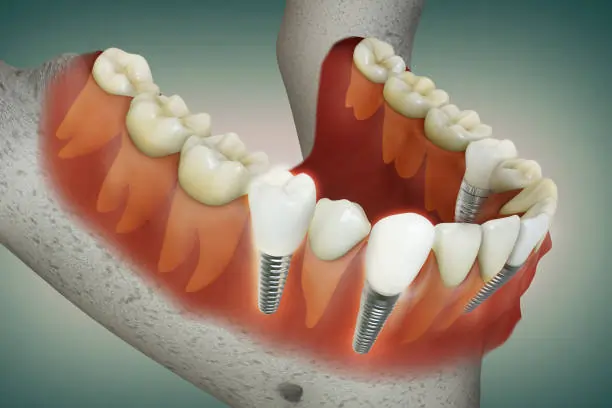
A strong and healthy jawbone serves as the foundation for dental implants, making it a vital factor in achieving lasting results. When the jawbone is strong, it provides the necessary support for the implant to integrate securely, ensuring stability and functionality. Conversely, if the bone is weak or deteriorated, implants may fail to fuse properly, resulting in complications or even implant loss. We will explore how jawbone health directly impacts dental implant success, identify the factors that influence bone strength, and discuss how patients can maintain or restore jawbone density to ensure reliable and long-term results.
Key Factors Affecting Jawbone Health and Dental Implant Success
1. The Importance of Bone Density and Volume
Bone density and volume are essential for the stability of dental implants. When an implant is placed, it relies on the jawbone to anchor securely, a process known as osseointegration. If the bone is thin, porous, or has experienced significant resorption due to tooth loss, there might not be enough structure to hold the implant firmly. At Simply Dental Chatswood, ensuring proper bone density is a critical step in achieving successful implant outcomes. Adequate bone density ensures the implant remains stable during chewing and speaking, preventing movement that can compromise the healing process.
Bone volume also affects how the implant is positioned, as insufficient bone may require grafting procedures before placement. Many patients who have been missing teeth for an extended period often experience bone loss, making it crucial to assess and restore bone density as early as possible. Maintaining bone health through good oral hygiene, balanced nutrition, and early replacement of missing teeth is crucial in preserving the jaw’s natural strength and structure.
2. Bone Resorption and Its Connection to Tooth Loss
After a tooth is lost, the surrounding bone begins to shrink—a process known as resorption. This happens because the jawbone relies on stimulation from tooth roots to maintain its density. Without that stimulation, the bone tissue gradually deteriorates, resulting in a sunken appearance in the face and making it difficult to place dental implants. The longer a person waits to replace missing teeth, the more bone loss occurs, which can limit implant options or require additional procedures.
Bone grafting and sinus lifts are common solutions that help rebuild bone mass, allowing for successful implant placement later. However, prevention remains the most effective approach. Replacing missing teeth promptly with implants can preserve bone density by restoring natural chewing pressure and stimulation. Understanding this biological process underscores the importance of timely intervention to prevent long-term changes in jaw structure that can affect implant success.
3. The Role of Bone Grafting in Restoring Jaw Strength
Bone grafting plays a critical role in preparing the jaw for implant placement when bone loss has already occurred. This procedure involves adding bone material—either from the patient’s own body or synthetic sources—to reinforce weakened areas of the bone. Over time, the grafted bone fuses with the existing structure, creating a more stable base for the implant. The process requires careful evaluation by a dental professional to determine the right technique and materials. Bone grafting is particularly beneficial for patients who have experienced years of bone resorption or trauma. Although it may extend the treatment timeline, it significantly increases the chances of implant success by ensuring that the jaw can withstand pressure and movement. Patients who undergo grafting often find that it not only improves implant stability but also enhances facial contours by restoring lost bone volume, contributing to both function and aesthetics.
4. Lifestyle and Health Factors That Influence Bone Quality
Several lifestyle and health factors influence the condition of the jawbone. Smoking, for instance, restricts blood flow and reduces oxygen supply to bone tissue, delaying healing after implant surgery. Similarly, conditions like osteoporosis can weaken bone density, making it harder for implants to integrate. A diet lacking in calcium, vitamin D, and other essential nutrients can also contribute to poor bone health. Regular exercise, especially weight-bearing activities, helps maintain bone strength throughout the body, including the jaw.
Patients who manage chronic illnesses, maintain balanced nutrition, and avoid habits that hinder healing have a greater likelihood of long-term implant success. Oral hygiene is equally vital, as infections in the gums can spread to the bone and compromise the implant site. Maintaining a holistic approach to health—covering diet, exercise, and oral care—ensures the jaw remains strong enough to support dental restorations effectively.
5. The Role of Advanced Technology in Assessing Jawbone Health
Modern dental technology has revolutionized how professionals assess and enhance jawbone health. Digital imaging techniques, such as 3D cone-beam CT scans, enable the precise visualization of bone density and structure prior to surgery. This technology helps determine whether grafting or sinus lifts are necessary, enabling a more personalized treatment plan. Advanced tools also assist in guiding implant placement, reducing the risk of errors, and ensuring proper alignment within the bone.
By utilizing digital mapping and computer-aided planning, dental professionals can minimize surgical complications and enhance the likelihood of long-term stability. These advancements have made implant procedures more predictable and comfortable, even for patients with bone deficiencies. For individuals considering dental implants, undergoing a thorough bone assessment with these tools ensures that every factor affecting jaw strength is identified and addressed before the procedure begins, maximizing the potential for durable and natural-looking results.
Jawbone health is the foundation of successful dental implants, influencing everything from stability and integration to long-term durability and success. Without sufficient bone density and strength, implants cannot achieve the secure fit required for natural function and comfort. Fortunately, advancements in bone grafting and diagnostic technology have made it possible for more patients to qualify for implants, even in cases of significant bone loss. Prioritizing jawbone health before and after implant placement is crucial for restoring confidence, comfort, and a natural-looking smile that lasts.
Read more: Why Your Water Heater May Need a Plumbing Repair — Not a Replacement – Blessingscore.com
How Real-Time Surveillance Transforms Safety in Big Companies – Blessingscore.com
What’s Slowing Down Your Internet—and How to Fix It – Blessingscore.com