
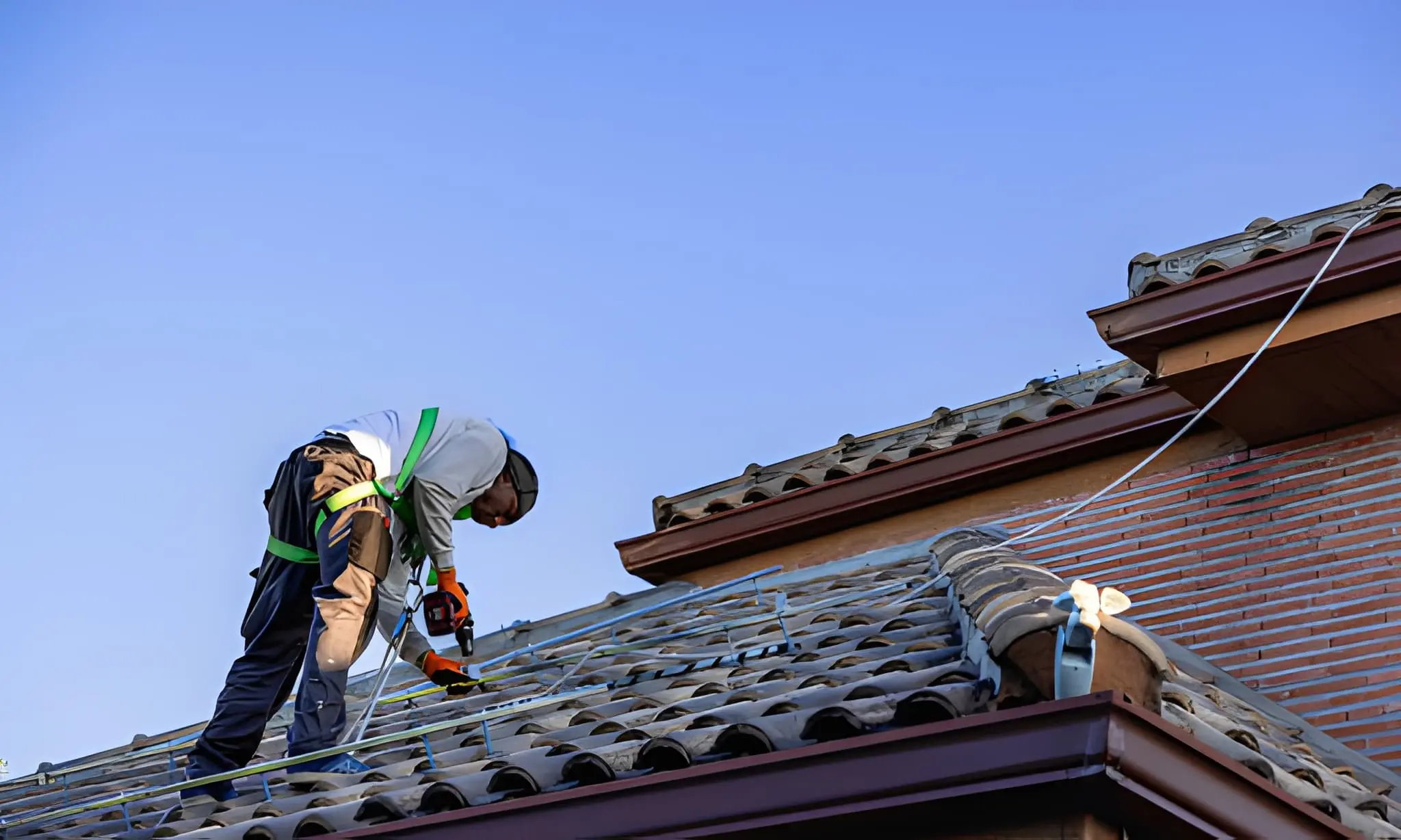
Your roof is constantly exposed to wind, rain, sun, and temperature changes, making it one of the most vulnerable parts of your home. Over time, this exposure leads to wear and tear, and even the strongest roofing materials can develop problems. Fortunately, professional roofers are trained to diagnose and repair these issues before they turn into costly damage.
Understanding how roofers fix the most common types of roof damage helps homeowners feel more confident, prepared, and proactive. Here’s a closer look at the repair methods roofing companies use to restore your roof’s strength and protect your home.
Repairing Missing or Damaged Shingles
One of the most frequent roofing issues homeowners face is missing, cracked, or curled shingles. Harsh storms, heavy winds, and UV exposure can weaken shingles over time, causing them to loosen or break.
How roofers fix it:
The process begins with a detailed inspection to determine the cause and extent of the damage. A roofer then carefully removes the damaged shingles and replaces them with new ones that match the color and type of the existing roof. The edges are properly sealed to ensure that water cannot seep underneath. If the problem affects a large area, roofers may recommend a partial or full re-roof.
This type of repair helps maintain the integrity of the roof and prevents leaks from forming.
Fixing Roof Leaks and Water Intrusion
Roof leaks are among the most urgent problems homeowners face. Even a small leak can cause mold growth, wood rot, and structural deterioration if left untreated.
How roofers fix it:
Roofers first trace the source of the leak, which often isn’t located directly above the visible moisture inside the home. They inspect shingles, flashing, valleys, vents, chimneys, and roof decking to find the exact entry point. Once located, roofers replace damaged materials and apply high-quality waterproof underlayment to create a durable moisture barrier. They also seal the repair with roofing cement or protective flashing to prevent future leaks.
This method ensures long-lasting protection and helps stop recurring water problems.
Replacing Damaged Flashing Around Roof Penetrations
Flashing is the thin metal that seals vulnerable areas like chimneys, skylights, valleys, and roof edges. When flashing becomes rusted, loose, or cracked, it often leads to leaks and wood damage.
How roofers fix it:
The roofer removes the old, damaged flashing and installs new metal flashing—typically aluminum, steel, or copper, designed to fit securely around the roof penetration. They then seal the flashing with waterproof caulk or specialized roofing adhesive for added protection. Proper flashing installation is meticulous work, and a skilled roofer ensures every joint and corner is tightly sealed.
Effective flashing repair is essential for maintaining a watertight roofing system.
Repairing Structural Damage and Sagging Roof Areas
Sagging roofs are a serious issue often caused by water damage, aging materials, or improper installation. This type of damage requires prompt attention to avoid collapse or extensive structural repairs.
How roofers fix it:
The roofer begins by assessing the underlying structure, including rafters, trusses, and decking. If the wood has rotted or weakened, the damaged sections are replaced with new, reinforced materials. Roofers also repair the decking and ensure the roof restores its original shape and strength. Once the structure is secure, they reinstall or replace shingles, underlayment, and flashing as needed.
Structural repairs are complex, but professional roofers use precise techniques to restore safety and stability.
Removing and Treating Moss, Algae, and Mold
Moss and algae not only look unsightly, but they can also weaken shingles, trap moisture, and shorten your roof’s lifespan. Mold growth can indicate deeper moisture problems, making early intervention essential.
How roofers fix it:
Roofers remove moss and algae using gentle, manufacturer-approved cleaning solutions rather than harsh pressure washing, which can damage shingles. They also install zinc or copper strips along the ridge line to help prevent future growth, since rainwater activates the metals’ natural algae-resistant properties. If mold is present, roofers inspect for leaks or ventilation issues that may be contributing to moisture buildup.
This approach keeps your roof clean and helps protect its longevity.
Conclusion
Professional roofers are trained to identify, diagnose, and repair all types of roof damage—large or small. Their experience ensures repairs are done correctly, safely, and with long-term durability in mind. By addressing problems early and relying on skilled roofing professionals, homeowners can protect their investment, extend the life of their roof, and maintain a safe, secure home for years to come.
Also Read-How to Prepare Your Home to Sell Quickly