
Table of Contents
- Economic Volatility
- Geopolitical Instability
- Technological Advancements
- Climate Change
- Regulatory Changes
- Supply Chain Disruptions
- Strategies for Effective Risk Management
- Conclusion
In today’s dynamic and unpredictable economy, business leaders face a broad spectrum of risks that can significantly influence day-to-day operations, financial health, and long-term stability. As inflation concerns, global conflicts, and rapid technological changes dominate headlines, it has become increasingly important for organizations to prepare for disruptions and act proactively to secure their futures. Working alongside business law attorneys can help companies anticipate and navigate regulatory pitfalls with greater confidence.
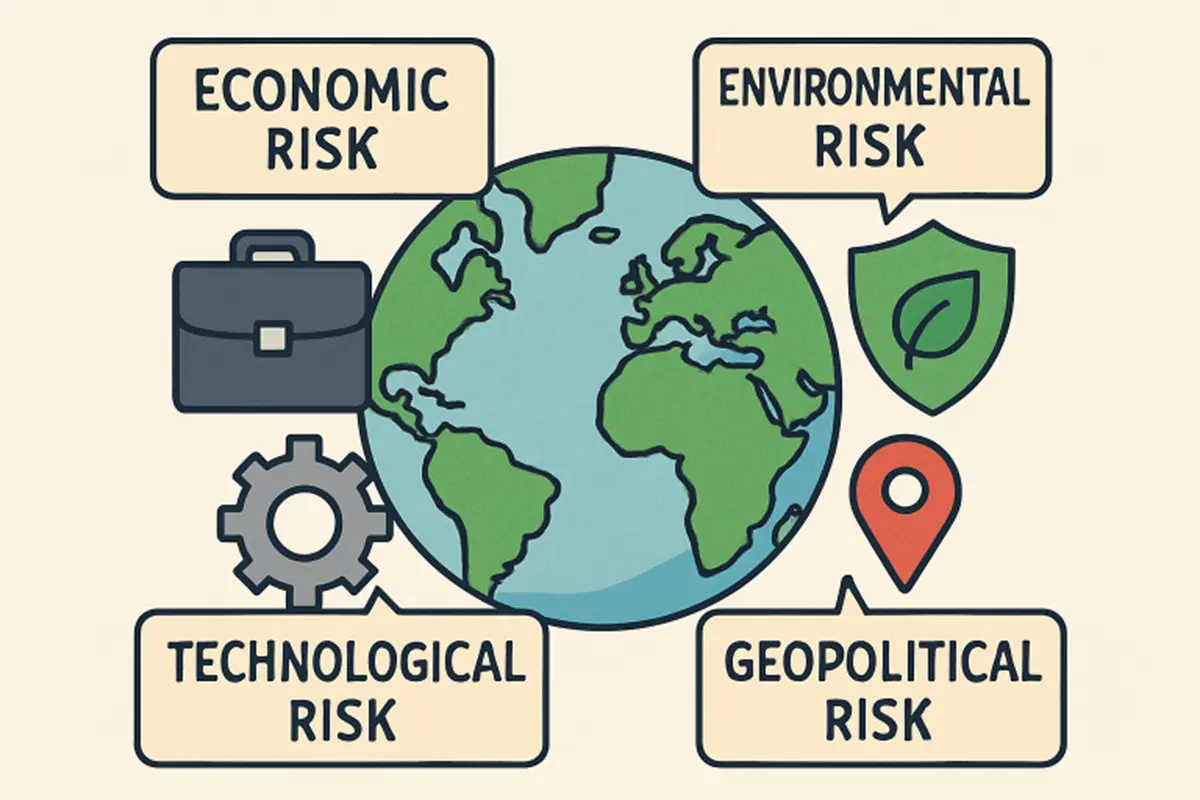
From shifting regulatory requirements to environmental hazards and technological threats, the modern risk landscape is more complex than ever before. Sustainable growth is only possible when businesses take a holistic view of potential vulnerabilities, establishing strategies for resilience, compliance, and innovation at every level.
Economic Volatility
The global economy is subject to frequent shifts that can trigger inflation spikes, fears of recession, and changes in consumer spending—all of which businesses must navigate strategically. According to a joint survey by Protiviti and North Carolina State University, chief risk officers rank persistent inflation and economic uncertainty among their leading concerns, outpacing even talent and technology issues. High inflation not only raises operational expenses but can also dampen demand and put pressure on profit margins. Vigilant cash flow management and flexible pricing strategies are increasingly essential to weather such volatility.
Business leaders should routinely reassess financial forecasts and maintain close relationships with financial advisors and lenders to anticipate capital needs as market conditions evolve. Being able to pivot quickly in response to economic indicators can mean the difference between resilience and vulnerability.
Geopolitical Instability
Conflicts, changing trade alliances, and government sanctions create uncertainty across borders, often upending long-established supply routes and raising barriers to investment. The Gallagher Global Political Risk report notes that evolving economic and political shifts are driving unpredictability in global markets, forcing businesses to reassess where and how they operate. Emerging markets, once hotbeds of growth, may suddenly pose outsized risks due to political instability.
Companies should develop structured frameworks for monitoring global developments and rapidly assessing risk scenarios. Diversifying suppliers, maintaining compliance with international regulations, and having contingency plans for exports and imports can help mitigate exposure to sudden geopolitical disruptions.
Technological Advancements
As digital transformation accelerates, the introduction of automation, artificial intelligence, and cloud computing offers critical efficiency advantages, but also presents new security and operational risks. The Boston Consulting Group’s risk landscape analysis highlights that with every technological leap, complexities and vulnerabilities multiply. From ransomware attacks on business infrastructure to unanticipated software malfunctions, the digital environment demands ongoing vigilance.
Investing in robust cybersecurity measures, comprehensive employee training, and regular technology audits is non-negotiable. Businesses should also explore partnerships with IT consultants to stay on the leading edge of both innovation and defense.
Climate Change
Extreme weather, wildfires, and environmental regulations are now inextricably linked to business strategy as climate change reshapes the risk profile for almost every organization. Reuters reports that climate adaptation has evolved from an optional investment to a business-critical imperative. The cost of inaction—property damage, regulatory fines, supply disruptions—can eclipse the initial outlay for climate resilience infrastructure.
Integrating sustainability initiatives, re-evaluating physical locations, and insuring against natural disasters can mitigate reputational and financial losses. Long-term planning should prioritize reducing carbon footprints and participating in industry-specific dialogue on climate risk.
Regulatory Changes
New frameworks governing consumer data protection, workplace safety, and environmental impact are emerging frequently, and compliance is no longer just a matter of due diligence, but of survival. Businesses not only face steep penalties for missteps but also risk damage to their customer trust and brand reputation. As the regulatory landscape evolves, the support of legal professionals well-versed in business and compliance issues is increasingly indispensable for most organizations.
A proactive approach to compliance means subscribing to timely legislative updates and partnering with trade or industry groups for guidance.
Supply Chain Disruptions
The pandemic, natural disasters, and international conflicts have shown how supply chains—once optimized for minimal cost—are now vulnerable in ways that threaten business continuity worldwide. Companies with limited suppliers or inflexible logistics networks are often the most severely impacted by transportation slowdowns or component shortages. According to a Risk & Insurance report, adaptive supply chain strategies are critical for overcoming persistent uncertainty and disruption.
Creating resilient networks means diversifying sources for critical materials, establishing backup suppliers, and utilizing technology for real-time visibility into supply chain status. Contingency planning and frequent scenario testing enable businesses to respond rapidly to unexpected events.
Strategies for Effective Risk Management
Conducting regular and thorough risk assessments is crucial for organizations to identify vulnerabilities before they develop into significant crises, encompassing all functional areas such as operations, finance, human resources, and IT. Additionally, having well-documented and tested contingency and crisis plans enables swift and organized responses to unexpected interruptions, allowing staff to maintain composure and clarity during high-pressure situations.
Investment in technology and infrastructure is paramount, as allocating resources towards digital infrastructure, automation, and security is not only a catalyst for innovation but is also essential for ensuring business continuity. Furthermore, organizations must stay compliant and informed by dedicating resources to monitor new legislation, industry standards, and reporting requirements; lapses in these areas can lead to lost business opportunities or severe penalties for non-compliance.
Lastly, fostering a culture of adaptability within the workplace is vital. Encouraging employees to examine existing processes, propose improvements, and adapt to change promotes continuous learning, ensuring the team remains prepared for future challenges.
Conclusion
Successfully managing business risk in an unstable economic environment hinges on foresight, adaptability, and effective partnerships. When companies understand their unique vulnerabilities, work proactively with experts, and champion a culture of preparedness, they position themselves not only to survive but also to thrive.
Also Read-How LATAM’s Tech Talent Is Driving Digital Transformation Globally