
You wake up feeling tired even after a full night of sleep. You rely on caffeine to get through the morning and experience a slump in the afternoon. By evening, you feel wired but exhausted. If this cycle sounds familiar, your adrenal glands might be struggling to keep up with the demands placed on them.
Adrenal fatigue is a term used to describe a collection of symptoms that occur when the adrenal glands function below the necessary level. While not always recognized in conventional medicine, many practitioners acknowledge that prolonged stress can deplete the body, leading to burnout. Recovery is possible, but it requires a deliberate shift in how you treat your body.
Understand the Root of the Exhaustion
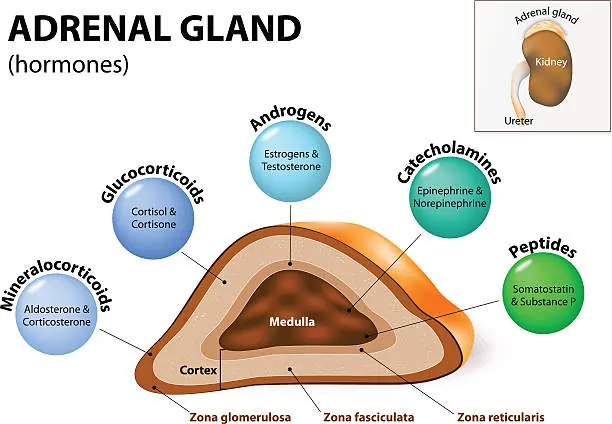
The adrenal glands sit on top of your kidneys and produce hormones like cortisol, which help regulate your metabolism, immune system, and stress response. When you are under constant pressure, these glands can become overworked. Over time, they may struggle to produce enough cortisol when they need it or produce too much at the wrong times.
Recovery begins with acknowledging that your current pace is unsustainable. This is not about being lazy. It is about giving your body the permission it needs to heal. The path back to energy involves addressing diet, sleep, and lifestyle habits that contribute to the drain.
Fueling Your Body for Repair
Diet plays a massive role in adrenal health. What you eat can either stress your body further or provide the building blocks for recovery.
Stabilize Blood Sugar
Erratic blood sugar levels put immense strain on your adrenals. When your blood sugar crashes, your adrenals must release cortisol to bring it back up. To prevent this rollercoaster, focus on eating regular meals. skipping breakfast or fasting for long periods might not be the best approach during recovery. Aim to eat within an hour of waking up to signal to your body that it is not in starvation mode.
Include a mix of high-quality protein, healthy fats, and complex carbohydrates at every meal. This combination slows down the absorption of sugar into the bloodstream, providing a steady stream of energy rather than a spike and crash.
Nutrients That Support Adrenals
Certain nutrients are vital for adrenal function. Vitamin C is stored in high concentrations in the adrenal glands and is used up rapidly during stress. Incorporating foods like bell peppers, citrus fruits, and strawberries can help replenish these stores. B vitamins, particularly B5 and B6, are also crucial for energy production and hormone balance. Magnesium is another mineral that gets depleted by stress and is essential for relaxation and sleep.
Prioritizing Rest and Sleep
Sleep is the most critical component of adrenal recovery. It is during deep sleep that your body repairs tissues and rebalances hormones.
Establishing a Rhythm
Try to go to bed and wake up at the same time every day, even on weekends. Many people with adrenal issues get a “second wind” late at night, around 11 PM. To avoid this, aim to be in bed before that surge of energy hits, ideally by 10 PM.
Create a sleep environment that promotes relaxation. Keep the room cool and dark. Avoid screens for at least an hour before bed, as the blue light can suppress melatonin production, making it harder to fall asleep.
Managing Stress and Lifestyle
You cannot supplement your way out of a high-stress lifestyle. Changing how you interact with stress is non-negotiable.
Gentle Movement
High-intensity exercise can actually be counterproductive when you are recovering from adrenal fatigue. Intense cardio spikes cortisol, which is exactly what you are trying to regulate. Instead, focus on restorative activities. Walking in nature, gentle yoga, and stretching are excellent ways to move your body without depleting your energy reserves. Listen to your body. If you feel exhausted after a workout, it was too intense.
Emotional Well-Being
Identifying the sources of stress in your life is a key step. While you cannot eliminate all stress, you can control your reaction to it. Practices like deep breathing, meditation, or simply spending time in silence can lower cortisol levels. Setting boundaries is also essential. Learning to say no to additional commitments protects your energy and allows you to focus on healing.
Patience is Key
Healing from adrenal fatigue does not happen overnight. It took time to wear your body down, and it will take time to build it back up. You might have good days and bad days. That is normal. Consistency is more important than perfection.
If you find that lifestyle changes alone are not bringing the relief you need, seeking professional guidance can be beneficial. A healthcare provider can offer targeted advice and testing to see if you need specific adrenal fatigue help to support your journey. By listening to your body and making conscious choices to prioritize your well-being, you can reclaim your vitality and build resilience for the future.
Read more: Pro Tips: Prepare Your House for a Smooth Sale – Blessingscore.com
King Seiko: Understated Luxury That Speaks for Itself – Blessingscore.com
Quality Flooring Solutions for Stylish, Durable Spaces – Blessingscore.com