
Key Takeaways
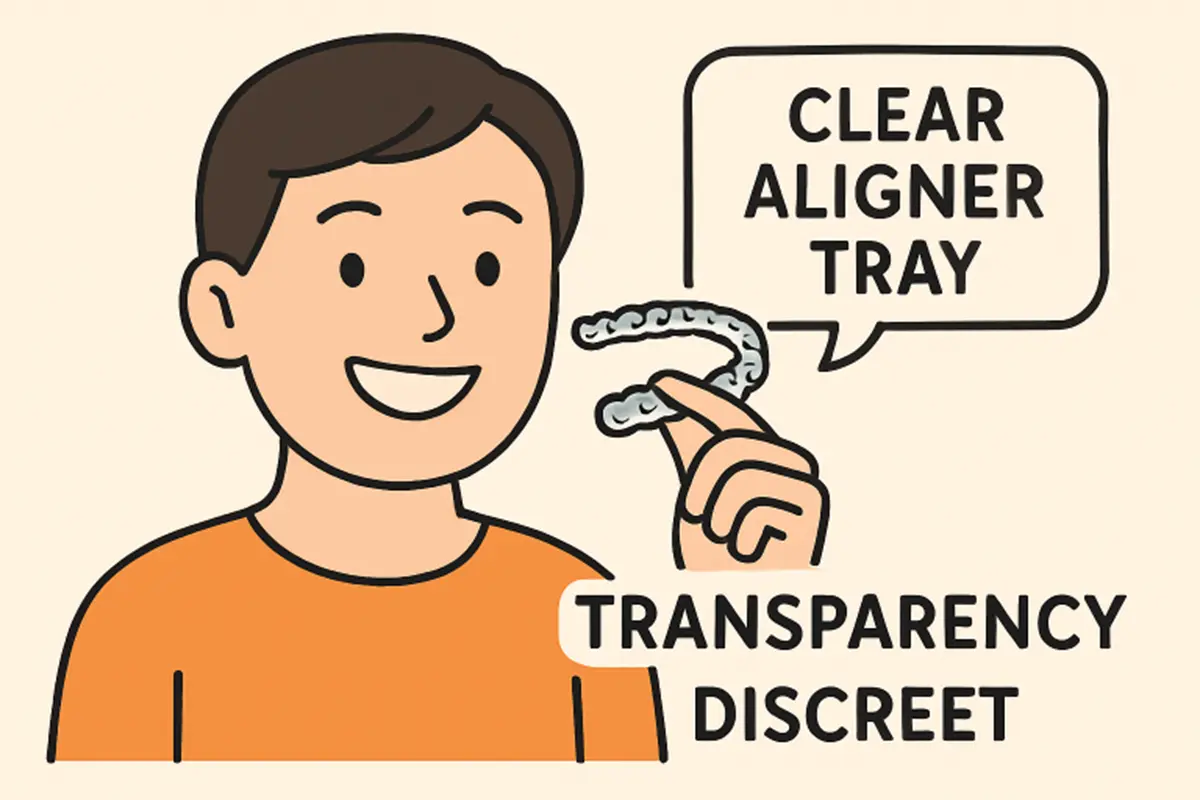
- Clear aligners offer an aesthetically pleasing, nearly invisible way to straighten teeth.
- Recent advancements in clear aligner technology have significantly improved their performance and comfort.
- Patient compliance is essential for successful treatment outcomes.
- Costs can vary widely, and insurance may help offset the expense.
Clear aligners have emerged as a popular orthodontic solution, especially for adults and teens who want straighter teeth without the look and feel of traditional metal braces. Thanks to their discreet design and removable nature, these systems are quickly overtaking metal braces as the preferred choice for mild to moderate orthodontic correction. When considering orthodontic treatment, patients need to understand not only the clinical benefits but also the average Invisalign cost and other factors unique to each aligner brand or provider.
While aligners are almost invisible and can be removed for meals and brushing, their success depends heavily on proper use and consistent wear time. This flexibility and aesthetic appeal make them an attractive option for working professionals and image-conscious individuals, though these very features also require a high degree of patient responsibility.
The orthodontic landscape continues to evolve with innovations in the materials, design, and planning tools used for clear aligner therapy. By offering patients greater comfort, fewer interruptions to their daily routines, and increasingly predictable results, recent technological developments keep aligning treatment with the cutting edge of modern dental care.
Understanding Clear Aligners
Clear aligners are sets of custom-fabricated, virtually invisible trays worn over the teeth to move them into alignment gradually. Unlike traditional braces that use brackets and wires, these trays are removable, making oral hygiene much easier and mealtime less restrictive. Treatment is planned by a dental professional using digital scans or molds, with aligner sets changed at prescribed intervals, typically every 1 to 2 weeks. Many patients at Advanced Smiles Marion appreciate this method not just for its subtle appearance but also for how it makes it easier to maintain regular brushing and flossing routines than with fixed orthodontic appliances. Despite these advantages, compliance is critical to results. Failing to wear aligners for 20 to 22 hours daily can delay or compromise the outcome. For particular mild to moderate issues, such as minor crowding, spaces between teeth, or slight bite problems, clear aligners are highly effective. For more complex cases involving jaw realignment or significant bite corrections, fixed braces may still be necessary.
Advancements in Clear Aligner Technology
- Material Innovations: Newly developed thermoplastics offer greater strength, flexibility, and stain resistance. Some aligners feature textured surfaces to prevent slippage and further optimize movement efficiency.
- AI-Driven Planning: Computer algorithms can now analyze orthodontic cases and predict the most effective sequence of movements, helping design a treatment plan that minimizes the number of aligner changes and shortens overall treatment time.
- Remote Monitoring: Many providers now incorporate digital scans and virtual check-ins, reducing the need for frequent in-office visits and increasing convenience. Patients can share periodic updates with their orthodontist from home, making it easier to ensure treatment stays on track.
As these advances become more widespread, patients can expect even more individualized and efficient care, making orthodontic correction less disruptive to everyday life.
Effectiveness Compared to Traditional Braces
Clear aligners are generally very effective for straightforward orthodontic corrections, offering results comparable to braces for many patients with mild to moderate alignment issues. However, traditional braces may provide more precise control in complex cases involving severe crowding, rotations, or jaw discrepancies. Still, it acknowledged the superior capabilities of braces in addressing more challenging dental anatomy. Patients should discuss their specific needs and expectations with their orthodontist to ensure the chosen treatment strikes the best balance between effectiveness and convenience.
Patient Satisfaction and Comfort
Comfort and ease of use are primary reasons patients report high satisfaction with clear aligners. Unlike metal brackets and wires, aligners are less likely to cause mouth sores or significant discomfort. Most users only experience mild, temporary soreness when switching to a new set of trays. In addition, since aligners are removable, patients enjoy fewer dietary restrictions and less disruption to daily routines.
Some users experience a short adjustment period with speech, but these initial effects usually resolve quickly. For many, the enhanced comfort and discretion offset any temporary inconveniences. Surveys routinely show patient satisfaction rates above 90% among those who closely adhere to their orthodontist’s directions, reflecting the importance of compliance for overall outcomes.
Cost Considerations
The cost of clear aligner treatment depends on the complexity of the case, the provider’s geographic location, and the technology used. Generally, the price range falls between $3,000 and $7,000. Some dental insurance plans cover a portion of the treatment; financing and payment plan options are commonly available to help spread out the expense. It’s vital to have a transparent cost discussion before starting treatment, as additional adjustments or lost aligners may incur extra fees.
Importance of Compliance
For successful treatment, clear aligners must be worn 20–22 hours per day and only removed for eating or cleaning. Skipping wear time can prevent teeth from moving as planned, extending the duration and overall cost of treatment. Regular follow-ups—either in person or through digital monitoring—help ensure each stage is completed correctly and allow the provider to address any issues early.
Conclusion
Clear aligners represent a sophisticated, user-friendly advancement in orthodontic care, particularly for patients seeking a minimal-impact, aesthetically pleasing way to achieve a straighter smile. Advances in technology continue to improve comfort, appearance, and efficiency, though traditional braces still retain a critical role for more complex cases. Thorough consultation, responsible compliance, and expert guidance are the keys to making the most of what clear aligner therapy has to offer.
Also Read-Smart Home Healing After Surgery: Tools, Tech And Gentle Support