
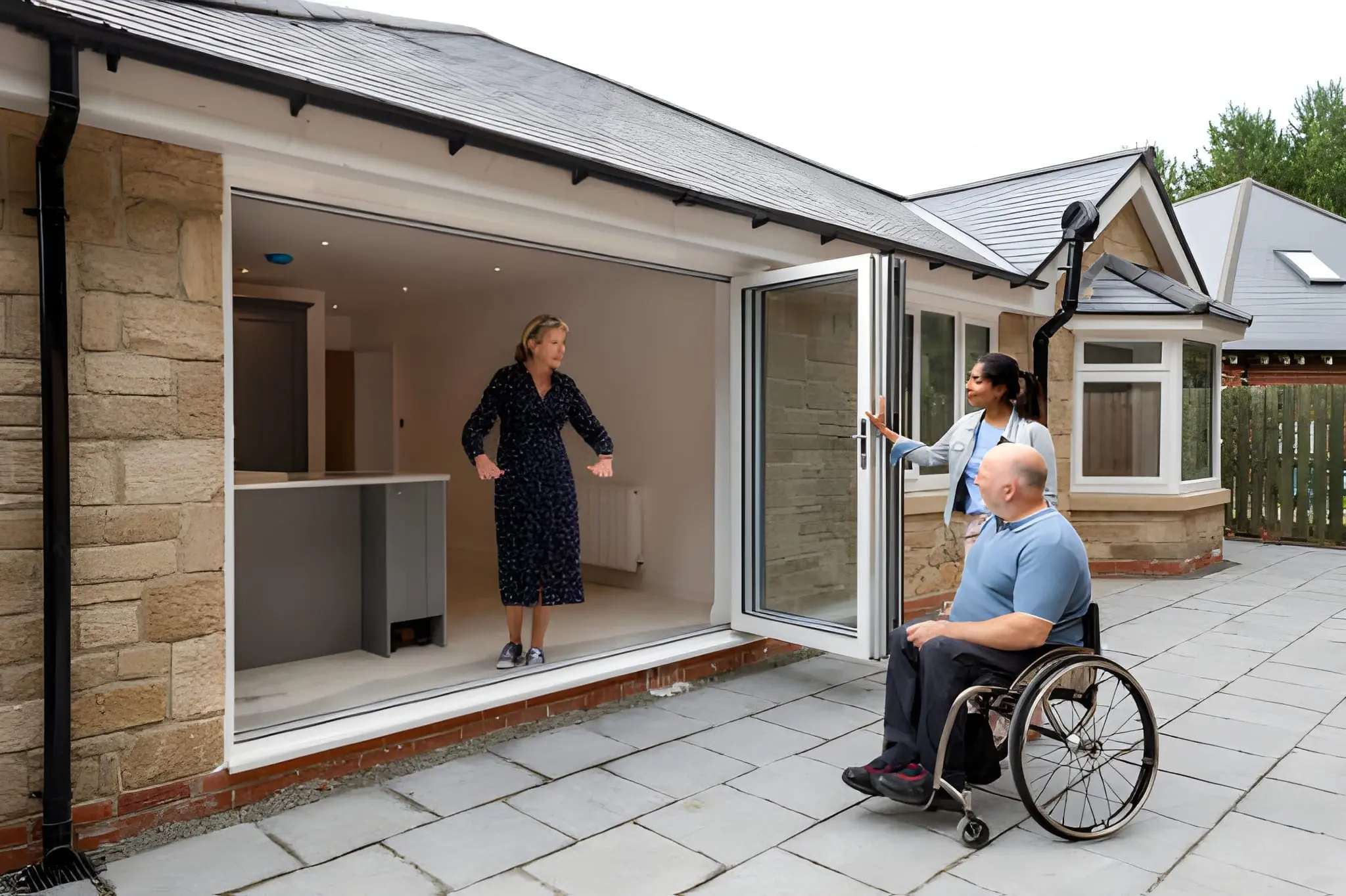
Everyone deserves a place to call home somewhere they feel safe, comfortable, and free to live life on their own terms. For people living with disabilities, finding such a space isn’t always simple. That’s where Specialist Disability Accommodation (SDA) comes in a life-changing initiative that empowers people to live more independently, with dignity and choice.
Behind every successful SDA home is a dedicated team that designs, builds, and manages spaces that truly meet the unique needs of each individual. These are the providers who ensure accessibility isn’t just a feature it’s a foundation for independence.
Let’s explore how these providers play a crucial role in creating homes that go beyond physical accessibility to support empowerment, inclusion, and everyday living.
Understanding What Specialist Disability Accommodation Really Means
Specialist Disability Accommodation often referred to as SDA is a type of housing designed specifically for people with high support needs or significant physical impairments. These are homes purpose-built or modified to include features that make daily life safer, more comfortable, and more accessible.
For example, SDA homes might include wider doorways for wheelchair access, adjustable kitchen benches, reinforced walls for hoists or mobility aids, and smart-home technology that allows residents to control lights, doors, and temperature with voice commands or touchscreens.
But SDA is more than just bricks and mortar. It’s about giving people with disabilities the chance to live in a space that supports their independence while allowing access to the right level of care and community participation.
This concept closely aligns with the principles of the National Disability Insurance Scheme (NDIS), empowering individuals to make choices that enhance their quality of life.
Building Homes, Not Just Houses
A true home is more than walls and a roof; it’s a place that feels like you. Specialist disability accommodation focuses on creating environments that feel warm, familiar, and inviting, while still offering the functionality and safety that residents need.
Imagine a young woman with cerebral palsy moving into her own SDA apartment for the first time. Her kitchen counters adjust with the touch of a button, and her voice-activated lighting system helps her move freely at night. Her bathroom has safety rails, a roll-in shower, and enough space for support staff to assist when needed.
Now imagine the joy of an older man with an acquired brain injury who, after years in hospital settings, finally has a home that feels personal: a garden to tend, a living room for family visits, and a community that values his independence.
These real-world examples show how thoughtful design can transform lives. SDA homes are about removing barriers physical and psychological so people can focus on living, not just surviving.
The Role of a Specialist Disability Accommodation Provider
Behind every accessible home is a dedicated Specialist Disability Accommodation Provider. These professionals manage everything from designing and building the properties to ensuring they comply with strict accessibility and safety standards.
But their role goes far beyond development and management. They collaborate with support coordinators, carers, therapists, and families to create tailored housing solutions that match each resident’s unique goals and lifestyle.
Here’s how they make a difference:
1. Creating Safe and Supportive Environments
Safety is at the heart of every SDA design. Providers ensure homes are equipped with features that prevent accidents and make mobility easy from slip-resistant flooring to accessible entryways and emergency call systems.
2. Promoting Independence
The goal isn’t to take over someone’s life; it’s to give them tools to manage it more independently. Through clever design and assistive technology, residents can cook, clean, communicate, and move around freely often with minimal support.
3. Encouraging Community Participation
SDA providers also consider location carefully. Homes are built near transport, shops, and community centres to help residents stay connected. Independence thrives when people can participate fully in everyday life shopping, socialising, or pursuing hobbies just like anyone else.
4. Supporting Long-Term Stability
SDA providers ensure their homes meet not only current needs but also potential future requirements. This flexibility means residents can stay in the same supportive environment even as their needs evolve.
By combining practical design with empathy and innovation, providers help bridge the gap between care and independence.
The Power of Choice and Control
One of the most empowering aspects of SDA is choice. Under the NDIS, participants can choose where they live, who they live with, and what kind of home best suits their needs. This autonomy is vital for building confidence and improving well-being.
For many people, moving into SDA represents a fresh start an opportunity to live on their own terms for the first time. For families, it’s reassurance that their loved one has access to safe, quality accommodation that nurtures both independence and care.
A good provider listens first and builds second. They take time to understand what “home” means to each individual whether that’s being close to family, having access to gardens and outdoor spaces, or having modern technology that simplifies daily routines.
It’s this attention to personal details that transforms disability accommodation into a truly life-enhancing experience.
Real-World Impact: More Than Just a Place to Live
The benefits of specialist disability accommodation go far beyond accessibility. When people have housing that fits their needs, everything else improves, too — health, happiness, and participation in the community.
Take, for example, a man with a spinal cord injury who, before moving into an SDA home, relied heavily on hospital stays for care and support. Once settled into his accessible home, with the right equipment and support nearby, he regained independence, improved his mental health, and even returned to part-time work.
Or think about a woman with multiple sclerosis who now manages her condition more effectively at home thanks to modern features like adjustable furnishings and smart-home controls. With greater autonomy, she can focus on her hobbies, friendships, and well-being rather than on daily struggles.
These stories highlight the ripple effect of well-designed accommodation it doesn’t just meet physical needs; it enhances emotional resilience and personal growth.
Looking Ahead: The Future of Disability Housing
As technology and design continue to evolve, so too does the potential for more innovative and inclusive housing. Smart homes, voice-activated systems, and integrated care technology are reshaping what independence looks like for people with disabilities.
Future SDA developments are likely to focus even more on sustainability, affordability, and community integration ensuring that accessible housing becomes the norm, not the exception.
As awareness grows, collaboration among healthcare professionals, builders, and disability advocates will ensure that more Australians have access to safe, empowering, and inclusive homes.
Final Thoughts
At its core, Specialist Disability Accommodation is about freedom, the freedom to live life with dignity, independence, and choice.
A skilled and compassionate provider plays a crucial role in turning that vision into reality. They don’t just build homes; they create environments where people can thrive.
Through thoughtful design, collaboration, and a genuine understanding of individual needs, SDA providers help redefine what it means to live independently showing that, with the right support, home can truly be a place for everyone.
Also Read–How LATAM’s Tech Talent Is Driving Digital Transformation Globally