
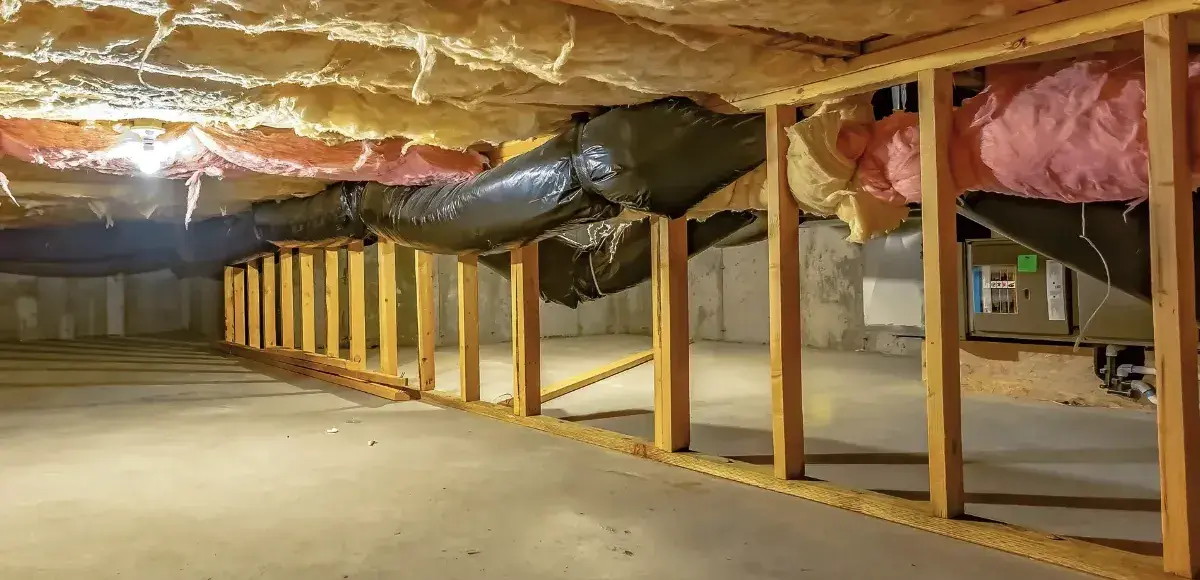
A comfortable home is more than just a place that stays warm in winter and cool in summer—it’s also one that maintains clean, balanced air and consistent temperatures. The materials used in insulation play a key role in achieving this. Proper insulation not only enhances energy efficiency but also influences air quality, moisture control, and overall well-being. When insulation is designed for durability, safety, and environmental performance, it creates a healthier indoor environment for every occupant. Understanding how insulation affects the air you breathe and the comfort you feel can transform how homeowners approach home maintenance and design.
Insulation’s Role in Indoor Air Quality
Indoor air quality often depends on how well a home’s insulation system manages airflow and contaminants. Poor insulation allows drafts and leaks, inviting dust, pollen, and outdoor pollutants into the living space. Over time, these particles accumulate, contributing to the development of allergies and respiratory issues. High-quality insulation acts as a barrier, minimizing the infiltration of airborne irritants and keeping the interior air cleaner and fresher. It also prevents outdoor humidity from seeping inside, which can encourage mold and mildew growth. By maintaining steady airflow and minimizing exposure to pollutants, insulation helps families enjoy a healthier breathing environment. Effective insulation also reduces the workload on HVAC systems, ensuring that air circulation remains balanced and consistent. This connection between insulation performance and air quality highlights the importance of selecting durable materials that safeguard both energy efficiency and human health.
Preventing Moisture and Mold Buildup
One of the most significant threats to indoor air quality is excess moisture. When insulation is poorly installed or degraded, it allows condensation to form inside walls or attics. This trapped moisture becomes a breeding ground for mold and bacteria, resulting in unpleasant odors and potential health risks. Proper insulation creates an airtight seal that keeps humidity levels in check and prevents water vapor from penetrating structural materials. The result is a dry, stable indoor environment that discourages the growth of microorganisms. For homeowners seeking long-term solutions, Defense Insulation offers materials designed to resist moisture infiltration and maintain their integrity under varying weather conditions. By reducing dampness and promoting consistent temperature regulation, modern insulation minimizes the factors that contribute to mold formation. Clean, dry walls and ceilings lead to improved respiratory health, reduced allergens, and a living space that feels fresher and more comfortable year-round.
Temperature Regulation and Physical Comfort
Temperature fluctuations inside the home can affect more than just comfort—they can also influence health. Inconsistent indoor climates can cause strain on the body as it adjusts to varying temperatures between hot and cold environments. Quality insulation eliminates these extremes by stabilizing indoor temperatures throughout the day and across seasons. By keeping heat where it belongs, insulation supports a balanced climate that helps the body maintain equilibrium. This steady comfort contributes to better sleep, improved focus, and reduced fatigue. Additionally, even temperatures prevent condensation, which further discourages the growth of mold and bacteria. Families benefit not only from lower energy bills but also from an environment that promotes relaxation and wellness. When walls, floors, and ceilings are properly insulated, every room remains consistently pleasant, reducing reliance on mechanical systems and lowering the likelihood of respiratory discomfort linked to poor air circulation or drafts.
Reducing Energy Waste and Indoor Pollutants
Energy efficiency and air quality are deeply connected. Homes that waste energy due to inadequate insulation often experience uneven airflow and poor filtration. When heating and cooling systems run constantly to compensate for lost energy, they circulate dust, pet dander, and other particulates more frequently, thereby increasing the likelihood of exposure to these contaminants. Efficient insulation reduces the need for overworked HVAC systems, allowing filters to function more effectively and keeping air cleaner. It also helps limit carbon emissions by reducing energy consumption, contributing to a healthier planet and home environment. A well-insulated home prevents pollutants from seeping in through cracks or vents, thereby improving overall indoor air quality and freshness. Lowering energy waste not only benefits the environment but also reduces indoor exposure to airborne particles generated by inefficient combustion or system strain. With insulation functioning as both a temperature barrier and an air-quality enhancer, homeowners can achieve a more sustainable and breathable home without sacrificing comfort.
Improving Sound Quality and Mental Well-Being
A quiet home contributes to relaxation, focus, and mental balance. Noise pollution from outside traffic, neighbors, or mechanical systems can elevate stress levels and disrupt sleep. Insulation plays a crucial role in soundproofing by absorbing and reducing vibrations that pass through walls, ceilings, and floors. The result is a peaceful indoor environment where external noise becomes less intrusive. This acoustic comfort enhances concentration, productivity, and emotional well-being—an often-overlooked benefit of effective insulation. Sound reduction also improves privacy within the home, ensuring that daily activities remain undisturbed. A calm, quiet living space encourages better rest and a sense of security, both of which are essential for maintaining good mental health. By improving noise control, insulation supports not only the physical aspects of comfort but also the psychological benefits of tranquility and stability. A serene atmosphere fosters a meaningful connection between environmental quality and personal wellness.
Supporting Ventilation and Balanced Humidity Levels
Effective insulation works in harmony with ventilation to maintain a balanced indoor air quality. While insulation seals unwanted drafts, proper ventilation ensures fresh air continues to circulate. When combined effectively, these systems prevent stagnation and humidity buildup that can lead to discomfort or health issues. Modern insulation materials are designed to allow controlled air exchange, maintaining optimal humidity levels throughout the home. Balanced humidity reduces dryness in winter and excess dampness in summer, both of which can aggravate allergies or respiratory irritation. This equilibrium is especially important for homes with children, older adults, or individuals with sensitive lungs. Well-insulated homes also experience fewer temperature fluctuations between floors, helping air circulate evenly without straining heating or cooling systems. The synergy between insulation and ventilation enhances both air freshness and comfort, creating a stable indoor climate that supports respiratory health and overall well-being throughout all seasons.
Eco-Friendly Materials and Sustainable Health Benefits
The environmental footprint of insulation materials plays a crucial role in long-term indoor health. Traditional insulation types often contain chemicals or fibers that can emit volatile organic compounds (VOCs), contributing to poor air quality. Modern insulation alternatives prioritize eco-friendly materials that are non-toxic, safe, and sustainable. These products reduce harmful emissions while maintaining superior thermal performance. Eco-conscious homeowners benefit from reduced exposure to irritants and pollutants commonly associated with older insulation. Sustainable insulation options also contribute to broader environmental goals by lowering waste and energy demand. By choosing insulation made from recyclable or renewable sources, homeowners create living spaces that are both health-conscious and environmentally responsible. This alignment between personal comfort and global sustainability reinforces the idea that a healthier home contributes to a healthier planet. Insulation designed with both performance and environmental integrity in mind offers peace of mind that extends well beyond immediate comfort.
Long-Term Health and Home Preservation
Investing in proper insulation is also an investment in the long-term health of the home and its occupants. A well-insulated property experiences fewer structural issues caused by moisture, condensation, or thermal expansion. This preservation not only maintains the home’s integrity but also prevents the growth of hidden mold or mildew that could compromise indoor air. The result is a safer and more durable living space that remains comfortable for years to come. Families benefit from consistent air quality, improved thermal regulation, and reduced allergens. Long-term maintenance costs also decrease since insulation minimizes damage caused by fluctuations in temperature or humidity. A properly insulated home retains value and remains healthier for future occupants as well. It serves as a foundation for physical well-being, environmental responsibility, and sustainable living, proving that comfort and health can coexist through thoughtful design and regular maintenance.
Insulation serves as more than a temperature barrier—it is a foundation for healthier, more sustainable living. By controlling moisture, filtering pollutants, and stabilizing indoor climates, insulation supports respiratory wellness and comfort throughout the home. Advanced materials, such as those used in Defense Insulation systems, combine durability, environmental awareness, and superior performance to maintain air purity and balance. Proper insulation enhances mental and physical health while reducing energy waste and environmental impact. When installed and maintained correctly, it transforms homes into safe, quiet, and efficient environments that promote long-term well-being. The connection between insulation quality and indoor health demonstrates that true comfort originates from within the walls themselves.
Also Read-How LATAM’s Tech Talent Is Driving Digital Transformation Globally