
Key Takeaways:
- Ductless HVAC systems offer energy-efficient heating and cooling without the need for traditional ductwork.
- They provide zoned comfort, allowing individualized temperature control in different areas of the home.
- Installation is less invasive and more flexible than that of conventional systems.
- Advanced filtration in ductless units enhances indoor air quality.
- Modern ductless systems often include smart technology for remote control and monitoring.
Introduction to Ductless HVAC Systems
As homeowners seek greater energy efficiency and superior indoor comfort, ductless HVAC systems have emerged as a popular and adaptable solution for modern living spaces. Known widely as “mini-split” systems, ductless units have found favor not just in new-build homes, but also in offices, historic houses, apartments, converted attics, and other locations where installing or extending traditional ductwork is impractical. Their innovative design sidesteps the need for extensive ductwork, which can be a headache in older buildings or on smaller properties lacking an attic or crawl space. The flexibility makes them perfect for home remodels, new additions, or supplemental climate control in rooms that are notoriously difficult to keep comfortable with central systems. Whether you’re aiming to boost year-round livability, install an AC heat pump for efficient temperature management, or address a specific temperature challenge, exploring ductless technology could provide an efficient, versatile solution.
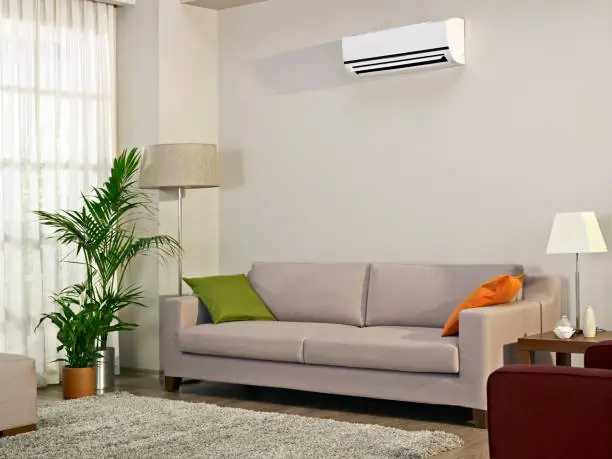
Ductless systems consist of an outdoor compressor/condenser unit connected to one or more compact indoor air-handling units, enabling direct delivery of conditioned air to targeted spaces. This design vastly reduces the chance of energy loss as it travels through an extensive maze of ductwork—one of the biggest inefficiencies of traditional central air systems. For anyone researching top-performing ductless solutions, the MRCOOL Universal Series stands as a leading example, blending cutting-edge features, broad compatibility, and reliable year-round comfort.
Energy Efficiency and Cost Savings
One of the hallmark advantages of ductless mini-split systems is their remarkable energy efficiency. According to the U.S. Department of Energy, traditional forced-air systems can lose up to 30% of the energy intended for heating or cooling due to leaks, holes, and poorly connected ducts. In contrast, ductless HVAC delivers treated air directly from each indoor unit to each uniquely zoned area, virtually eliminating the energy losses that plague ducted systems. The savings extend beyond maintenance and energy bills—ductless units use inverter-driven compressors that continuously adjust motor speed based on temperature demand. This reduces the frequent on-off cycling common in conventional units, which wastes energy and stresses equipment.
With energy prices steadily climbing and eco-consciousness on the rise, investing in a ductless HVAC is wise for both the planet and your personal finances. Lower monthly bills and potential eligibility for energy-efficient home improvement rebates make the investment even more practical. Over the long term, reduced wear and tear on your system’s components can also mean fewer repair expenses and an extended equipment lifespan, further multiplying your cost savings. Some homeowners report recouping installation costs within just a few years through lowered utility bills alone.
Zoned Comfort and Personalized Control
Ductless HVAC systems introduce a revolutionary level of control over your indoor environment by enabling true “zoned” comfort. Instead of heating or cooling the entire home to the same temperature, each ductless indoor unit creates an individual comfort zone. This is invaluable in multi-story homes where upper floors may become much warmer than the lower levels, or in homes with guest rooms, finished basements, or sunrooms that require different temperature settings. With individual thermostats, you can fine-tune the comfort in each area based on occupancy and preferences.
Customization for Every Member of the Household
Families are often made up of individuals with very different comfort preferences, and ductless heating and cooling allow those preferences to coexist. Now, a home office can be kept comfortably cool during long workdays without over-conditioning the rest of the house, or bedrooms can maintain cozy warmth on chilly winter nights without overheating the family room. This individually tailored climate control can reduce family disagreements over a single thermostat setting and help ensure everyone feels at home. In addition, focusing energy use only on rooms in use helps reduce utility costs and prevents waste, extending the value of your investment.
Flexible and Less Invasive Installation
A major reason many homeowners and property managers turn to ductless solutions is the ease of installation. Traditional forced-air HVAC upgrades demand invasive construction, from cutting into walls and ceilings to running bulky ductwork throughout the home, which can disrupt daily routines for days or even weeks. In contrast, ductless systems use thin refrigerant and electrical lines running from the outdoor unit to each indoor head, requiring only a small wall opening. This minimally invasive setup is especially advantageous for older homes with thick plaster walls, decorative molding, or homes where preserving historical integrity is crucial.
Another big benefit is the aesthetic flexibility, which allows these systems to blend discreetly into any space. Indoor units can be selected in a style that matches your interior—be it sleek wall-mounted units, unobtrusive floor-mounted models, or recessed ceiling cassettes that almost disappear from view. An experienced installer can often complete a basic setup for one or two zones in just a few hours, causing minimal disturbance to your daily activities.
Enhanced Indoor Air Quality
A frequently overlooked downside of conventional ducted HVAC systems is their tendency to draw dust, mold, pollen, and other airborne allergens into the ductwork, where they accumulate over time and can be redistributed throughout your home. With no large network of ducts to harbor pollution, ductless systems naturally reduce this risk. Furthermore, many ductless units are engineered with multi-stage or HEPA-grade air filtration, capturing ultrafine particles that most basic filters miss. Continuous circulation not only delivers stable temperatures but also contributes to fresher, cleaner indoor air, essential for healthy living.
Improved indoor air quality is especially important for families with children, seniors, allergy sufferers, and anyone with respiratory issues. The U.S. EPA’s indoor air quality guidelines emphasize the significance of controlling indoor pollutants for long-term wellness. Because ductless units are so easy to clean and maintain, they’re a great option for those looking to simplify ongoing household health routines.
Smart Technology Integration
The most advanced ductless HVAC models go beyond standard temperature control to support seamless integration with smart home ecosystems. Through intuitive smartphone apps, users can program custom heating and cooling schedules tailored to their family’s lifestyle, ensuring home comfort is optimized 24/7, even when no one is home. Real-time energy monitoring lets you track consumption in each zone and receive reminders when it’s time to clean or replace filters—helping extend system life and preserve efficiency.
Some systems are compatible with popular voice-activated assistants like Alexa, Google Home, and Apple HomeKit, enabling hands-free control of climate systems and easy integration into broader smart home automation routines. Whether you’re looking to lower energy use while on vacation or want your bedroom at just the right temperature before bedtime, smart-enabled ductless systems offer unprecedented flexibility and convenience.
Conclusion
The adoption of ductless HVAC systems is rapidly transforming expectations for home comfort and energy savings. Combining state-of-the-art engineering, zoned temperature control, reduced installation hassle, and health-driven air circulation, ductless systems embody the next wave of smart home living. As more homeowners discover the cost savings and personalized comfort benefits, ductless HVACs are setting a new standard for climate control in both new builds and challenging retrofits. Their ease of integration with smart technology ensures that every family can monitor, adjust, and optimize their indoor environment—all while supporting sustainability and individual comfort needs.
Read more: HVAC Abilene TX: Boosting STEM in Home Environments – Blessingscore.com
Inherited Property in Georgia? Why Many Heirs Choose Quick Cash Sales – Blessingscore.com
Smart Home Healing After Surgery: Tools, Tech And Gentle Support – Blessingscore.com