
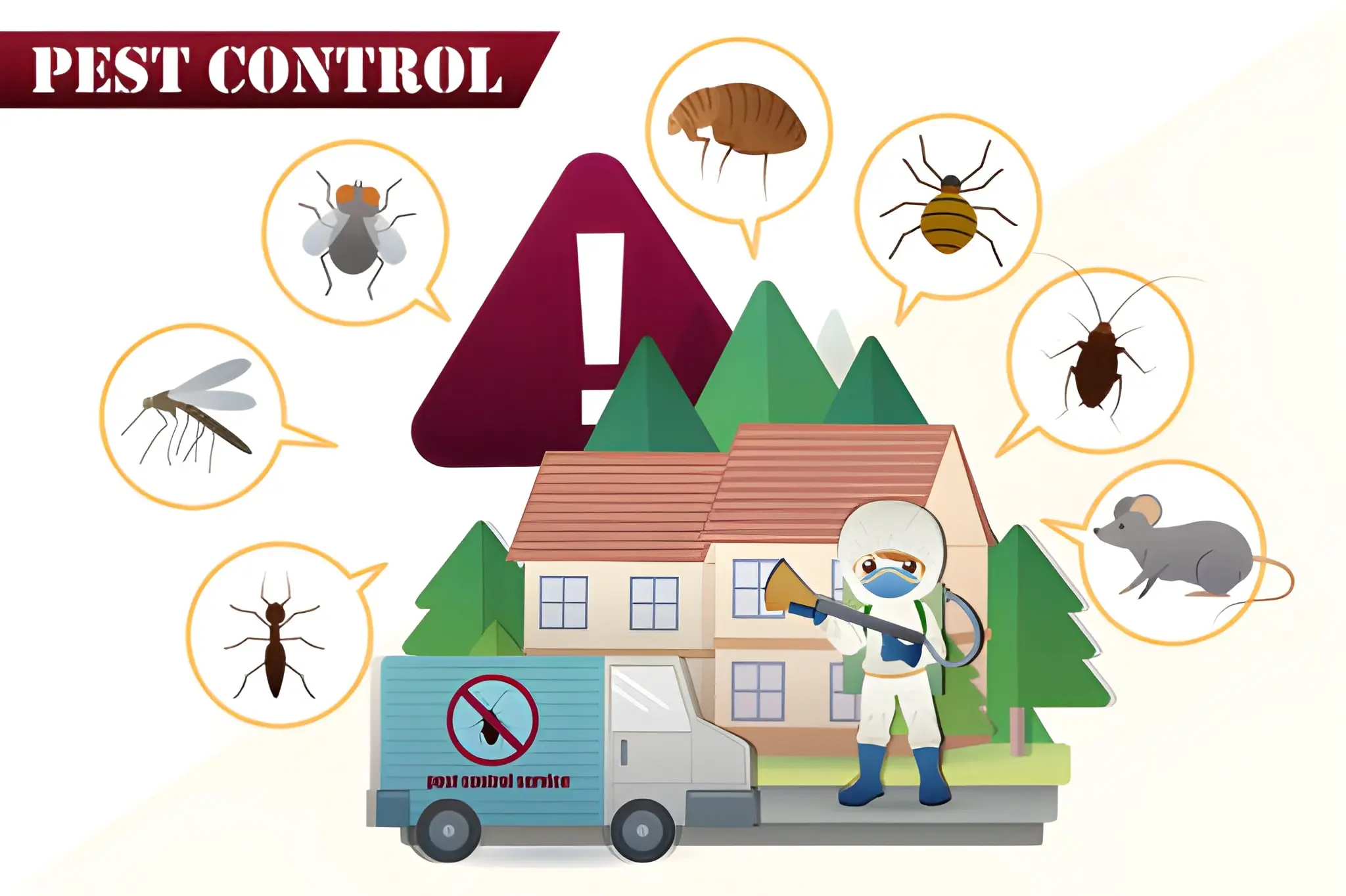
Keeping your home or business pest-free is about more than just reacting to a problem; it’s about preventing one before it starts. Whether you’ve seen a few ants in the kitchen or are just trying to avoid future infestations, scheduling regular pest control Sterling VA services is one of the best ways to maintain a healthy, comfortable space. But how often should you actually book pest control treatments? The answer depends on several factors, including your location, the type of property you have, and the kinds of pests that are common in your area.
Below, we’ll break down the ideal frequency for pest control services, why regular visits matter, and what you can expect during each appointment.
The Importance of Regular Pest Control
Many people don’t think about pest control until they notice a problem like a trail of ants across the counter or a spider in the corner. But by that point, it’s often too late. Pests reproduce quickly, and what starts as a few insects can turn into a full infestation in a matter of weeks.
Regular pest control visits help stop these issues before they start. Professional technicians not only treat visible pest activity but also create barriers to keep unwanted guests from coming back. These preventative measures are especially important for pests that tend to thrive seasonally, like ants in the spring or rodents in the winter.
Beyond preventing infestations, consistent pest control protects your home’s structure and your family’s health. Termites are an example of a pest that can cause serious structural damage over time, while cockroaches and rodents can have harmful bacteria that spread illness. By keeping up with a regular pest control schedule, you’re safeguarding both your investment and your well-being. For reliable pest control services, visit https://ratpackpestcontrol.com/ashburn/pest-control-ashburn-va/ to learn more about effective solutions for your home or business.
General Guidelines: How Often Should Pest Control Be Done?
For most homes, quarterly pest control treatments (every three months) are ideal. This schedule provides consistent protection against common household pests while keeping costs manageable. Each visit helps reinforce the protective barrier around your property and targets any emerging pest issues before they escalate.
However, how often can vary based on your circumstances. Here’s a breakdown:
1. Every Three Months (Quarterly)
This is the standard recommendation for most residential properties. Quarterly treatments help prevent common pests like ants, spiders, cockroaches, and silverfish. These visits are typically timed around seasonal pest activity, so your home stays protected year-round.
2. Monthly Treatments
If you’re dealing with a serious infestation such as roaches, bed bugs, or rodents, monthly treatments may be necessary at first. Once the problem is under control, your pest control provider can shift to a less frequent maintenance plan. Businesses, restaurants, and multi-unit housing often require monthly service to guarantee compliance with health and safety standards.
3. Bi-Monthly Treatments (Every Two Months)
In some regions with higher pest activity, especially in warm and humid climates, every other month treatments can be a great option. This schedule maintains a strong protective barrier without the need for monthly visits.
4. Annual Inspections
Even if you haven’t noticed any pest issues, scheduling at least one annual pest inspection is smart. This allows professionals to spot early warning signs of termites, carpenter ants, or other pests that could cause damage over time.
Factors That Affect Pest Control Frequency
Every home is different, and several factors can determine how often you should schedule pest control services:
1. Your Location
If you live in an area with a warm or humid climate, such as the southeastern United States, pests are active year-round. Homes in these regions benefit from quarterly or even bi-monthly treatments. In cooler climates, pests tend to slow down in winter, allowing for slightly less frequent service.
2. Type of Property
Single-family homes typically need less frequent treatments than apartment buildings, townhomes, or commercial properties. Shared walls and communal spaces make it easier for pests to move between units, requiring more regular monitoring.
3. Previous Infestations
If your home has had pest issues in the past, it’s wise to stay proactive. For example, if you’ve dealt with termites, roaches, or rodents before, scheduling regular visits ensures these pests don’t return.
4. Pets and Children
Homes with pets or small children often experience more pest activity due to food crumbs, water bowls, and open play areas. Regular pest control helps minimize these attractants and keeps your home cleaner and safer.
5. Seasonality
Pest activity tends to rise and fall with the seasons.
- Spring and Summer: Ants, wasps, and mosquitoes become active.
- Fall: Rodents begin seeking warmth indoors.
- Winter: Spiders and silverfish look for dry, protected spaces.
Scheduling pest control before each major season helps you stay one step ahead.
What to Expect from Routine Pest Control Visits
Each pest control visit typically includes:
- Inspection: The technician checks your property for signs of pests and potential entry points.
- Treatment: They apply safe and targeted treatments inside and outside the home.
- Prevention: The technician may recommend sealing cracks, repairing screens, or improving sanitation habits.
- Follow-Up: Depending on your pest situation, the provider may suggest additional visits or set up a recurring plan.
Over time, your pest control company learns the unique patterns and needs of your property, allowing them to fine-tune treatments for maximum effectiveness.
Benefits of Staying on Schedule
Sticking to a regular pest control schedule offers more than just peace of mind. You’ll also enjoy:
- Cost Savings: Preventing infestations is cheaper than dealing with damage or large-scale treatments later.
- Health Protection: Reduces exposure to allergens, bites, and diseases carried by pests.
- Long-Term Results: Maintains a steady barrier around your home that deters pests year-round.
- Early Detection: Helps catch small problems before they turn into major infestations.
Think of pest control like routine home maintenance, just like HVAC servicing or gutter cleaning. Consistent attention prevents costly problems down the line.
How to Choose the Right Pest Control Plan
The best pest control companies offer flexible plans tailored to your needs. When choosing a provider, look for:
- Licensed and certified technicians
- Eco-friendly and family-safe treatments
- Customizable service schedules (monthly, bi-monthly, or quarterly)
- Transparent pricing and guaranteed results
It’s also helpful to work with a company that understands local pest behavior. They’ll know exactly which treatments and preventive measures are most effective in your area.
Final Thoughts
When it comes to pest control, prevention is always the best choice. For most homeowners, scheduling quarterly pest control services is the sweet spot for maintaining a pest-free environment throughout the year. However, factors like your location, property type, and past infestations may require more frequent visits.
Regular pest control not only keeps your space comfortable and hygienic, but it also protects your home’s value and your family’s health. By partnering with a trusted pest control company and staying consistent with treatments, you can rest knowing your home is protected from unwanted guests, no matter the season.