
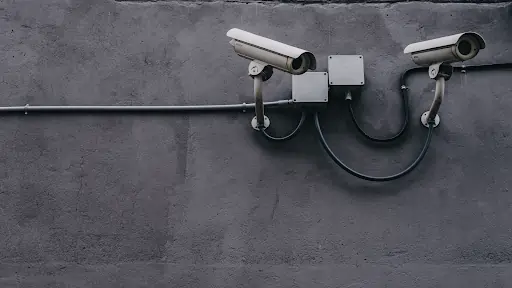
Here’s something that’ll grab your attention: workplace accidents and security failures drain billions from corporate budgets annually. Yet too many companies stick with surveillance tech that basically creates a highlight reel of disasters instead of stopping them. Live monitoring flips the script completely; it’s about catching problems as they happen, not reviewing the wreckage afterward.
When you’ve got seconds to prevent someone from getting hurt or equipment from failing catastrophically, having eyes on everything right now becomes absolutely critical. We’re talking about protecting your people, your gear, and yes, your profit margins.
Why Live Monitoring Matters for Keeping People Safe
Let’s be real. Recording footage that sits on a server until something goes wrong? That’s not protection. That’s documentation. You need systems that actually do something in the moment.
Catching Problems Before They Explode
Get this: unplanned equipment downtime costs the typical Fortune 500 company a jaw-dropping $2.8 billion each year, roughly 11% of what they bring in. And that doesn’t even touch injuries or safety violations. Old-school cameras can’t stop these losses because they’re always looking backward at what already happened.
Real-time monitoring rewrites the rules entirely. The moment a safety hazard pops up, maybe someone walks into a danger zone without gear, or machinery starts acting weird, alerts fire off instantly. You’re talking seconds instead of minutes, and that speed stops small problems from becoming full-blown crises.
Watching Everything, Everywhere, All at Once
Here’s your headache if you’re running a large organization: maintaining consistent safety when your facilities stretch across multiple states or countries. You physically cannot be in ten places simultaneously, and even the best security team can’t watch every corner 24/7.
That’s where modern enterprise video monitoring platforms change the game. You get centralized control regardless of distance. Your manager in Boston watches operations in Dallas, Atlanta, and Seattle at the same time. Throw in IoT sensors alongside video analytics, and suddenly those blind spots in risky areas disappear. Coverage doesn’t depend on how many people you’ve got on shift anymore.
Using Data to See Around Corners
The coolest part isn’t just watching what’s happening right now, it’s spotting patterns that tell you what’s coming next. Advanced systems dig into recurring safety issues, create heat maps showing where incidents cluster, and track whether people actually follow protocols.
This turns safety from playing defense into playing offense. When you know which locations see the most close calls or what times carry the highest risk, you stop guessing. Resources go where they’ll actually make a difference, and you’re fixing problems before they send someone to the hospital.
How Different Industries Use Live Monitoring
Every sector faces its own flavor of safety nightmares. Here’s how various industries adapt these systems to their specific challenges.
Factories and Industrial Sites
Manufacturing floors are basically obstacle courses of potential disasters. Hazardous chemicals, massive machinery, tight spaces, loading zones, it’s a lot to manage. Here’s what one healthcare manager said about tracking systems: “Workstatus’s location monitoring is a big help for me. We can now easily track our caregivers’ movements and ensure they arrive at client homes on time. The ability to view routes and total distances has also helped us improve scheduling and payments”.
Air quality sensors linked to video can trigger evacuations before anyone breathes toxic fumes. PPE compliance monitoring catches workers heading toward dangerous equipment without protection. It’s not about playing gotcha; it’s about making sure everyone goes home safe.
Hospitals and Medical Centers
Healthcare facilities juggle unique risks: patients wandering off, infant abduction threats, violence in ERs, and securing controlled substances. Real-time tracking alerts staff when dementia patients leave safe zones or when strangers access areas they shouldn’t.
These tools don’t just improve safety from a security standpoint; they’re fundamental to patient care, especially for vulnerable populations. And protecting healthcare workers from assault, which has become disturbingly common, matters just as much.
Office Buildings and Business Campuses
Think offices don’t need sophisticated monitoring? Think again. After-hours break-ins, elevator failures, stairwell accidents, parking garage security; these aren’t hypotheticals. When someone’s stuck in an elevator late at night, immediate detection prevents panic and potential medical emergencies.
What Actually Improves When You Implement This Stuff
Business leaders need concrete results, not promises. Organizations rolling out comprehensive monitoring see dramatic changes across the board.
Fewer Accidents, Real Numbers
Companies consistently report 60-80% drops in preventable workplace accidents after getting these systems up and running. Workers’ comp claims fall off a cliff. Insurance companies notice, too, that many offer 15-40% premium cuts for organizations showing serious risk mitigation.
The math is pretty simple. Compare implementation costs against preventing just one or two major incidents. A single serious injury runs into hundreds of thousands when you add medical bills, lost productivity, regulatory fines, and potential lawsuits.
Faster, Smarter Emergency Response
When emergencies hit, seconds matter tremendously. Modern monitoring coordinates with first responders by sharing live feeds during active situations. Police, fire, and medical teams understand what they’re walking into before arrival. This coordination cuts response times and reduces injury severity through better-informed intervention.
Making Compliance Easy
OSHA documentation becomes automatic instead of someone’s extra job. Systems generate detailed audit trails showing when safety protocols were verified, who entered restricted areas, and response times to incidents. This documentation protects you during regulatory reviews and dramatically reduces citation risks.
What’s Coming Next in Safety Monitoring
Technology keeps advancing fast, creating possibilities for organizational safety that seemed like science fiction recently.
AI and Machine Learning Getting Smarter
AI slashes false positive alerts, so your security team focuses on actual threats instead of chasing shadows. Deep learning recognizes complex threat patterns humans might overlook, and self-learning systems adapt to your organization’s specific operational patterns.
Predictive maintenance can cut maintenance costs and boost uptime. These capabilities exist right now, and forward-thinking companies are already using them.
Edge Computing and 5G Networks
Processing video right at the camera instead of shipping everything to central servers eliminates delays for critical safety decisions. When a worker falls or hazardous gas gets detected, the system acts instantly instead of waiting for data to bounce to the cloud and back.
5G networks support this architecture while slashing bandwidth costs, making comprehensive monitoring economically feasible even for organizations running hundreds of cameras across multiple locations.
Questions People Actually Ask
How fast do these systems spot safety violations?
Modern AI-powered systems catch violations within 1-3 seconds and push alerts to supervisors’ phones almost instantly, allowing intervention before situations turn into injuries.
Won’t employees feel like Big Brother is watching?
Transparent communication helps tremendously. Focus on safety goals rather than punishment. Monitor work areas, not break rooms or bathrooms. Clear privacy policies build trust and acceptance.
What if the internet goes down?
Quality systems include edge storage that keeps recording locally during outages, with automatic upload when connectivity returns. Cellular backup ensures critical monitoring continues regardless.
Wrapping This Up
Live monitoring has shifted from nice-to-have to must-have for large organizations serious about protecting their people and assets. The technology delivers measurable wins in preventing incidents, speeding response times, and meeting regulatory requirements while building cultures where safety happens proactively. Organizations embracing these systems aren’t just buying cameras, they’re building comprehensive safety ecosystems that adapt, learn, and continuously protect what truly matters. The real question isn’t whether you should implement these solutions but how quickly you can get started.
Read more: What’s Slowing Down Your Internet—and How to Fix It – Blessingscore.com
Top Garden Pest & Disease Products Every Home Gardener Should Know – Blessingscore.com
How to Choose the Right Technician for Your Premium Appliance Repair – Blessingscore.com