
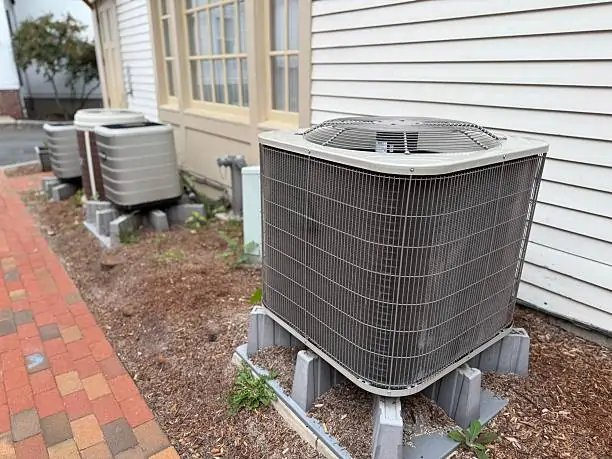
Older homes possess a charm that newer constructions often lack, but they can also present challenges when it comes to maintaining indoor comfort and energy efficiency. Aging infrastructure, outdated materials, and worn insulation can all reduce the effectiveness of heating and cooling systems. Improving HVAC efficiency in older properties requires a careful balance between preserving architectural integrity and upgrading key components to meet modern energy standards. With the right adjustments, homeowners can enjoy lower utility bills, improved comfort, and longer system life while maintaining the historic character of their homes.
Understanding the Challenges of Aging Systems
In older homes, HVAC inefficiency often stems from outdated systems, poor insulation, and leaky ductwork. Many of these houses were built before modern energy codes existed, meaning they lack proper airflow design and insulation levels suited for current HVAC technology. As a result, even a high-efficiency system may struggle to perform effectively in an older structure. Drafty windows, uneven air distribution, and narrow wall cavities can also lead to inconsistent temperature control. To overcome these challenges, homeowners should start by assessing the system’s condition and the overall structure’s thermal performance. A comprehensive energy audit can reveal problem areas that affect efficiency and comfort. For those seeking guidance or system upgrades, working with a complete Las Vegas HVAC services provider can help identify and implement the most practical improvements while preserving the home’s original layout and character.
Upgrading Insulation and Sealing Air Leaks
One of the simplest yet most effective ways to improve HVAC performance in older homes is to enhance insulation and seal air leaks. Many older properties lose significant amounts of conditioned air through poorly sealed windows, doors, and attics. Adding insulation to attics, crawl spaces, and exterior walls can drastically reduce energy loss, allowing the HVAC system to work more efficiently. Modern insulation materials, such as spray foam or cellulose, are flexible enough to fit into irregular spaces often found in older buildings. Sealing gaps around vents, duct joints, and entry points also prevents drafts and maintains consistent indoor temperatures. These improvements not only enhance comfort but also reduce strain on heating and cooling equipment, ultimately lowering energy bills and prolonging the life of the HVAC system.
Modernizing the Thermostat and Controls
Older homes often rely on outdated thermostats that lack precision and energy-saving features. Upgrading to a programmable or smart thermostat can significantly improve HVAC efficiency by enabling more precise temperature control throughout the day. Smart thermostats learn homeowner habits, adjust automatically to optimize comfort, and can even be managed remotely via smartphone apps. This level of automation prevents unnecessary energy consumption when the home is unoccupied. Many modern thermostats can also provide real-time feedback about energy usage, helping homeowners understand how to reduce waste. By maintaining more stable indoor temperatures, smart thermostats prevent the system from cycling too frequently, reducing wear and tear. The simple act of upgrading controls can yield noticeable energy savings and more consistent comfort year-round.
Improving Airflow and Ductwork Design
Airflow is a critical factor in any HVAC system’s performance, and older homes often have ductwork that wasn’t designed for modern systems. Leaky, undersized, or poorly insulated ducts can cause uneven temperatures and force the system to work harder than necessary. Inspecting ductwork for damage, cleaning out accumulated debris, and sealing joints with mastic or foil tape can dramatically improve airflow efficiency. In some cases, it may be beneficial to redesign the duct layout entirely to accommodate newer equipment and optimize air distribution. Upgrading to flexible ducts or insulated materials also minimizes air loss. Proper duct maintenance ensures that every room receives balanced airflow, enhancing comfort and reducing energy consumption. Addressing ductwork issues is one of the most effective ways to maximize the potential of an older HVAC system.
Upgrading to an Energy-Efficient System
For many older homes, the original HVAC equipment may no longer meet current energy standards. Replacing an outdated system with a high-efficiency unit can make a substantial difference in energy performance. Modern air conditioners and heat pumps use advanced compressors and refrigerants that operate more efficiently while producing less noise. When upgrading, homeowners should ensure the new system is appropriately sized for the home. An oversized or undersized unit can lead to wasted energy, frequent cycling, and inconsistent temperatures. Pairing the new system with upgraded ducts, insulation, and smart controls will deliver even greater efficiency. While the initial investment may be higher, the long-term savings in reduced energy costs and improved comfort make it a worthwhile decision.
Addressing Windows and Ventilation
Windows are another major source of energy loss in older homes. Single-pane or poorly sealed windows allow conditioned air to escape, forcing the HVAC system to compensate. Installing double-pane or energy-efficient windows helps regulate indoor temperatures and minimizes air leakage. In cases where replacing windows isn’t feasible, applying weather stripping or using heavy thermal curtains can make a noticeable difference. Proper ventilation is equally important, especially in older houses that tend to retain humidity. Ensuring that vents, fans, and air returns function properly helps maintain good indoor air quality and prevents mold growth. Balanced ventilation supports HVAC performance and contributes to a healthier, more comfortable living environment.
Regular Maintenance and System Monitoring
Routine maintenance is vital for keeping an older home’s HVAC system running efficiently. Tasks such as changing filters, checking refrigerant levels, and cleaning coils ensure that the system operates without unnecessary strain. Annual inspections can identify worn components, minor leaks, or electrical issues before they escalate into costly repairs. Smart monitoring systems can further assist by providing performance alerts or maintenance reminders, allowing homeowners to take proactive action. Regular maintenance extends the system’s lifespan and ensures it operates close to peak efficiency, even in older structures. With consistent care, homeowners can maintain comfort, reduce energy consumption, and avoid unexpected breakdowns during extreme weather.
Enhancing Comfort Through Zoning and Supplemental Options
Older homes often experience uneven heating and cooling due to their unique layouts and construction. Installing zoning systems or supplemental units, such as ductless mini-splits, can help address these inconsistencies. Zoning divides the home into separate areas that can be heated or cooled independently, preventing energy waste in unoccupied spaces. Mini-splits are particularly useful in rooms that lack duct access or have different temperature needs. These modern additions provide flexibility and precise comfort control without requiring extensive remodeling. When combined with other upgrades, such as improved insulation and smart controls, zoning systems can dramatically enhance both energy efficiency and indoor comfort.
Improving HVAC efficiency in older homes requires a thoughtful approach that blends preservation with modernization. By upgrading insulation, sealing air leaks, modernizing thermostats, and maintaining ductwork, homeowners can significantly enhance energy performance without compromising the home’s original charm. Investing in efficient systems, better ventilation, and routine maintenance ensures long-term comfort, lower costs, and reduced environmental impact. With strategic improvements and professional guidance, older homes can achieve modern efficiency while retaining their timeless appeal. Energy savings, improved comfort, and sustainable operation become not just possible but practical for any homeowner ready to take the right steps.
Read more: What to Expect During an HVAC System Installation? – Blessingscore.com
The Difference Between Inpatient and Outpatient Alcohol Rehab Programs – Blessingscore.com
How Portland Plumbers Handle Sewer Line Replacements Efficiently? – Blessingscore.com