
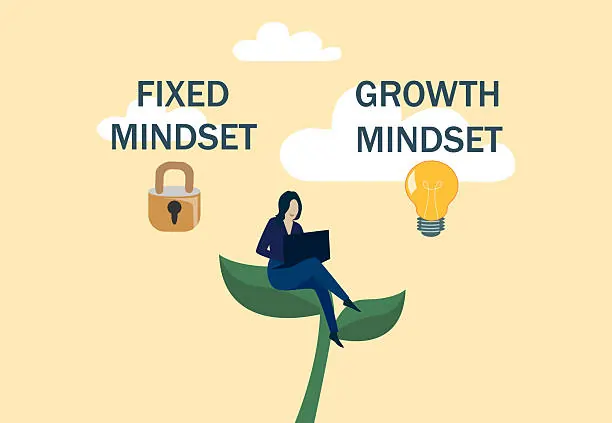
Self-care is often seen as a personal indulgence—something you do on weekends or after a long, stressful week. We associate it with bubble baths, meditation, and quiet time away from the demands of daily life. While these activities are certainly beneficial, this narrow view misses a crucial point: self-care is a fundamental component of professional success. Investing in your well-being isn’t a luxury; it’s a strategic move that directly impacts your productivity, creativity, and career growth.
Prioritizing your mental, physical, and emotional health equips you with the resilience and clarity needed to navigate the modern workplace. It allows you to show up as the best version of yourself, ready to tackle challenges and seize opportunities. This article will explore the deep connection between self-care and professional achievement and provide practical strategies for integrating wellness into your busy life.
The Foundation of High Performance
Think of top athletes. They don’t just train hard on the field; they follow strict regimens for nutrition, sleep, and mental conditioning. Their success depends on a holistic approach to their well-being. The same principle applies to professionals. Sustained high performance isn’t just about working longer hours; it’s about working smarter, and that starts with taking care of your primary asset: yourself.
Sharpening Your Mental Edge
Constant work without adequate rest leads to mental fatigue and burnout. When your mind is cluttered and exhausted, your ability to think critically, solve complex problems, and innovate diminishes. Self-care practices that focus on mental clarity are essential for staying sharp.
- Mindfulness and Meditation: Even a few minutes of daily meditation can reduce stress and improve focus. It trains your brain to stay present, preventing your mind from wandering during important tasks.
- Scheduled Breaks: Step away from your desk regularly. Short breaks can reset your focus and prevent the afternoon slump. Go for a quick walk, stretch, or simply look out a window to give your mind a rest.
- Digital Detox: The constant barrage of emails, notifications, and social media updates can be overwhelming. Set boundaries by designating specific times to check your devices and creating tech-free zones or periods in your day.
Boosting Physical Vitality
Your physical health is inextricably linked to your professional performance. Poor health habits can lead to low energy, frequent sick days, and a general feeling of lethargy that makes it difficult to stay motivated.
- Prioritize Sleep: Skimping on sleep is one of the most detrimental things you can do for your career. Aim for 7-9 hours of quality sleep per night to ensure your brain can consolidate memories, process information, and recharge for the next day.
- Nourish Your Body: A balanced diet fuels your brain and body. Avoid relying on caffeine and sugar for short-term energy boosts, which often lead to crashes. Instead, focus on whole foods that provide sustained energy.
- Move Regularly: Exercise is a powerful tool for reducing stress, improving mood, and increasing energy levels. Find an activity you enjoy, whether it’s a brisk walk, a yoga class, or a gym session, and make it a non-negotiable part of your routine.
Building Confidence and Resilience
Self-care isn’t just about managing stress; it’s also about building self-esteem and resilience. When you invest time and effort in yourself, you send a powerful message that you are valuable. This confidence radiates outward, influencing how others perceive you and how you approach your work. A confident professional is more likely to speak up in meetings, take on leadership roles, and negotiate for what they deserve.
Investing in your appearance can also be a significant confidence booster. This could mean updating your professional wardrobe or addressing something that has been affecting your self-esteem for years. For some, achieving a radiant smile through cosmetic procedures like dental veneers in Harrisonburg, VA, can make a world of difference in how they present themselves in professional settings. When you feel good about how you look, it naturally translates into more confident interactions.
Resilience—the ability to bounce back from setbacks—is another critical skill honed through self-care. A well-rested, healthy individual is better equipped to handle criticism, navigate difficult projects, and learn from failure without becoming discouraged.
Practical Steps to Integrate Self-Care
Building a self-care routine doesn’t have to be another overwhelming item on your to-do list. The key is to start small and be consistent.
- Identify Your Needs: What does self-care look like for you? It might be reading a book, spending time in nature, or connecting with loved ones. Make a list of activities that genuinely rejuvenate you.
- Schedule It In: Treat your self-care activities with the same importance as a business meeting. Block out time in your calendar, whether it’s 15 minutes in the morning or an hour in the evening.
- Set Boundaries: Learn to say no to extra commitments that drain your energy. Protecting your time is a crucial aspect of self-care.
Pave Your Path to Success
Ultimately, professional success is not a sprint but a marathon. To sustain your performance and achieve your long-term goals, you must prioritize your well-being. By integrating self-care into your daily life, you’ll not only enhance your career but also build a more fulfilling and balanced life. Start today by choosing one small action that supports your well-being and build from there. Your future self will thank you.
Read more: Living Room Luxe: Top Furniture Picks for Style & Comfort – Blessingscore.com
Smart Money Moves: What to Know Before You Invest in a Business – Blessingscore.com
What to Look for When Buying a Used Pickup Truck – Blessingscore.com