
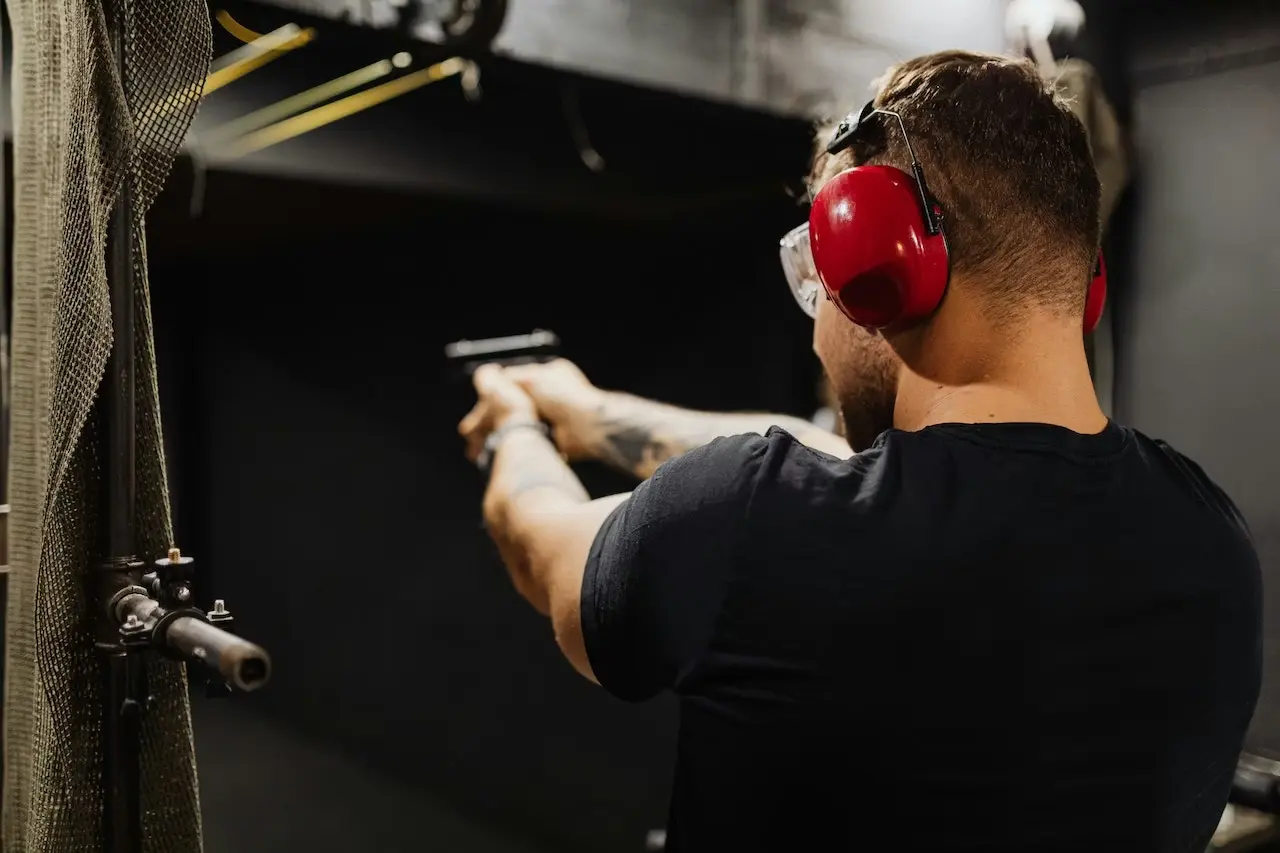
Armed security training is not just about carrying a firearm, it is about learning to think clearly, act responsibly, and protect people when things become unpredictable. A good program walks you through everything from basic guard licensing to advanced firearm qualifications, with classroom sessions on law and ethics and strict practical drills on safe handling, accuracy, and situational awareness, so when you are ready to move forward, contact Blackledge Security & Bondsman/BEA Training and take the first real step toward a more professional and prepared future in security.
Fun fact: Many new students are surprised to find that a huge part of the curriculum is about communication and de escalation, not just marksmanship, because most real world problems are solved with words, not bullets.
Sign 1: Your Motivation Runs Deeper Than “It Looks Cool”
If your main reason for wanting armed security training is “I like guns,” it is usually a sign you still have some thinking to do. People who succeed in this field tend to talk about wanting to protect others, support their families with a stable career, or move up from basic unarmed work into roles with more responsibility and trust. They understand that a firearm is a last resort tool, not a fashion accessory, and that they will be held to a higher standard than the average person. Solid training programs make this clear from day one by focusing heavily on legal topics, use of force policies, documentation, and the consequences of poor decisions. If those subjects interest you instead of scaring you off, it is a good indication your motivation is on the right track.
Sign 2: You Can Stay Focused When Stress Spikes
Armed security work can go from quiet to intense in a matter of seconds, so your ability to stay focused under pressure is a major sign you are ready. On the range, you might be asked to hit specific targets within tight time limits while hearing loud noise, following safety commands, and controlling your breathing. In the classroom, you are expected to absorb a lot of detailed information about laws, procedures, and report writing, then recall it accurately during tests and scenarios. If you already handle stressful situations at work or in your personal life without losing your temper or freezing up, that is a strong advantage. Proper training is designed to simulate pressure in a controlled way so that, by the time you qualify, staying calm and focused feels like second nature rather than something you hope will happen in the moment.
Sign 3: You Respect Risk And Daily Responsibility
Another sign you are ready for armed training is the way you treat everyday rules and responsibilities. People who excel in this field are usually the ones who double check locks, follow procedures even when nobody is watching, and speak up when something feels unsafe. When you carry a firearm, small lapses can have huge consequences, so habits like careful storage, regular maintenance, and honest documentation are non negotiable. Quality programs do not just show you how to shoot; they drill in legal standards, safe handling routines, and real case studies where things went wrong. That can feel intimidating at first, but if you find yourself leaning forward, taking notes, and asking questions about how to avoid those mistakes, you are probably mentally prepared for the responsibility that comes with a permit or advanced endorsement.
Sign 4: You Have Real Career Goals, Not Just A Short Term Job
Armed security training makes the most sense when it fits into a bigger plan instead of being a one time experiment. Maybe you want to move from entry level security shifts into higher paying armed posts, specialize in executive protection, or work toward supervisory or training roles. Many modern training providers create full career paths that start with basic guard licensing and build up to advanced firearm qualifications, defensive tactics, and even related courses in areas like first aid or bail enforcement. If you can picture yourself stacking credentials over the next few years, not just grabbing a single certificate for your wall, that vision will keep you motivated when the training gets tough. Fun fact: Instructors often notice that students with clear long term goals are the ones who show up early, ask the most questions, and end up mentoring new classmates later on.
Understanding Your Role In The Bigger Justice System
To really know whether you are ready, it helps to see armed security as one piece of a much larger public safety puzzle that involves law enforcement, the courts, and the bail process. A good example of this bigger picture is BailCo Bail Bonds at Manchester, CT, a dedicated bail bond agency that operates around the clock, every day of the year, to help people and families navigate the confusing period after an arrest. Instead of leaving loved ones to figure out complicated court paperwork and high bond amounts on their own, these agents walk them through each step, explain the legal terms in plain language, and help arrange release as quickly as possible within the law. They typically offer flexible payment options, accept multiple forms of payment, and sometimes provide simple tools that help estimate costs before any commitment is made. Just as important, many of these agencies focus on empathy and discretion, treating callers as regular people having one of the worst days of their lives, not as case numbers. When you understand that there are professionals supporting people after incidents happen, it can deepen your appreciation for your own preventive role in keeping situations from escalating in the first place.
How To Turn That Readiness Into Action
If you recognize yourself in these signs, the next step is choosing structured, state approved training that matches your ambition. Look for a program that combines guard licensing with progressive firearm instruction, written exams with realistic scenarios, and range work with serious discussions about law and ethics. Make sure it covers regular recertification and ongoing practice, not just a one time qualification, because skills that are not refreshed will fade. Be honest about your current fitness, mindset, schedule, and learning style, then commit fully once you enroll. Bring your curiosity, your respect for safety, and your long term career goals into every class session and range day. When your motivation, focus, sense of responsibility, and vision for the future all line up, armed security training stops being just another course and becomes the first big step in a professional journey that can genuinely make a difference in people’s lives.
Also Read