
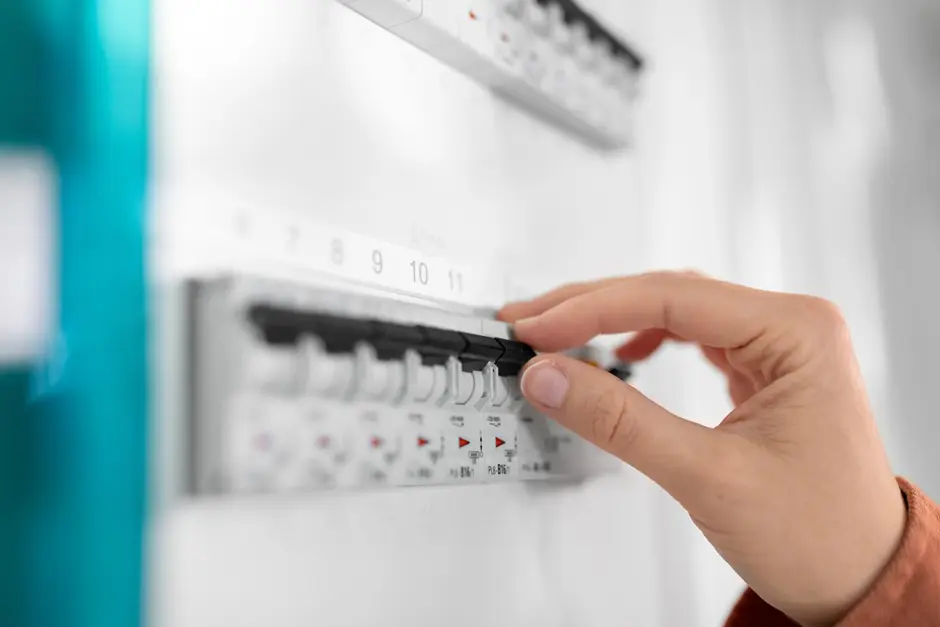
Reliable energy connections are essential for safe and steady performance in homes, offices, factories, and public facilities. Every time you switch on a light, charge your phone, or run a machine, you depend on a chain of electrical connections working properly.
When these connections are strong and secure, electricity flows smoothly. When they are weak or damaged, problems can quickly appear.
This article explains reliable energy connections in simple terms. It covers why they matter, what makes them dependable, and how proper care keeps electrical systems safe and steady. Read on.
What Is an Energy Connection?
An energy connection is any point where electricity passes from one place to another. This can include:
- Wires inside walls
- Outlets and switches
- Circuit breakers
- Connectors inside machines
- Grounding systems
All these parts must work together. If one connection fails, the entire system can be affected. Experts from organizations like the Institute of Electrical and Electronics Engineers (IEEE) create technical standards to guide safe electrical design.
Safety codes from the National Fire Protection Association (NFPA) also help reduce fire risks. These standards are widely followed around the world to improve safety and reliability.
Why Reliable Connections Are So Important
Reliable connections matter for three main reasons: safety, performance, and cost savings.
Safety
Loose or damaged connections can overheat. When electricity meets resistance at a weak point, heat builds up. Too much heat can melt insulation, damage equipment, or even start a fire.
Workplace safety agencies such as the Occupational Safety and Health Administration (OSHA) warn that electrical faults are a major cause of workplace accidents. Good connections help prevent shocks, sparks, and dangerous failures.
Steady Performance
When connections are secure, voltage remains stable. Devices receive the correct amount of power. Lights do not flicker. Machines do not shut down suddenly. Computers and sensitive electronics work without interruption.
Poor connections can cause:
- Flickering lights
- Tripped breakers
- Equipment overheating
- Unexpected shutdowns
- Data loss in digital systems
Reliable energy connections keep everything running smoothly.
Lower Costs
Electrical problems can be expensive. Equipment repairs, production downtime, and fire damage all cost money. Fixing issues early or preventing them altogether is far cheaper than dealing with major failures later.
Key Parts of a Reliable Energy Connection
Let’s look at the main elements that make electrical connections safe and steady. Here are some of them:
Quality Wires (Conductors)
Wires carry electricity from one point to another. The most common materials are copper and aluminum.
Copper is highly conductive and resists corrosion. It is strong and long-lasting. Aluminum is lighter and often less expensive, but it must be installed carefully to avoid loosening over time.
Using the right wire size is also important. If a wire is too small for the electrical load, it can overheat.
Proper sizing ensures safe power flow. Make sure to shop from a reputable seller when it comes to power cables.
Strong and Secure Terminations
A termination is the point where a wire connects to a breaker, terminal, or busbar. Many electrical failures start here.
If a screw is not tightened properly, the connection may loosen. Over time, vibration, temperature changes, or heavy loads can make it worse. Electricians use torque tools to tighten connections to the correct level.
This reduces resistance and prevents overheating. Modern connectors are designed to maintain constant pressure, helping connections stay secure for many years.
Grounding and Bonding
Grounding protects people and equipment. It provides a safe path for fault current to travel into the earth. If something goes wrong, the excess electricity moves away safely instead of passing through a person or device.
Bonding connects metal parts together so they stay at the same electrical potential. This prevents unexpected shocks. Without proper grounding and bonding, even a small fault can become dangerous.
Protective Devices
Circuit breakers and fuses protect systems from overloads and short circuits. If too much current flows, they automatically shut off power.
Newer breakers can detect arc faults or ground faults. These smart devices respond quickly, reducing fire risk and equipment damage. Surge protectors also help by shielding systems from voltage spikes caused by lightning or power grid switching.
The Role of Regular Maintenance
Even the best installation will not stay perfect forever. Over time, connections can loosen, corrode, or wear out. That is why regular inspection is important.
Maintenance tasks may include checking torque on terminals, inspecting for discoloration or burning smells, cleaning dust from electrical panels and using thermal cameras to detect hot spots. Thermal imaging is especially useful.
A hot connection often shows up clearly on a thermal scan before it fails completely. Fixing the issue early prevents bigger problems.
Large facilities often use monitoring systems that measure temperature, load, and voltage in real time. If something unusual happens, maintenance teams can respond quickly.
Reliable Connections in Renewable Energy Systems
Renewable energy systems such as solar panels and wind turbines depend heavily on reliable connections. Solar installations use:
- DC wiring from panels
- Inverters
- Combiner boxes
- Grid connection equipment
Each connection must handle specific voltage and current levels safely. A weak connection in a solar system can reduce efficiency or cause overheating.
Battery storage systems also require strong, low-resistance connections. During charging and discharging, high currents flow through cables.
Poor connections can waste energy and shorten battery life. As renewable energy grows worldwide, strong interconnections help keep the power grid stable and reliable.
Importance in Data Centers and Industry
Some facilities cannot afford even a few seconds of power interruption. Here are some of them:
Data Centers
Data centers power servers that support websites, banking systems, communication platforms, and cloud storage. These facilities use backup generators and uninterruptible power supplies (UPS).
However, even with backup systems, a loose connection can create serious downtime. Reliable energy connections ensure continuous operation and protect valuable digital information.
Manufacturing Plants
Factories depend on steady power to run machines, robotics, and automated systems. A small voltage drop can stop production lines and damage equipment.
In industrial settings, connections must withstand vibration, heat, and heavy loads. Careful installation and maintenance are essential for long-term performance.
Maintain a Good Electric Power at Home
Reliable energy connections are the hidden foundation of modern life. They power homes, businesses, hospitals, schools, factories, and data centers. When connections are strong and secure, electricity flows safely and smoothly.
When they are weak, the risks increase. By following the tips above, we can ensure safe and steady performance for years to come.
If you want to read more articles, visit our blog.
Also Read-