
Key Takeaways:
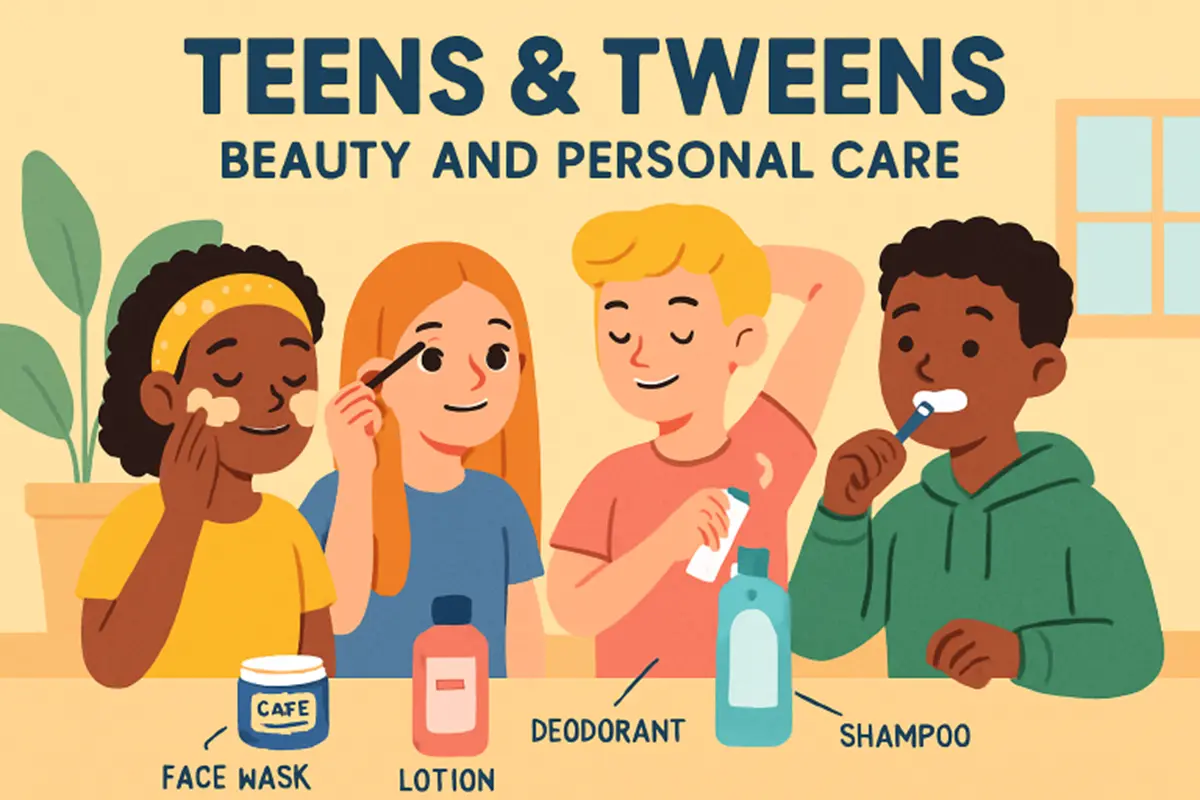
- Teen and tween consumers are having a significant influence on the consumer product market, particularly in the beauty and personal care sectors.
- Social media platforms play a pivotal role in shaping their purchasing decisions and brand preferences.
- Brands that engage with this demographic through authentic and interactive content are more likely to succeed.
Introduction
The influence of teen and tween voices on the consumer product landscape is more powerful than ever. Whether it’s through their rapid adaptation to emerging trends or their growing presence on digital platforms, young consumers are rewriting the rules for brands. As companies adapt to these shifts, understanding the unique perspectives of this generation is essential. Many organizations turn to teen & tween product testing to gather crucial feedback and transform product development.
The rapid rise of Generation Z and Gen Alpha means that their preferences can quickly turn unknown brands into household names. This group, aged primarily between 8 and 18, is not only an early adopter but also a passionate advocate for authenticity and inclusivity. Their influence extends across categories, but is particularly pronounced in beauty and personal care, where identity and self-expression are paramount.
Modern digital ecosystems enable these young voices to travel further and faster than in previous decades. Brands that capture their attention are often rewarded with vocal, loyal communities and viral momentum. However, this influence is not static — it is shaped by constantly evolving trends and social conversations.
A brand’s ability to thrive with this demographic hinges on listening to, engaging with, and acting on the feedback of teens and tweens. Understanding their consumer behaviors provides brands with insights that drive more than just sales—it forges stronger, more conscious brand-market alignments in an era defined by choice and customization.
For brands, early engagement builds a foundation for long-term loyalty. Capturing consumer attention at the beginning of someone’s beauty journey enables companies to establish authentic relationships that can endure into adulthood.
The Influence of Social Media
Digital natives, teens, and tweens heavily rely on platforms such as TikTok, Instagram, and YouTube to explore and validate their beauty and personal care choices. An estimated 70% of American teenagers use TikTok at least once a month, according to a report by Statista.
Peer reviews, video tutorials, and viral “get ready with me” content fuel experimentation and brand discovery. Trends can surge overnight: a single endorsement by a popular beauty creator can drive not only sales but also make or break a product’s reputation. Teens value authenticity, gravitating toward brands and influencers who mirror their own experiences and values.
This dynamic puts pressure on brands to remain agile and responsive. Negative feedback spreads just as quickly as positive feedback, and brands must engage with grace and authenticity to maintain trust and attention in this fast-paced environment.
Gender Inclusivity in Beauty Products
The narrative around beauty and self-care is evolving. No longer restricted to girls, the conversation increasingly includes teen boys, who are more open than ever to discussing skincare and grooming routines. Recent surveys suggest that 70% of teenage boys now discuss beauty with friends, and approximately 90% are open to using skincare products they feel confident with.
This progress is reflected in the market, where brands are expanding their gender-neutral lines and positioning products without relying on stereotypes. For example, major retailers feature more inclusive campaigns while independent labels push for diverse representation and voice. Marketing to all genders, languages, and identities ensures a wider reach and stronger loyalty.
Omnichannel Shopping Preferences
Despite being digital-first, teens often blend online and in-store experiences when shopping for beauty and personal care products. About 80% report making purchases through multiple channels, while nearly half prefer the hands-on, tactile benefits of in-store shopping. Yet, many people desire autonomy—preferring to browse and select products with minimal interaction with sales associates.
This shift underscores the importance of seamless, omnichannel retail strategies. Brands that offer engaging online experiences, easy product education, and convenient pick-up or delivery options best serve the modern young consumer. Technology-enabled shopping, such as AR makeup try-ons or digital loyalty programs, is increasingly expected by this cohort.
Brand Loyalty and Practicality
Contrary to stereotypes, many teens and tweens are loyal to proven, affordable brands. Reliable, accessible options—like e.l.f., which has seen notable year-over-year popularity gains—continue to dominate over fleeting trends. A pragmatic approach to spending and a desire for consistent results drive this loyalty.
For brands, consistency, transparency, and practical value are just as important as novelty or hype. The winning formula combines both innovation and reliability, ensuring products consistently deliver on promises while remaining within reach for young consumers.
This practicality extends to repeat purchasing and advocacy—teens who trust a brand often become vocal supporters, amplifying messages through peer networks.
Parental Influence on Purchases
Even as teens and tweens become more independent in their choices, parents continue to exert considerable influence over what they purchase. About half of all beauty buys for this demographic are parent-driven—especially for younger consumers and large-ticket items.
Interestingly, older tweens and teens are also educating their parents, particularly in areas like skincare routines and ingredient awareness. This bidirectional influence underscores the interconnectedness of family shopping habits and the need for brands to communicate benefits that appeal to both generations.
Offering educational resources, transparent ingredient lists, and clear benefits positions brands to satisfy both teens and their parents, supporting confident purchase decisions from both ends.
Final Thoughts
The power of teen and tween voices in shaping consumer products is profound. Their early engagement, digital fluency, and evolving expectations force brands to innovate, communicate authentically, and prioritize inclusivity across touchpoints. Companies that invest in listening to this demographic—and designing with their needs in mind—will not only seize short-term growth but also build enduring, next-generation brand relationships.
Also Read-How LATAM’s Tech Talent Is Driving Digital Transformation Globally