
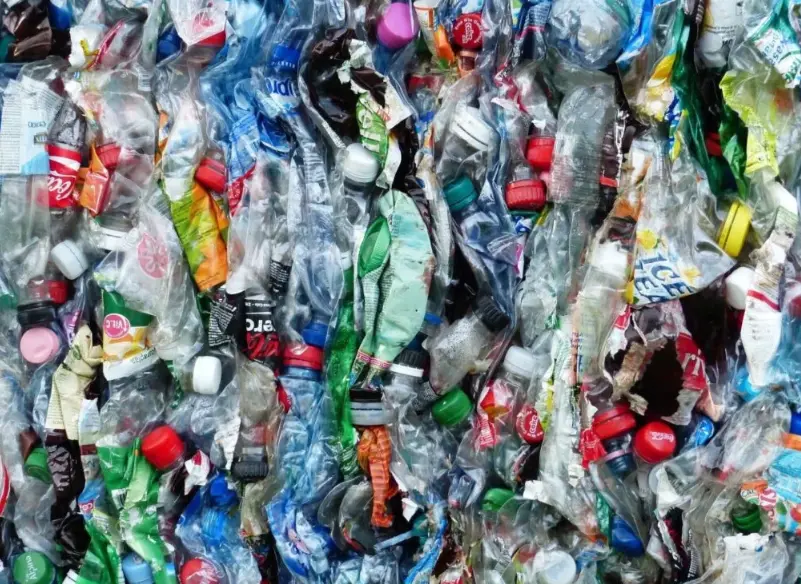
Have you ever wondered how waste can become useful again in a circular economy? Mechanical purification plays a key role in making that possible. It helps clean and prepare materials so they can be reused instead of thrown away. This process supports sustainability and reduces pollution.
Many industries now depend on it to improve recycling outcomes. This makes mechanical purification even more important today. If you want to understand how industries can reduce waste and save resources, this topic is worth exploring today.
What Is Mechanical Purification?
Mechanical purification is a process that removes dirt, contaminants, and unwanted materials from waste. It uses machines instead of chemicals to clean and sort items. This makes it safe and cost-effective for many industries.
The process is common in recycling systems around the world. It works well for materials like plastic, metal, and glass. It also helps reduce the need for harmful cleaning agents.
It focuses on physical methods like washing, filtering, and separating. These steps prepare materials for reuse in production. Clean materials are easier to process and have better value.
The process also improves the quality of recycled goods. It is a simple but powerful method in modern waste management. Many facilities rely on it every day.
Understanding the Circular Economy
A circular economy aims to reduce waste and keep materials in use for as long as possible. It focuses on reuse, recycling, and regeneration. This model is different from the traditional linear economy, which follows a “take, make, dispose” approach.
It encourages smarter use of resources. It also supports long-term sustainability. Many countries are adopting this model to reduce waste. In a circular system, products are designed to last longer and be reused. Waste becomes a resource instead of a problem.
Mechanical purification supports this goal by making materials reusable again. It plays a key role in closing the loop of production. This helps reduce environmental damage over time. It also supports responsible consumption.
Importance of Clean Materials
Clean materials are important for recycling to work well. Dirty or mixed waste can damage machines and lower product quality. Mechanical purification ensures that materials meet industry standards. It also improves safety in recycling plants. Workers are less exposed to harmful substances. This creates a safer working environment.
It also helps reduce health risks for workers. Clean inputs lead to better outputs. This improves efficiency across the recycling process. High-quality materials are easier to sell and reuse. This creates a stronger recycling market. It also builds trust in recycled products.
Key Processes in Mechanical Purification
Mechanical purification includes several steps such as sorting, washing, and drying. Sorting separates materials like plastic, metal, and glass. Washing removes dirt, labels, and oils. Each step is carefully designed to improve material quality. Machines handle large volumes quickly and efficiently. This saves time and labor.
Drying prepares the material for the next stage of production. Each step is important for achieving high-quality results. These processes work together to create usable raw materials.
The system can be adjusted based on the type of waste. This flexibility makes it useful in many industries. It also allows better customization of operations.
Role in Plastic Recycling
Mechanical purification plays an important role in plastic recycling. It helps remove dirt, labels, and other unwanted materials from used plastics. This process makes the plastic clean and ready for reuse. Without proper cleaning, recycled plastic cannot be used for high-quality products.
A key part of this system is the plastic recycling washing line. It washes and separates plastic waste in a structured way. This helps improve the quality of recycled materials.
Clean plastic is easier to process and reuse in new products. It also reduces waste and supports a more sustainable system. By improving purity, recycling becomes more efficient and reliable.
Environmental Benefits
Mechanical purification reduces the amount of waste sent to landfills. It also lowers the need for new raw materials. This helps conserve natural resources like oil and minerals. Less waste means less pollution in land and water. It also supports cleaner communities. This leads to better public health.
The process also reduces pollution and energy use. Cleaner recycling systems lead to a healthier environment. This supports global efforts to fight climate change. It also protects wildlife and ecosystems. The benefits are both local and global. Future generations will benefit from these actions.
Economic Advantages
Using mechanical purification can save money for businesses. Clean materials are easier to process and have higher value. This increases profits in recycling industries. It also reduces waste management costs. Many companies see long-term savings. This improves business performance.
It also creates jobs in waste management and recycling sectors. A strong circular economy supports economic growth. Companies benefit from lower costs and better efficiency. It also opens new market opportunities. This makes it a smart investment for the future. It encourages innovation and growth.
Challenges and Limitations
Despite its benefits, mechanical purification has some challenges. It may not remove all types of contamination. Some materials require chemical or advanced treatment. This can increase costs and complexity. Not all systems are suitable for every type of waste. This limits its use in some cases.
The cost of machines and maintenance can also be high. However, ongoing innovation is helping improve these systems. New technologies are making the process more effective. Training workers is also important for success. These challenges can be managed with proper planning. Continuous improvement is key.
Future of Mechanical Purification
The future of mechanical purification looks promising. New machines are becoming more efficient and affordable. Automation is improving sorting and cleaning accuracy. Smart systems can now detect and separate materials better. This increases overall performance. It also reduces human error.
As awareness grows, more industries are adopting circular practices. Governments are also supporting recycling efforts. Mechanical purification will continue to play a key role in this transition. Investments in technology will drive further progress. The future is focused on sustainability and efficiency. More partnerships will support growth.
Learn All About Mechanical Purification
Mechanical purification is essential for a successful circular economy. It helps turn waste into valuable resources.
By cleaning and preparing materials, it supports recycling and reuse. It also improves product quality and reduces waste. This makes it a vital part of modern industry.
Did you enjoy reading this article? If so, then be sure to check out the rest of our blog for more!
Also Read