
Understanding Sensory Marketing in Dentistry
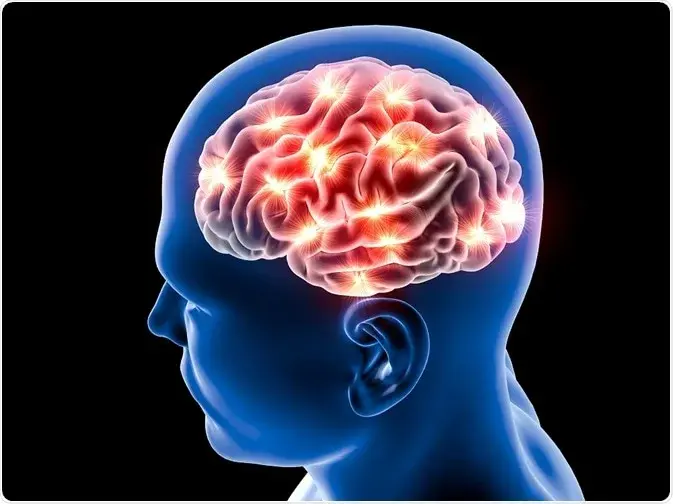
The realm of dental marketing continues to evolve, incorporating innovative approaches to create memorable patient experiences. One fascinating aspect gaining attention is the application of synesthesia – a neurological phenomenon where the stimulation of one sensory pathway leads to automatic, involuntary experiences in another sensory pathway.
The Science Behind Sensory Integration
Synesthesia in marketing represents a powerful tool for creating multi-sensory brand experiences. Research on sensory marketing techniques demonstrates that engaging multiple senses simultaneously can significantly enhance brand recognition and patient engagement. When applied to dental practices, this approach transforms traditional marketing strategies into immersive experiences.
Colour Psychology in Dental Environments
The strategic use of colour in dental practice marketing materials and environments plays a crucial role in patient perception. Studies exploring the impact of colour psychology in healthcare settings reveal that certain hues can influence patient comfort levels and perception of care quality.
Creating Multi-Sensory Patient Experiences
Modern dental marketing strategies increasingly focus on developing comprehensive sensory experiences. This approach encompasses:
- Visual elements: Carefully selected colour schemes and lighting
- Auditory components: Soothing background music and positive communication
- Olfactory considerations: Pleasant, subtle fragrances
- Tactile experiences: Comfortable furnishings and equipment
Digital Integration and Sensory Marketing
The digital landscape offers unique opportunities for implementing synesthetic principles in dental marketing. Modern digital marketing strategies incorporating sensory elements can create powerful emotional connections with potential patients, even before they visit the practice.
When designing websites and social media content, dental practices can utilise specific colour combinations, typography, and imagery that work together to create a cohesive sensory experience. This approach helps establish a strong brand identity while making the digital presence more engaging and memorable.
The integration of video content further enhances this multi-sensory approach, allowing practices to showcase their environment and services in a way that appeals to various sensory channels simultaneously. Through careful consideration of visual and auditory elements, these digital materials can effectively communicate the practice’s commitment to patient comfort and care.
Implementing Synesthetic Principles
The practical application of synesthetic principles in dental marketing requires careful consideration of various elements that work together harmoniously. Successful implementation involves creating a consistent sensory experience across all patient touchpoints, from initial contact through to treatment completion.
Environmental Design Considerations
The physical environment of a dental practice plays a vital role in patient perception and comfort. When designing practice spaces, consideration should be given to:
- Lighting arrangements that create a welcoming atmosphere
- Textural elements that promote comfort and cleanliness
- Acoustic treatments that minimise anxiety-inducing sounds
- Visual elements that distract and soothe
Staff Training and Sensory Awareness
Practice staff members play a crucial role in delivering a cohesive sensory experience. Training should emphasise the importance of maintaining consistent sensory elements throughout patient interactions. This includes appropriate voice modulation, professional presentation, and awareness of how different sensory elements affect patient comfort.
Measuring Sensory Marketing Success
Evaluating the success of sensory marketing initiatives requires both quantitative and qualitative assessment methods. Dental practices can gather valuable feedback through:
- Patient satisfaction surveys focusing on sensory experiences
- Analysis of patient retention rates
- Monitoring social media engagement and reviews
- Tracking new patient referrals
Future Developments in Sensory Marketing
The future of dental marketing lies in the continued evolution of sensory integration techniques. As understanding of synesthesia grows, dental practices will have access to increasingly sophisticated tools for creating memorable patient experiences. This development will likely include advanced digital technologies that can further enhance the multi-sensory aspects of dental marketing.
The integration of virtual and augmented reality technologies presents exciting possibilities for creating immersive experiences that engage multiple senses simultaneously. These innovations could revolutionise how dental practices approach patient communication and marketing strategies.
Moving Forward with Sensory Integration
The application of synesthetic principles in dental marketing represents a significant opportunity for practices to differentiate themselves while creating positive patient experiences. By understanding and implementing these principles effectively, dental practices can develop marketing strategies that resonate deeply with patients on multiple sensory levels. This holistic approach to dental marketing continues to demonstrate its value in creating lasting connections with patients while fostering practice growth.
Any surgical or invasive procedure carries risks. Before proceeding you should seek a second opinion from an appropriately qualified health practitioner.
Also Read-How Digital Annotation Enhances Personal Productivity