
Key Takeaways
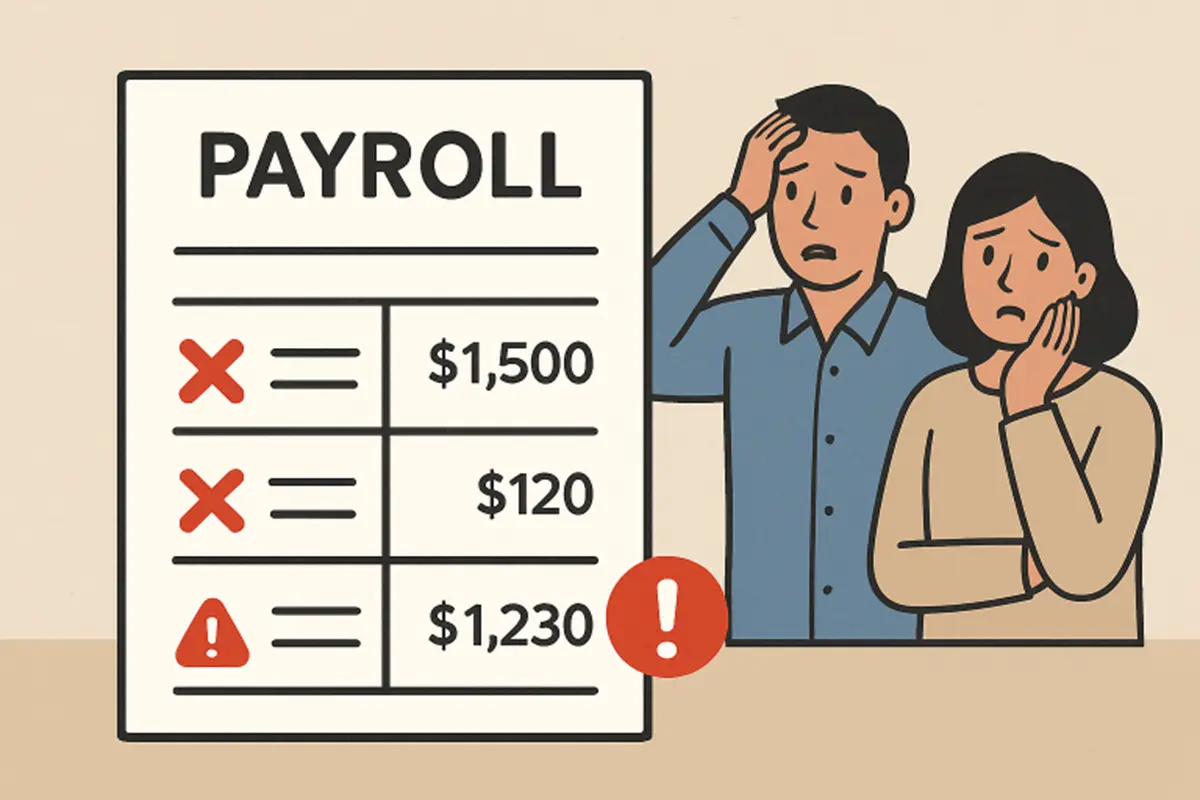
- Payroll accuracy is crucial for maintaining financial health, ensuring compliance, and fostering employee trust.
- Common errors—such as misclassifications, late payments, and incorrect tax withholdings—can result in significant financial and legal repercussions.
- Automation and regular audits help detect and prevent costly mistakes.
- Employee training and staying current with payroll regulations strengthen organizational resilience.
- Technology-driven payroll systems improve efficiency, transparency, and compliance, supporting long-term business success.
Introduction
Accurate payroll is the backbone of any successful business operation. For businesses of all sizes, payroll represents both a significant operational function and a key driver of employee satisfaction. When payroll errors occur, their effects extend far beyond a slight inconvenience, impacting financial stability, compliance, and employee morale. In today’s competitive and ever-evolving business landscape, avoiding payroll pitfalls is essential not only for meeting local and federal regulations but also for the health and competitiveness of a company. For Canadian organizations and those managing cross-border operations, understanding and efficiently managing payroll in Canada is a vital step toward mitigating risk and achieving strategic success, as payroll rules can differ significantly between provinces and countries.
Payroll mishaps can cause unforeseen complications that multiply quickly. Not only do they affect company expenditures, but they can also damage relationships with staff and trigger compliance issues with both tax authorities and labor regulators. These mistakes can result in wasted time, legal costs, and even organizational setbacks when dissatisfied employees choose to leave. Taking proactive steps to prevent these problems ultimately protects a business’s reputation, its bottom line, and its ability to compete for top talent in the industry.
Financial Impact of Payroll Errors
Payroll errors add up quickly, often more than many businesses realize. According to a survey by Ernst & Young, one in five payroll errors in the U.S. costs an average of $291. When you extrapolate this cost to organizations with even 1,000 employees, this could mean nearly $1 million per year lost to mistakes that can usually be prevented with the right systems and checks—funds that could otherwise help power new growth initiatives, fund additional hiring, or drive innovation. The costs incurred aren’t limited to direct losses from overpayments or fines; they also include the valuable time payroll and HR staff spend correcting errors, responding to frustrated inquiries, and retroactively adjusting financial records. Additionally, there is lost productivity caused by these interruptions, which can snowball into further business disruption, missed deadlines, and client dissatisfaction.
When businesses underestimate the cumulative cost of payroll errors, they risk underfunding critical business initiatives and diverting resources toward damage control. In an era where operational efficiency is paramount, these financial drains are unsustainable for any organization hoping to compete strategically or grow sustainably. Proactively investing in payroll accuracy directly improves a company’s capacity to invest elsewhere—and avoids a drain on capital that may otherwise go unnoticed until it’s too late.
Common Payroll Mistakes
Inaccurate Time Tracking
Errors in recording work hours can lead to overpayments or underpayments—either of which can seriously strain employer-employee relations and regulatory compliance. Manual entry increases the risk of errors, particularly when complex schedules, multiple pay rates, shift differentials, or overtime calculations are involved. Even small errors can compound over multiple pay periods, resulting in larger issues that require significant time and resources to resolve. Utilizing automated solutions and digital time tracking tools helps reduce these risks by decreasing reliance on manual data entry and creating accurate records for audit and compliance purposes.
Misclassification of Employees
Misclassifying workers as independent contractors rather than employees can result in significant tax liabilities, unpaid benefits, and substantial fines. This mistake often occurs when businesses grow rapidly without established payroll processes or clear HR guidelines in place. According to the CNBC report, misclassification remains a major source of tax audits and penalties for many organizations, as regulatory bodies are cracking down aggressively. Incorrect classification also exposes businesses to lawsuits over unpaid wages, overtime, or benefits that would have been owed to a properly classified employee, compounding financial and reputational risks.
Late or Missed Payments
Failing to pay employees on time undermines trust, causes dissatisfaction, and, in certain jurisdictions, opens the company up to formal complaints, penalties, or lawsuits. Payment delays disrupt employees’ lives and financial commitments, and persistent issues will ultimately drive talent away. Timeliness and accuracy must go hand in hand for a reliable payroll process—any gaps or lapses erode worker confidence and may even spark labor relations issues in unionized environments.
Incorrect Tax Withholdings
Errors in withholding and remitting taxes can result in hefty fines from tax authorities and painful year-end corrections for employees. In Canada and many other countries, keeping up with ever-changing local, provincial, and federal tax regulations is a crucial part of payroll management. Failure to do so can result in remittance penalties, interest charges, and dissatisfied staff who may receive unexpected tax bills or delayed tax returns. Staying current with payroll tax rates, benefit calculations, and regulatory changes is a non-negotiable enforcement matter for any HR or payroll department.
Legal and Compliance Risks
The legal ramifications of payroll mistakes can be far-reaching and unexpectedly severe. Non-compliance with tax or labor laws can result in government fines ranging from 2% to 15% of the unpaid amount, with penalties escalating the longer an error persists. Audits, triggered by simple errors or patterns of payroll mistakes, can uncover additional problems and generate more liability. Moreover, persistent payroll errors expose businesses to the risk of employee lawsuits, which further inflate the costs and risks associated with poor payroll practices. As outlined by the Forbes Advisor on payroll compliance, understanding the legal landscape is a critical step in avoiding costly errors. The complexity of payroll compliance has only increased as the regulatory landscape evolves, with additional legal obligations for leaves, benefits, and remittances becoming commonplace in many provinces and states.
Impact on Employee Morale and Retention
Reliable payroll isn’t just about numbers; it’s fundamentally about people. Consistently making and receiving correct and timely payments demonstrates respect and reliability, two qualities that employees look for in an employer. Studies show that 49% of employees would consider switching jobs after experiencing just two payroll errors. High turnover rates disrupt operations, weaken teams, and drive up recruiting and training expenses, which can be as high as twice an employee’s annual salary or more for specialized positions. Over time, this drain on resources and institutional knowledge undermines business continuity and overall organizational growth. Furthermore, demoralized or distrustful employees are less engaged, less productive, and more likely to share negative feedback about the company, creating brand and culture issues that are difficult to repair.
Strategies to Prevent Payroll Errors
- Automate Payroll Processes: Deploying reliable payroll software reduces the likelihood of human error, eliminates many manual steps, and ensures that payments are consistently timely and accurate. Automated systems also help track changing statutory requirements, provide built-in checks for compliance, and allow cost-effective scaling as the business grows.
- Regular Audits: Periodic review of payroll records enables the early detection and correction of discrepancies, ensuring ongoing alignment with company policies and external regulations. Establishing scheduled audits helps reinforce accountability and identify problematic trends before they become major issues, saving significant time and costs in the long run.
- Employee Training: Training staff on timekeeping and payroll protocols distributes responsibility and builds organizational resilience against errors. Well-informed employees are significantly less likely to make mistakes, and they serve as an additional safeguard in identifying discrepancies before they negatively impact payroll cycles.
- Stay Updated on Regulations: Staying informed about tax law and labor regulation changes is crucial for minimizing risk. Setting up regulatory update alerts, subscribing to compliance newsletters, or partnering with a payroll expert helps ensure timely and informed compliance.
Leveraging Technology for Payroll Accuracy
Technology has become a cornerstone of modern payroll accuracy and compliance. Beyond basic automation, today’s advanced payroll platforms offer integrated features such as real-time tax updates, robust audit trails, customizable reporting, and seamless time-tracking integrations with HR systems. Investing in these solutions not only streamlines compliance and reduces costly errors, but it also enhances overall productivity and employee satisfaction. Leading payroll solutions support employee self-service portals, which further minimize administrative errors by allowing staff to quickly check their records, request changes, or flag issues. This two-way transparency fosters trust and accountability, while also freeing up HR and payroll professionals to focus on higher-value work.
Final Thoughts
Payroll errors impose significant financial, legal, and operational risks on organizations. However, with deliberate investment in accurate processes, ongoing employee education, and strategic adoption of modern payroll technology, businesses can minimize these risks and unlock new advantages. A focus on payroll accuracy does more than safeguard the company’s resources and reputation—it also fosters a positive work environment where employees feel valued and secure. In a landscape where talent retention and operational efficiency are vital to survival and growth, prioritizing payroll accuracy is more crucial than ever, demonstrating the strategic foresight of a truly competitive business.
Also Read–How Reliable Uptime Drives Better Business Continuity