
Key Takeaways
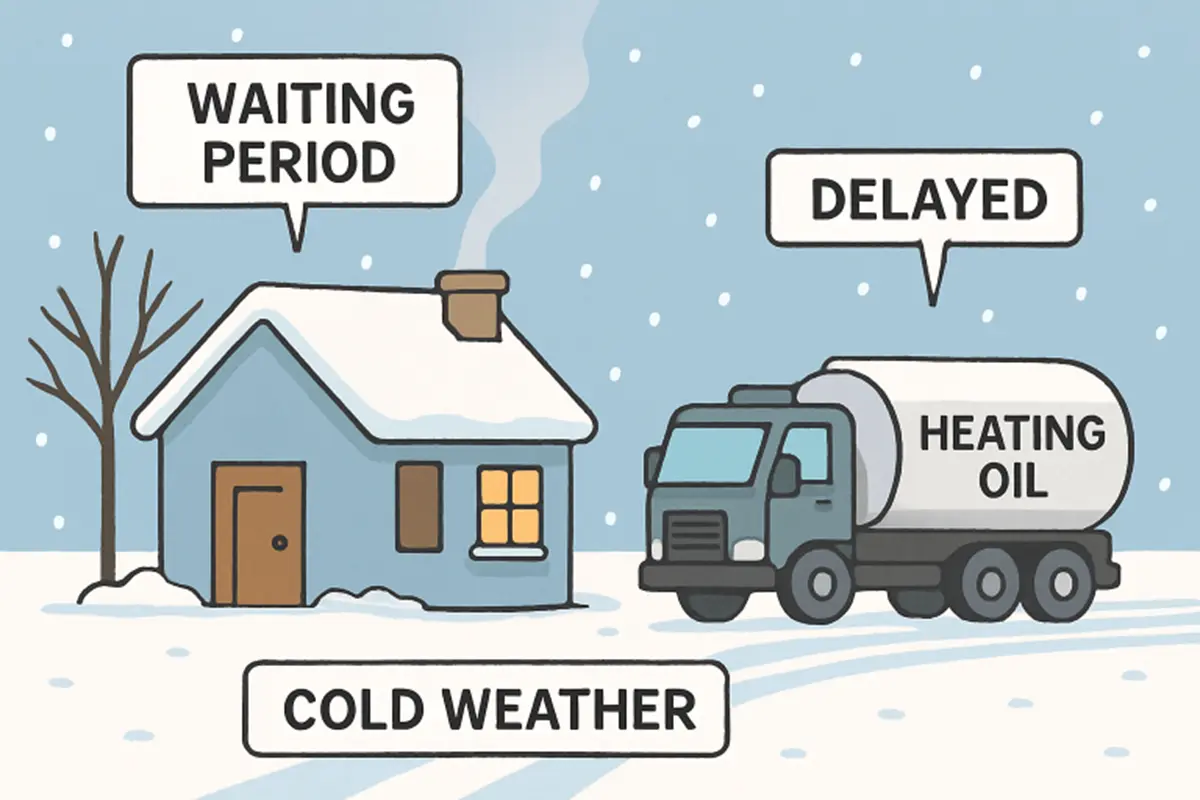
- Delayed heating oil deliveries can lead to discomfort, safety risks, and business disruption.
- Understanding common causes and having a plan reduces hardship during shortages.
- Proactive monitoring, regular maintenance, and awareness of assistance programs are essential for readiness.
Understanding the Impact of Heating Oil Delivery Delays
Winter can bring severe cold snaps, making reliable heating essential for both families and businesses. When a heating oil delivery is delayed, the consequences can escalate quickly. Not only can uncomfortable living conditions arise, but the threat of frozen pipes and even health complications also increases, especially for vulnerable populations. This makes preparing for supply interruptions a non-negotiable part of using cash heating oil services.
For those relying on scheduled deliveries and single-tank reserves, the risk is particularly acute. Businesses may face operational interruptions, leading to financial losses and diminished customer trust. Households can experience anything from increased anxiety to dangerous exposure to the cold. Early recognition and preparation are key to managing these risks in the event of an unexpected delay.
Having a well-thought-out contingency plan ensures that your home or business remains safe and operational until the supply is restored. Planning also helps prevent emergencies when winter demand peaks or road conditions deteriorate due to ice and snow.
It’s crucial to understand these potential impacts so that you can establish alternative heating sources, contact your supplier promptly, and take steps to conserve fuel while waiting for delivery.
Common Causes of Delivery Delays
- Severe Weather Conditions: Heavy snowfall, ice storms, and blizzards can halt delivery trucks or block local roadways, making timely deliveries impossible.
- Increased Demand: Prolonged cold spells or sudden temperature drops can spike demand for heating oil, straining the capacity of distributors.
- Supply Chain Disruptions: Mechanical breakdowns, fuel shortages at distribution hubs, or logistical snags may slow deliveries to a crawl.
- Labor Shortages: A shortage of trained drivers and staff can significantly impact delivery schedules, particularly during periods of high demand.
Immediate Steps to Take During a Delay
- Conserve Existing Fuel: Set your thermostat a few degrees lower and keep doors and windows closed to extend your supply.
- Use Alternative Heating Sources: Consider using electric or kerosene space heaters, wood stoves, or fireplaces if they are safe and available. Always follow safety guidelines and maintain ventilation to prevent carbon monoxide buildup.
- Contact Your Supplier: Reach out for updates on your order and inquire about emergency or expedited delivery options.
- Seek Emergency Services: Some heating oil providers or local organizations offer emergency deliveries, albeit at a premium. Ask about this option if your levels are critically low.
Preventive Measures to Avoid Future Delays
- Regularly Monitor Fuel Levels: Check your oil tank frequently, especially during winter, and reorder before you reach the emergency mark.
- Schedule Deliveries in Advance: Arrange refills ahead of winter or forecasted storms to avoid peak times.
- Enroll in Automatic Delivery Programs: Many suppliers analyze your usage and temperature data to schedule deliveries, helping you avoid shortages.
- Maintain Your Heating System: Routine inspections and servicing boost efficiency, helping you consume less oil and stretch your reserves further.
Understanding Supplier Policies and Emergency Protocols
Each heating oil company has its own approach to delivery schedules, emergency orders, and associated fees. Review your provider’s policies before winter arrives, focusing on how they handle delays, what constitutes an emergency, and any additional charges that may apply. If you’re unsure, ask your supplier directly for details on backup options and customer support procedures during severe weather.
Community Resources and Assistance Programs
Assistance is often available at the community level for those struggling with heating emergencies. Many municipalities and states offer heating oil assistance to low-income households through programs such as the Low-Income Home Energy Assistance Program (LIHEAP). Nonprofit groups may also provide vouchers or emergency funds, especially during extreme cold. Creating connections with neighbors offers another layer of preparedness, enabling resource sharing and check-ins during extended shortages.
Staying Informed and Prepared
Being proactive is essential to minimizing disruptions. Monitor reliable weather forecasts through sources like the National Weather Service and track any advisories related to fuel shortages. Awareness of incoming storms, regional delivery issues, or changes in heating oil prices helps you time your orders and avoid emergencies. Preparedness ensures your safety, regardless of outside circumstances.
Final Thoughts
Heating oil delivery delays are an unavoidable risk during winter, but with knowledge and preparation, their impact can be managed. By staying informed, conserving fuel, utilizing alternative heat sources, and taking advantage of both preventive strategies and community resources, you can safeguard your household or business against the worst-case scenario. Being proactive today means a warmer, safer winter, regardless of how unpredictable the weather turns out to be.