
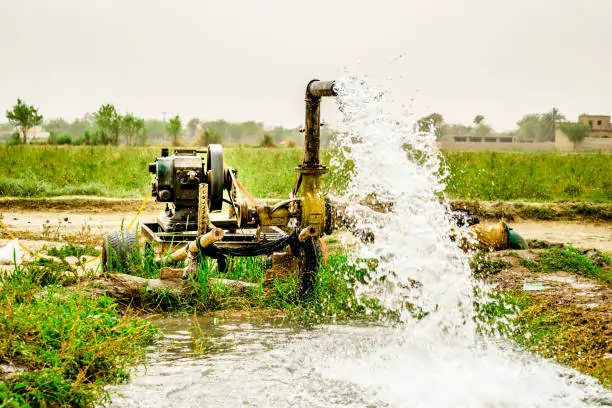
Drilling a well is a smart investment, offering a reliable long-term water solution, especially for rural or off-grid properties. In areas without municipal water systems, wells are vital for clean, dependable water access. Whether you’re developing residential land, supporting agriculture, or aiming for water independence, it’s important to understand each step of the well drilling process. Well drilling in Utah involves careful planning, permits, expert assessments, and ongoing maintenance. Knowing what to expect before, during, and after drilling can help you avoid delays, reduce costs, and ensure a smooth process.
Before Drilling: Planning and Permits
Site Evaluation and Water Needs
Before drilling, assess your property and water needs. Estimate daily water usage, pinpoint potential drilling locations, and consider future expansion. Different properties, such as homes, farms, or businesses, will require varying flow rates and depths. Experts can evaluate your land’s topography, soil, and aquifer proximity. A well’s success often depends on factors like rock formations, rainfall, and groundwater levels.
Permits and Regulations
Utah requires landowners to obtain proper permits before any well drilling begins. These include:
- Drilling Permits: Required from the Division of Water Rights.
- Water Rights Application: A legal approval to divert and use groundwater.
- Contractor Licensing: Only licensed well drillers may perform the work.
These regulations ensure that well drilling does not impact existing water users or harm the environment. Understanding the legal side of the process helps prevent delays and keeps the project compliant.
During Drilling: The Process Unfolds
Equipment Mobilization and Setup
Once permits are secured and the site is approved, the drilling crew will bring specialized equipment to your property. This includes drilling rigs, water tanks, and casings. The team will prepare the area by clearing brush, ensuring access, and confirming safety zones.
Drilling the Borehole
Drilling begins with creating the borehole that will serve as the path to reach groundwater. The process involves:
- Drilling through rock and soil layers
- Inserting casing to prevent collapse
- Sealing the well with grout to protect against contamination
Depth, typically 100-500 feet, depends on geology and water needs. Drillers continuously monitor for water-bearing formations.
Water Flow Testing
Once water is reached, the flow rate is tested to determine how much water the well can deliver. A good yield ensures that the well can meet your household or agricultural demands without strain on the aquifer.
After Drilling: Final Steps and Maintenance
Pump Installation and System Setup
After the well is successfully drilled and tested, a pump system is installed to bring the water to the surface. The setup may include:
- A submersible pump placed deep within the well
- Pressure tanks to regulate flow
- Electrical connections and plumbing to the property
At this stage, your water system is functional and ready to use. Depending on your land layout, additional work like pipe trenching or building a well house may be needed.
Water Quality Testing
Before using the water, it’s essential to conduct a full water quality test. This test checks for:
- Bacteria (such as E. coli)
- Heavy metals or minerals (like arsenic or iron)
- pH levels and hardness
- Nitrates or other agricultural contaminants
Safe water is crucial for drinking, cooking, and bathing. If the tests reveal any issues, treatment systems like filters or softeners may be recommended.
Regular Maintenance
Even after the well is operational, ongoing care is necessary. Routine maintenance includes:
- Annual water quality testing
- Inspecting pumps and pressure systems
- Cleaning the well casing
- Monitoring water output and noticing any sudden drops
Neglecting maintenance risks equipment failure, contamination, or dry wells. Monitoring your system protects your investment from shifting climate and soil conditions.
Key Considerations for Property Owners
Drilling a well in unique geographic conditions comes with both opportunities and challenges. The arid climate makes water conservation and well efficiency critical. In some areas, deeper water tables or rocky terrain can increase drilling depth and costs. Hiring experienced professionals who understand local drilling conditions ensures the process is safe and efficient. Being informed about every step—from permits to pumping systems—will help you plan for a successful project.
Read more: How Cultural Immersion Builds Confidence in Children – Blessingscore.com
Weed-Free Wonders: How to Keep Your Yard Looking Pristine All Season – Blessingscore.com
The Future of Landscaping Lies in Sustainability – Blessingscore.com