
Installing a new HVAC system is a major investment that directly affects your home’s comfort, air quality, and efficiency. Whether you are upgrading an outdated unit or building a new property, understanding the installation process helps you prepare for what lies ahead. A well-planned installation not only ensures long-term performance but also prevents common issues arising from improper setup. From evaluating your property’s layout to testing the new system, every step is designed to guarantee reliable heating and cooling for years to come.
Overview of the Installation Process
An HVAC installation involves more than just placing a new unit—it requires detailed planning and precision. The process begins with an assessment of the home’s size, insulation, and existing ductwork to determine the right system capacity. After selecting an appropriate model, technicians remove the old equipment and prepare the installation area. This phase may also include upgrading electrical connections, modifying ductwork, or installing new thermostats. Once the new system is in place, technicians connect the refrigerant lines, wiring, and vents before conducting performance tests. Homeowners are typically briefed about the system’s operation and maintenance before completion. Every detail, from equipment placement to final inspection, contributes to efficient, safe, and long-lasting HVAC performance.
Preparing Your Home for Installation Day
Before installation day, homeowners can take several steps to ensure a smooth process. Clear the work area around the indoor and outdoor units so technicians have full access. It’s also helpful to move fragile items or furniture to prevent accidental damage. The installation team will arrive with tools, equipment, and protective materials to safeguard your home during the procedure. At this stage, communication is essential—homeowners should ask questions and confirm project timelines. If you’re unsure about anything or want to schedule an assessment, don’t hesitate to get in Touch with your chosen HVAC provider to clarify details in advance. Being well-prepared minimizes disruptions and allows the technicians to complete the job efficiently and safely while respecting your property and time.
Removing the Old System Safely
The first major task during installation is safely removing the existing HVAC system. This step must be handled with care, especially if refrigerants are still present in the old unit. Technicians follow environmental safety regulations to recover refrigerant before dismantling the equipment. Once removed, they inspect the surrounding area, including ductwork and electrical wiring, to ensure everything meets current safety standards. Removing an old system also provides an opportunity to identify hidden issues such as leaks, rust, or inadequate insulation. These checks are critical because they affect the efficiency of the new installation. By carefully preparing the foundation for the new system, technicians ensure a cleaner setup process and help prevent potential malfunctions after installation.
Installing and Positioning the New Unit
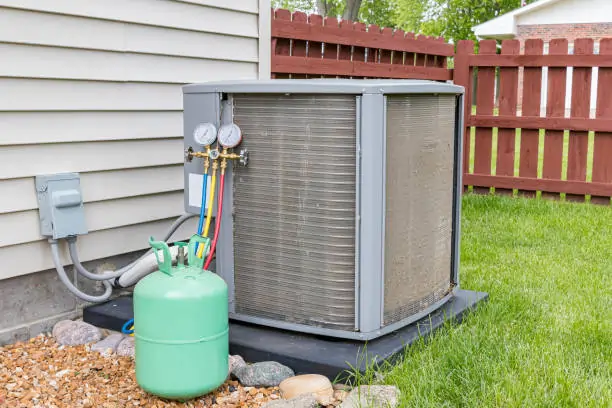
Positioning the new HVAC system correctly is key to optimal performance. Technicians begin by securely mounting the indoor and outdoor components in accordance with the system design. They ensure proper spacing around the outdoor condenser to promote unrestricted airflow and reduce noise levels. Inside the home, air handlers or furnaces are positioned to allow easy access for future maintenance. During this process, technicians connect refrigerant lines, electrical wiring, and drain systems while checking for alignment and stability. Proper positioning prevents vibration issues, improves airflow, and supports overall system balance. Once secured, the system is sealed and pressurized to confirm that no leaks or loose connections are present before proceeding to the testing phase.
Calibrating and Testing the System
After installation, technicians thoroughly test and calibrate the system to verify that all components function as intended. This includes checking thermostat accuracy, airflow strength, refrigerant pressure, and temperature regulation. Electrical connections are inspected for safety, and all mechanical parts are monitored to ensure smooth operation. Calibration ensures that the unit operates efficiently from the start, avoiding premature wear or excessive energy use. Homeowners are often shown how to adjust thermostat settings and monitor performance. These final checks not only confirm that the HVAC system meets manufacturer standards but also ensure the home achieves consistent comfort levels with balanced heating and cooling throughout every room.
Improving Efficiency with Proper Ductwork and Insulation
During installation, technicians may evaluate ductwork and insulation to ensure the new system performs at its full potential. Leaky ducts can waste significant amounts of energy and allow contaminants to enter the air supply. Sealing and cleaning ducts before connecting them to the new unit helps improve airflow and reduce utility bills. Similarly, proper insulation prevents conditioned air from escaping through walls or ceilings, allowing the HVAC system to maintain temperatures more efficiently. Technicians may also recommend adding return vents or adjusting duct layouts for better air distribution. Investing in duct and insulation improvements at the time of installation ensures maximum performance, energy savings, and cleaner indoor air for years to come.
Final Walkthrough and Maintenance Guidance
Before completing the project, the installation team provides a detailed walkthrough of the new system’s features and functions. They explain how to operate the thermostat, change filters, and identify signs of maintenance needs. Homeowners may also receive warranty details and maintenance schedules to protect their investment. This is an ideal time to ask about service plans or future tune-ups to keep the system running efficiently. A professional installation doesn’t end when the technicians leave—it continues through ongoing care and regular inspections. Understanding the basics of system operation and maintenance helps homeowners enjoy consistent comfort and avoid costly repairs in the long run.
An HVAC system installation is a structured process that blends careful planning, technical precision, and thorough testing to ensure comfort and reliability. From pre-installation preparation to post-installation guidance, every stage contributes to the unit’s long-term efficiency. Homeowners who stay informed and work closely with their installation team can expect smooth communication, professional handling, and lasting results. Once the system is installed, proper maintenance and regular servicing help preserve performance and air quality. Investing time and attention during installation ensures a home that remains comfortable year-round, supported by a system built to deliver efficient, dependable climate control for years to come.
Read more: The Difference Between Inpatient and Outpatient Alcohol Rehab Programs – Blessingscore.com
How Portland Plumbers Handle Sewer Line Replacements Efficiently? – Blessingscore.com
How Evidence-Based Practices Shape Therapist Training Programs? – Blessingscore.com