
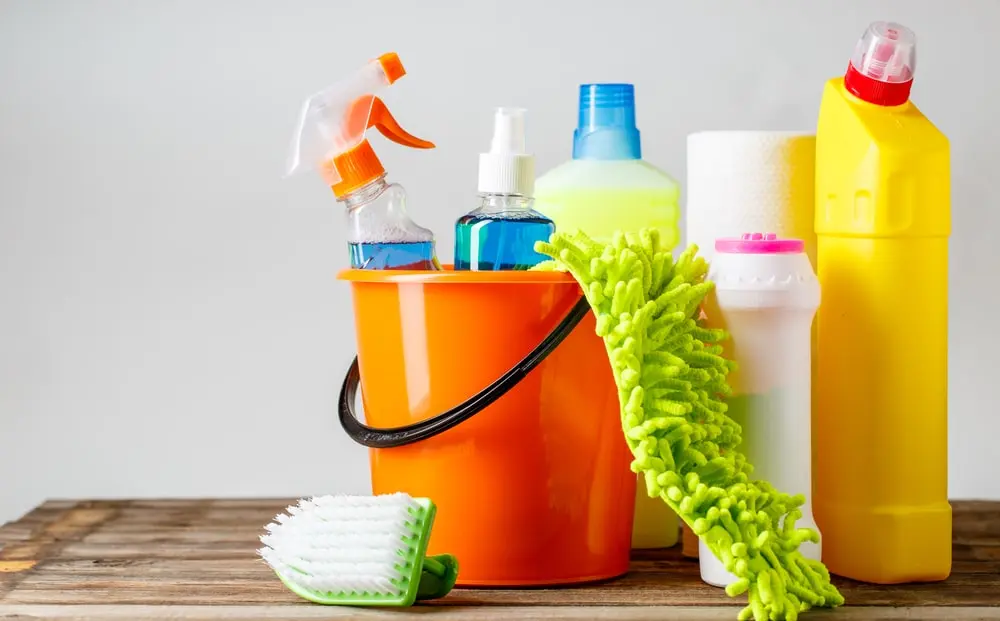
Keeping a workplace clean has always been important, but in today’s world, it’s become essential for safety, productivity, and overall well-being. Whether you manage a busy warehouse, an office building, a café, or a large manufacturing site, the cleaning products you choose play a huge role in maintaining a healthy environment. And with so many options on the market, picking the right commercial or industrial cleaning chemicals can feel overwhelming.
The good news? You don’t need to be a chemist to make smart choices. With a bit of understanding about how these products work—and what they’re designed for—you can build a reliable cleaning system that protects both people and equipment. Let’s break it down in a way that’s practical and easy to understand.
Why Choosing the Right Cleaning Chemicals Matters
Every workplace has its own cleaning challenges. A hospitality kitchen deals with grease and food residue, while a warehouse might struggle with dust, oil spills, or forklift tire marks. Offices, on the other hand, focus on disinfecting surfaces and reducing allergens. Using the wrong cleaning chemical in any of these environments can lead to poor results, wasted money, or even safety hazards.
For example, using a mild detergent on a heavy oil spill won’t just be ineffective—it could also make the floor slippery and dangerous. On the flip side, using a harsh industrial degreaser on delicate surfaces could cause damage and unnecessary wear.
Selecting the right products ensures:
- Better hygiene and sanitation
- A safer environment for staff and visitors
- Longer-lasting equipment and surfaces
- More efficient cleaning processes
- Compliance with workplace health standards
In many industries, cleaning isn’t just about appearance—it’s part of quality control. Just think about how crucial cleanliness is in food production, healthcare, or laboratories. Even something as simple as maintaining proper hygiene can support broader concepts, such as occupational safety, which has become a global priority.
Types of Cleaning Chemicals and What They’re Best Used For
Understanding the basic categories of cleaning chemicals helps you match the right solution to the right job. Here are the most common ones used in commercial and industrial environments.
1. Detergents
These are everyday cleaners used to remove dirt, dust, and light grime. They’re the go-to products for general cleaning in offices, schools, shops, and childcare centers. Detergents work by breaking down soil so it can be easily wiped or rinsed away.
Real-world example:
Think of cleaning staff wiping down desks, reception counters, or bathroom sinks. A good detergent is safe, easy to use, and effective without being too harsh.
2. Degreasers
Designed to break down oils, fats, and stubborn residues, degreasers are essential in commercial kitchens, factories, automotive workshops, and warehouses.
Common uses include:
- Removing cooking grease from exhaust hoods
- Cleaning machinery and mechanical parts
- Treating oil spills on concrete floors
A proper industrial degreaser can prevent accidents by eliminating slippery surfaces and improving workplace safety.
3. Disinfectants
These aren’t just cleaners—they kill harmful microorganisms, including bacteria, fungi, and viruses. Disinfectants are vital in any business where hygiene is important, like clinics, cafés, aged-care facilities, and office buildings.
Tip: Look for disinfectants that are hospital-grade or tested to approved standards, especially if you work in healthcare or food preparation.
4. Sanitisers
Similar to disinfectants but usually milder, sanitisers reduce germs to safe levels. They’re commonly used on food-contact surfaces, such as kitchen counters and tables in restaurants and cafeterias.
5. Acids and Specialty Cleaners
These include products like descalers, rust removers, and toilet bowl cleaners. They tackle mineral buildup, stains, and heavy contamination.
You’ll often find these in industries dealing with hard water, metal machinery, or large washroom facilities.
How to Choose the Best Chemicals for Your Workplace
It’s not just about picking the strongest product. Effective workplace cleaning is about matching the chemical to the task and ensuring it’s safe, compliant, and user-friendly. Here are key factors to consider:
1. What type of dirt or contamination are you dealing with?
Light dust requires a completely different approach than hardened grease or mold. Identify the problem before selecting a product.
2. What surfaces are being cleaned?
Always check if a cleaner is safe for tiles, stainless steel, concrete, fabric, or machinery. Some chemicals may cause discoloration or corrosion.
3. Frequency of cleaning
Daily maintenance cleaning calls for milder products, while periodic deep-cleaning tasks might need something stronger.
4. Safety and handling
This includes understanding dilution, ventilation requirements, personal protective equipment (PPE), and storage recommendations. Even simple products should be used in line with safety guidelines.
5. Environmental impact
More businesses are choosing eco-friendlier products to reduce their environmental footprint and improve indoor air quality.
6. Cost and efficiency
A more concentrated chemical may cost slightly more upfront, but last much longer because you use less per job.
In many workplaces, a common mistake is buying multiple products that do the same thing. Instead, aim for a balanced, versatile cleaning toolkit.
Why Quality Matters: Protecting People and Your Bottom Line
In industries where hygiene and safety are closely monitored, using high-quality cleaning chemicals can make the difference between meeting standards or falling short. A manufacturing plant, for example, must meet specific cleanliness standards to comply with health and safety guidelines. A restaurant must follow food safety regulations to protect customers from contamination.
Better-quality chemicals mean:
- Fewer repeat cleans
- Reduced risk of accidents
- Less strain on your cleaning staff
- Better protection for floors, equipment, and surfaces
- Improved indoor air quality
This is also why many companies invest in training cleaning teams, not just in buying the products themselves. Well-informed cleaners use chemicals properly, waste less, and achieve better results.
Examples of Where the Right Cleaning Products Make a Big Difference
To understand how powerful the right cleaning chemicals can be, here are some real-world scenarios:
Hospitality kitchens
A café uses a food-safe sanitiser on tables and prep counters multiple times a day, while a heavy-duty degreaser keeps its grill plates and ovens clean and safe.
Industrial warehouses
Forklift lanes often collect dust, grime, and oil residues. Using the right floor cleaner can prevent accidents and keep the workspace clear.
Office buildings
Regular disinfection of high-touch surfaces—such as doorknobs, elevator buttons, and desks—helps reduce the spread of germs and supports a healthier work environment.
Schools and childcare centers
Mild but effective cleaning products help protect young children, who are often more sensitive to harsh chemicals.
All these situations highlight how proper cleaning supports not just cleanliness, but overall public health—an idea that has shaped workplace standards worldwide.
Where to Find High-Quality Cleaning Chemicals
When it’s time to stock up or upgrade your cleaning suite, browsing a trusted range of best commercial & industrial cleaning chemicals can help you find products suited to your workplace’s specific needs. Whether you’re searching for degreasers, disinfectants, sanitisers, or specialty cleaners, having access to a well-curated selection makes the decision process much easier.
A clean workspace is more than just visually pleasing—it’s a direct investment in safety, productivity, and peace of mind. By choosing the right cleaning chemicals, understanding how they work, and using them carefully, you can create an environment where employees feel protected and operations run smoothly. Whether you manage a small café or a large industrial site, the right products truly make all the difference.
Also Read-How LATAM’s Tech Talent Is Driving Digital Transformation Globally