
Key Takeaways
- Prevent cold-weather breakdowns with routine maintenance.
- Remove sediment by flushing the tank to maintain efficiency.
- Insulate pipes and the tank to conserve heat and energy.
- Set your thermostat to 120°F for safety and savings.
- Test the T&P relief valve to ensure it releases pressure properly.
- Professional inspections help catch problems early.
As the chill of winter approaches, ensuring your water heater is maintained correctly becomes more critical than ever. Taking proactive steps before temperatures plummet can help you avoid inconvenient breakdowns and hefty repair bills. Whether you’re a new homeowner or simply looking for ways to maximize energy efficiency in your home, investing time in water heater maintenance will pay off with reliable hot water all season long. For concerns that require professional attention, searching for water heater repair near me can connect you to trusted experts in your area.
Winter not only puts additional demands on your water heater but may also exacerbate existing wear and tear. Sediment buildup, loose fittings, and aging components are all more likely to cause problems when your system is working hardest. By following essential maintenance tips, you can prevent unexpected failures, reduce your energy bills, and prolong the life of your water heater.
Flush the Tank to Remove Sediment
Over time, minerals from your water supply settle at the bottom of your tank, creating sediment that can slow heating and even damage your heater. Annual flushing is key—turn off the gas or power, connect a garden hose to the drain valve, open the valve, and allow the tank to empty until water runs clear. This simple step supports optimal performance and helps avoid costly repairs. For more detailed guidance, check the U.S. Department of Energy’s guidance on tank maintenance.
Insulate the Tank and Pipes
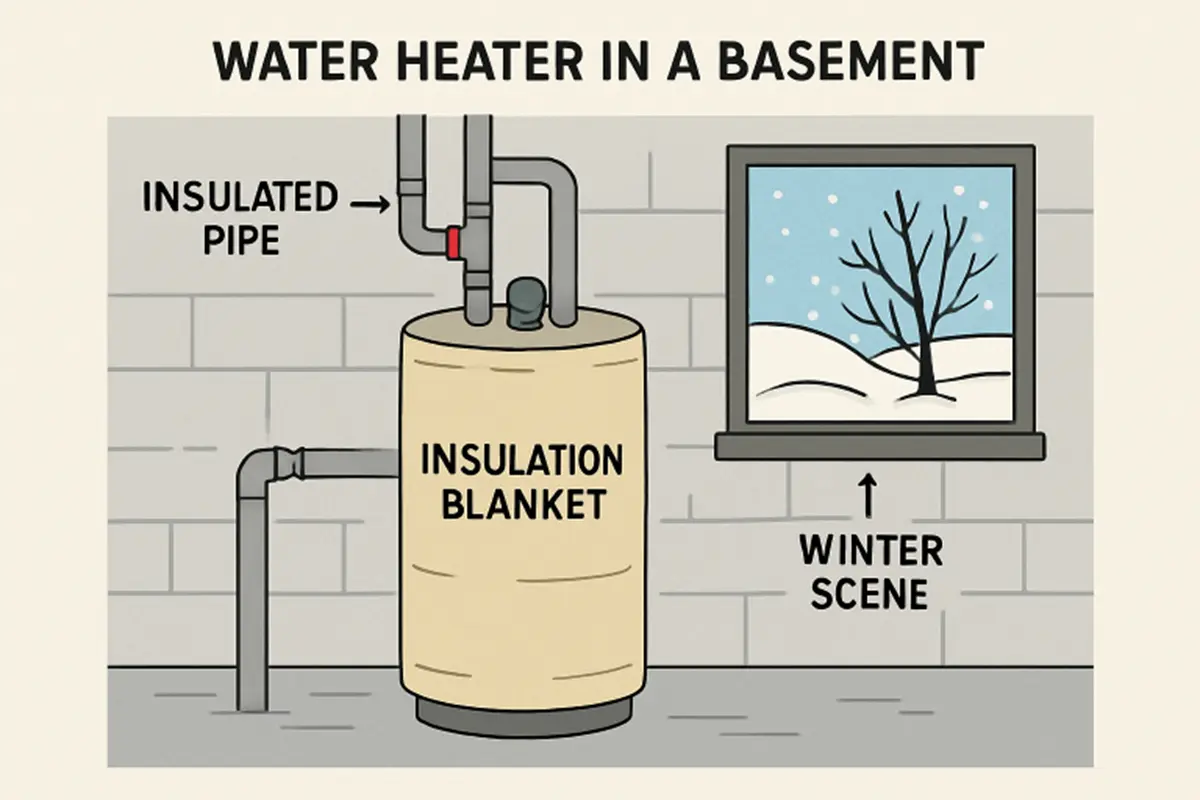
Minimize energy loss in your home by insulating your water heater tank and the first several feet of pipes. An insulation blanket for the tank and foam sleeves for the pipes work wonders, especially if your water heater is in the garage, basement, or other unheated spaces. Good insulation prevents heat from escaping, translates to lower utility bills, and ensures quicker and more consistent hot water delivery during the winter.
Beyond simple DIY solutions, some water heaters may benefit from upgraded insulation to comply with local energy codes and regulations. Taking this extra step can extend your system’s lifespan while aligning with energy efficiency recommendations by the Consumer Reports water heater maintenance guide.
Set the Thermostat to 120°F
Setting your heater’s thermostat to 120°F is the sweet spot for both comfort and safety. A hotter setting increases the risk of scalding and wastes energy, while a lower temperature may leave you cold—particularly during the winter when pipes are colder. Review your heater’s manual for thermostat adjustment instructions to confirm it’s set accurately before winter’s chill arrives.
Test the Temperature and Pressure Relief Valve
Your water heater’s temperature and pressure (T&P) relief valve is a vital safety feature, designed to open if the pressure or temperature becomes dangerously high. Testing it is straightforward: place a bucket under the discharge pipe, gently lift the lever, and listen for a rush of water. If nothing happens or the valve doesn’t reseal, prompt replacement is necessary to prevent future issues.
Schedule a Professional Inspection
While homeowners can manage routine tasks like flushing the tank and checking the thermostat, a licensed plumber has the expertise to examine critical components. Pre-winter professional inspections include testing heating elements, evaluating the burner assembly (for gas heaters), checking the exhaust and ventilation systems, verifying thermostat calibration, and inspecting for corrosion or worn parts. This small investment can save you significant hassle and expense in the long run.
Consider Upgrading an Older Water Heater
If your heater is older than 10 to 12 years, its reliability and efficiency are likely in decline. Modern water heaters are considerably more energy-efficient and offer better temperature control—key benefits as energy costs rise and winters become increasingly unpredictable. If you notice frequent repairs, higher bills, or inconsistent performance, it may be time to evaluate your upgrade options and take advantage of current energy rebates and incentives.
Maintain Clear Space Around the Heater
Clear surroundings promote good ventilation and offer easy access in case of emergency shut-off needs. Avoid stacking boxes, tools, or cleaning supplies around the heater. Adequate airflow ensures the unit operates safely and makes future maintenance easier.
Monitor for Signs of Trouble
Stay alert for any of the following warning signs:
- Strange noises, such as popping, rumbling, or banging, may indicate the presence of hard water buildup.
- Discolored or metallic-tasting water is a warning sign of corrosion inside the tank.
- Leaks, pooling water, or visible rust near the base of the heater.
- Inconsistent or insufficient hot water supply.
Tackling these issues promptly can prevent minor problems from escalating into mid-winter emergencies and costly replacements.
By following these comprehensive water heater maintenance tips, you ensure safe, efficient operation all winter—and peace of mind that hot water will always be on tap when you need it.
Also Read-Smart Home Healing After Surgery: Tools, Tech And Gentle Support