
Key Takeaways
- Consumer protection laws are essential for safeguarding car buyers and owners from unfair business practices.
- Recent federal and state developments aim to improve transparency in car sales and protect consumers from hidden fees and misrepresentations.
- Despite strong protections, consumers must stay vigilant and informed to ensure fair treatment when buying vehicles.
- Understanding your rights and proactively researching dealerships can significantly reduce the risk of falling victim to scams.
Table of Contents
- Understanding Consumer Protection Laws
- Key Provisions Benefiting Car Owners
- Recent Developments in Consumer Protection
- State-Specific Protections
- Challenges and Considerations
- Steps for Consumers to Protect Themselves
- Conclusion
Understanding Consumer Protection Laws
Buying a new or used vehicle is not only a significant financial decision but also a transaction that comes with potential legal risks if sellers or dealerships employ unethical tactics. This is why consumer protection laws, such as regulations around disclosures and truthful representations, are so critical—they shield buyers from predatory practices, hidden clauses, and mechanical issues that are not disclosed at the point of sale. For those purchasing in specific regions, additional rules further strengthen these rights; for example, consumers in Florida are protected under the Florida Lemon Law, which ensures remedies for buyers who unwittingly purchase defective vehicles.
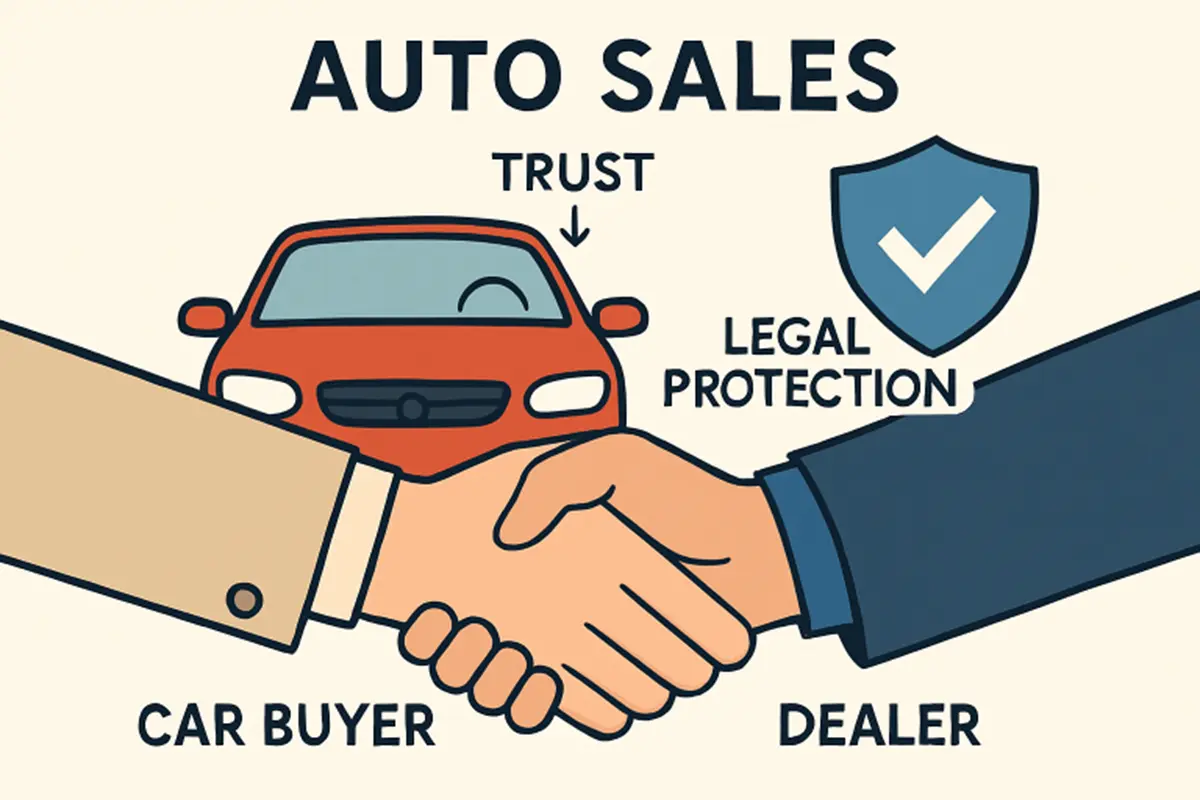
Consumer protection statutes are broadly designed to foster trust and fairness in the automotive industry, setting out clear legal standards for how cars should be marketed, sold, and warranted. Laws addressing unfair trade, disclosure obligations, and fraud prevention empower car owners to seek recourse when dealerships fail to act ethically or lawfully.
Typically, these rules cover everything from price transparency to warranty fulfillment, requiring dealerships to openly and honestly communicate all relevant details about vehicles on their lots. They also lay the groundwork for enforcing penalties against violators and provide ways for car owners to report unlawful practices.
Another important category of consumer protection is “lemon laws,” which provide specific recourse when buyers end up with chronically defective vehicles. These laws exist at both the state and federal levels, ensuring that consumers aren’t left bearing the entire financial burden of a manufacturer’s mistake.
Key Provisions Benefiting Car Owners
- Truth in Advertising: Car dealerships are required to accurately represent pricing, features, and vehicle availability. This provision is designed to stop bait-and-switch tactics that lure customers with attractive deals that aren’t actually available on the lot.
- Disclosure of Fees: Legislation requires that all fees—such as dealership, documentation, or add-on charges—be disclosed before purchase, preventing buyers from being hit with surprise costs at closing.
- Warranty Protections: Both manufacturers and independent dealerships must honor written and implied warranties and repair covered vehicle defects within reasonable timeframes, as required by law.
These legal obligations not only reinforce fairness in the auto market but also shield consumers from financial losses and help build a trustworthy environment for both buyers and reputable sellers.
Recent Developments in Consumer Protection
In December 2023, the Federal Trade Commission (FTC) announced the Combating Auto Retail Scams (CARS) Rule, a landmark regulation targeting deceptive business practices frequently encountered during car sales. The CARS Rule aims to end bait-and-switch pricing, stamp out hidden “junk” fees, and require full disclosure of the actual prices of the offerings. Experts estimate that the CARS Rule could save U.S. auto buyers more than $3.4 billion annually by reducing financial exploitation at dealerships. The rule also sets new standards for obtaining informed consumer consent for extra add-ons and ensures penalties for those who fail to comply.
State-Specific Protections
In addition to federal components, each state can implement its own consumer fraud and auto sales regulations. The Arizona Consumer Fraud Act, for instance, vigorously combats fraudulent automotive sales within the state’s borders. The act enables both state authorities and private citizens to initiate enforcement actions, holding auto dealers and manufacturers accountable for deceptive advertising or unfair contract terms.
States like California, New York, and Texas also maintain robust lemon laws, each with its own definition of what qualifies as a “lemon” vehicle and the specific timelines or thresholds for seeking compensation or a replacement.
Challenges and Considerations
Even with enhanced protections and oversight, consumers can face difficulties. Some dealerships continually seek out loopholes in state and federal law, and the auto industry as a whole has fought to delay or dilute new regulations. Notably, in January 2025, a U.S. appeals court overturned recently adopted FTC rules aimed at strengthening auto buyer protections, citing procedural missteps. This setback highlights just how contested and complex regulating the auto sales industry can be. For further insights into the court ruling, read Reuters’ report on the decision.
Consumers should also prepare for the reality that, while laws are robust, enforcement may lag and legal remedies may require patience and tenacity.
Steps for Consumers to Protect Themselves
- Research Thoroughly: Investigate the dealership’s business reputation and customer feedback before committing to a purchase.
- Understand Your Rights: Read up on both federal rules and state-specific laws regarding car sales, warranties, and consumer remedies.
- Review Contracts Carefully: Go over all purchase agreements and obtain clarification on terms and fees before signing.
- Report Violations: If you observe unethical conduct or suspect deceptive practices, submit a report to your state attorney general’s office or the FTC to support regulatory action.
Conclusion
Consumer protection laws are an integral part of the car-buying process, enabling Americans to purchase vehicles with confidence and peace of mind. While regulatory standards continue to evolve in response to new industry strategies, a good understanding of both your rights and the latest legal developments is the best defense against automotive scams. Staying vigilant ensures a safer and more transparent experience for all car owners.
Also Read-Smart Home Healing After Surgery: Tools, Tech And Gentle Support