
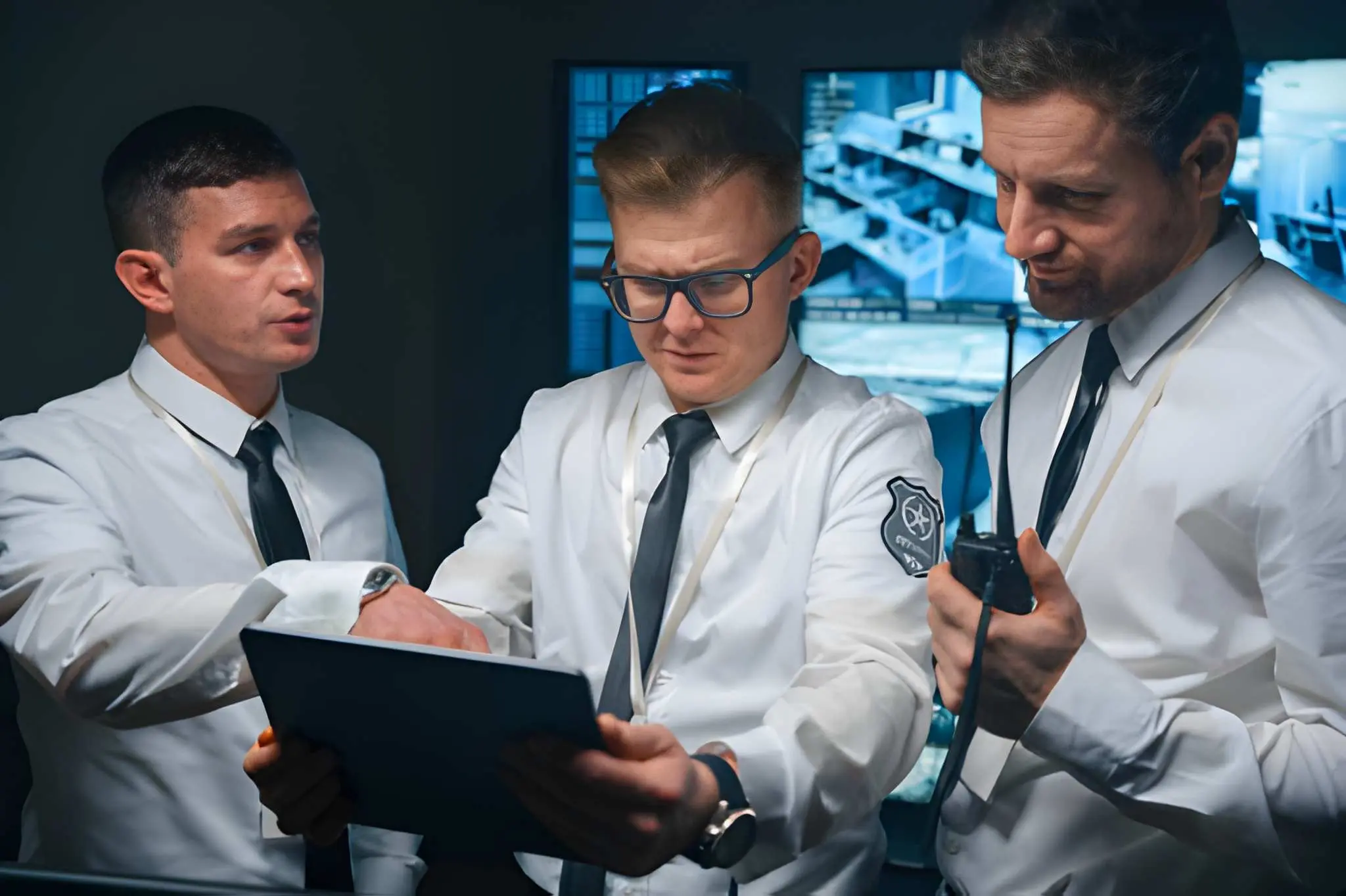
Criminal defense investigators are the behind the scenes problem solvers of the justice system, quietly testing whether the official story actually holds up. While the public often focuses on dramatic courtroom speeches, defense investigators are in the background checking every timestamp, rewalking scenes, pinpointing inconsistencies within reports, and asking the question that changes everything: “Does this really make sense?”
Spotting Red Flags In Police Paperwork
Police reports look formal and authoritative, but they are still written by humans who are tired, rushed, and sometimes biased. A criminal defense investigator combs through these reports line by line, looking for internal contradictions, impossible timelines, and copy pasted language that suggests the officer did not truly remember the event. They compare the written report to body camera footage, dispatch logs, radio records, and photographs. If the report says the street was well lit but photos show a burned out streetlight, that detail can seriously weaken the prosecution’s theory about what an officer or witness could see. fun fact: tiny details like whether it was raining or not can become the difference between “clear view” and “reasonable doubt,” and weather records are often used to challenge polished narratives.
Why Witness Memories Are Easier To Shake Than You Think
Before a defense investigator ever interviews a witness, they already know one crucial truth: memory is not a video recording, it is more like a story that gets rewritten each time it is told.
Turning “I’m Sure” Into “I’m Not So Sure Anymore”
A witness might sound absolutely confident on the stand, but that confidence can crumble when a defense investigator methodically introduces context. How far away were they really standing. How long did they observe. Was it dark, were there flashing lights, was everyone shouting. An investigator might visit the scene at the same time of night to measure lighting, noise, and visibility, then take photos and videos for the defense team. They also compare early statements with later ones. If a witness first said “a dark car” and months later insists it was a specific color and model, that shift can be used to show their memory was shaped by later conversations, news, or assumptions rather than clear recall. fun fact: experiments show that simply hearing another person’s version of an event can reshape someone’s own memory without them realizing it, which is exactly why independent investigation is so important.
When Workplace Injuries Cross Paths With Criminal Cases
You might not immediately connect workplace injuries with criminal trials, but both involve investigating what really happened, who is responsible, and whether the official story is leaving anything out.
In that world, workers’ compensation lawyers play a role that mirrors what criminal defense investigators do in court cases. When a worker is hurt, there are often multiple narratives: what the employer reports, what the insurance adjuster writes down, and what the injured person actually experienced on the factory floor, in the warehouse, or at the office. A good workers’ compensation lawyer digs into these details, tracking down coworkers who saw unsafe practices, examining safety logs, and comparing medical records with incident reports to see whether the paperwork tells the full story. They may consult experts on ergonomics, safety standards, or equipment design to show that an injury was not just bad luck but the result of preventable hazards. If you find yourself hurt on the job and unsure what to do next, reach out to Workers Compensation Lawyers in Long Beach, CA. Just as a defense investigator uses photos, timelines, and witness interviews to expose flaws in a police report, workers’ compensation lawyers rely on thorough, evidence based investigation to help injured people avoid being blamed for their own accidents. In both settings, the goal is to push back against one sided narratives and make sure the person who has the most to lose is not the one whose voice gets ignored.
Tools Of The Trade: How Investigators Build A Stronger Story
Defense investigators do far more than ask a few questions and skim a file, they build an alternative, fact based version of events that the jury can actually picture.
- They revisit the scene to measure distances, test sightlines, and document lighting and obstructions.
- They create detailed timelines that stack phone records, dispatch logs, and witness statements side by side to reveal gaps or impossible overlaps.
- They track down overlooked witnesses who lived nearby, worked at the corner store, or passed by at the right moment and never made it into the original report.
fun fact: some investigators even use simple household tools like a tape measure and a smartphone camera to recreate angles and perspectives, proving that a witness could not possibly see what they claimed. High tech is useful, but basic curiosity and persistence often matter more.
What This Means If You Are Ever Accused
If anyone you know is ever accused of a crime, one of the best questions they can ask their attorney is whether a criminal defense investigator will review the case. That extra layer of scrutiny can uncover sloppy note taking, memory distortions, and critical details that were ignored in the rush to close a file. Police reports and witness stories are not sacred texts, they are starting points. With skilled investigators testing every assumption, the justice system moves a little closer to its ideal of truth, not just convenience, deciding what happens next.
Also Read-Smart Home Healing After Surgery: Tools, Tech And Gentle Support