
Table of Contents
- Wear a Properly Fitted Helmet
- Enhance Visibility with Reflective Gear and Lights
- Adhere to Traffic Laws
- Stay Alert and Avoid Distractions
- Be Cautious at Intersections
- Maintain a Safe Distance from Parked Cars
- Perform Regular Bicycle Maintenance
- Plan Your Route Ahead of Time
Cycling is not only a great way to stay fit and active but also serves as an environmentally friendly alternative to motor vehicles. Using a bicycle helps reduce your carbon footprint and can save you significant amounts of money on fuel, parking, and maintenance costs. Whether you rely on your bike for daily commuting or enjoy leisurely weekend rides around the city, prioritizing safety is a crucial component of every journey. By consistently following proven safety habits, you significantly reduce your risk of being involved in a collision or sustaining an injury, which in turn contributes to safer roads for everyone. If you have been involved in an accident and need legal support, consult a bicycle accident lawyer in Miami to understand your rights and options after a crash, as timely legal advice can be essential to your recovery process.
Practicing consistent safety measures not only builds your confidence while riding but also contributes to a more predictable and enjoyable experience for both new and seasoned cyclists. Following basic precautions—like wearing reliable gear, understanding and obeying local road rules, and performing routine maintenance—can make every ride significantly safer for yourself, motorists, and pedestrians around you. Dedicating time to learn and incorporating these habits into your routine will ensure that cycling remains an empowering and stress-free mode of transportation.
Wear a Properly Fitted Helmet
Wearing a helmet is the single most effective precaution a cyclist can take to prevent serious injury. Head protection is particularly vital, as head injuries are the leading cause of fatal and long-term injury among cyclists. According to the Centers for Disease Control and Prevention, wearing a helmet can reduce the risk of head injury by as much as 60%, making it an indispensable part of every ride. It’s essential to ensure that your helmet fits snugly on your head without rocking forward, backward, or side to side, and the straps should be secure yet comfortable. Helmets should also comply with established safety standards and be replaced every five to ten years, or sooner if they have been involved in any impact or crash. Remember, a compromised helmet may not provide adequate protection in the event of a future accident. Choosing a bright-colored helmet can also enhance your visibility on the road, further improving your safety. Ensuring a proper fit and using a certified helmet are crucial steps in safeguarding your well-being on every ride.
Enhance Visibility with Reflective Gear and Lights
One of the most critical aspects of safe cycling is being visible to others, particularly in low-light or nighttime conditions when it can be challenging for drivers to spot cyclists. Ensure your bike is equipped with at least a white front light and a red rear light, as these are required by law in many states for nighttime riding. To further increase your chances of being seen, wear high-visibility, reflective clothing or accessories such as vests, jackets, or leg bands that allow motorists to notice you from a greater distance. Reflective tape and stickers can also be applied to your bike frame or helmet for added safety. Regularly check your lights to ensure they are working correctly, and be diligent about replacing the batteries as necessary. Additionally, consider using flashing lights to draw even more attention, especially in areas with heavy traffic or inadequate street lighting. These small actions can dramatically reduce the risk of accidents related to low visibility and keep both you and those you share the road with safer at all times.
Adhere to Traffic Laws
Every cyclist has the same responsibilities on the road as motorists, meaning they must obey all traffic laws and signals to ensure a smooth and predictable flow of traffic. This includes stopping at red lights and stop signs, yielding to pedestrians and other vehicles where appropriate, and signaling all turns and lane changes clearly with hand signals. It’s also crucial to always ride in the same direction as traffic and use designated bike lanes or paths when available, as riding against traffic or on sidewalks where prohibited increases your risk and can confuse drivers. By strictly following traffic laws, cyclists not only protect themselves from preventable accidents but also contribute to a safer and more harmonious traffic ecosystem for all road users. To stay informed and up to date with local cycling regulations and best practices, the National Highway Traffic Safety Administration offers valuable resources: NHTSA Bicycle Safety. Clearly understanding and adhering to these rules establishes a foundation of trust and mutual respect among all road users.
Stay Alert and Avoid Distractions
Maintaining awareness at all times is critical to safe cycling. Distractions like headphones or cellphones can dramatically increase your risk by preventing you from hearing approaching vehicles or important traffic cues such as horns, sirens, or people calling your attention to danger. Resist the temptation to glance at your phone, even momentarily, while riding. Stay focused on the road surface, as hazards such as potholes, broken glass, wet leaves, or other debris can appear suddenly and can cause accidents if not avoided. Keep an eye on drivers and pedestrians, remain alert for unpredictable behavior, and anticipate potential hazards before they become serious problems. By keeping both hands on the handlebars and your attention forward, you’ll be able to react quickly to changing situations and reduce your risk of collision or loss of control.
Be Cautious at Intersections
Intersections are among the most accident-prone places for cyclists—many crashes between bikes and cars occur at or near intersections. Always make direct eye contact with drivers before crossing an intersection, and never assume a motorist sees you or will yield the right of way. Use transparent and predictable hand signals to indicate your intentions, come to a complete stop at lights and stop signs, and proceed only when it is entirely safe to do so. Remain especially vigilant for vehicles making left or right turns, as drivers may not see a cyclist traveling straight through the intersection. Whenever possible, position yourself for maximum visibility—avoid lingering in drivers’ blind spots and assert your presence on the roadway. Defensive riding at intersections, paired with heightened observation skills, can make all the difference during these high-risk moments.
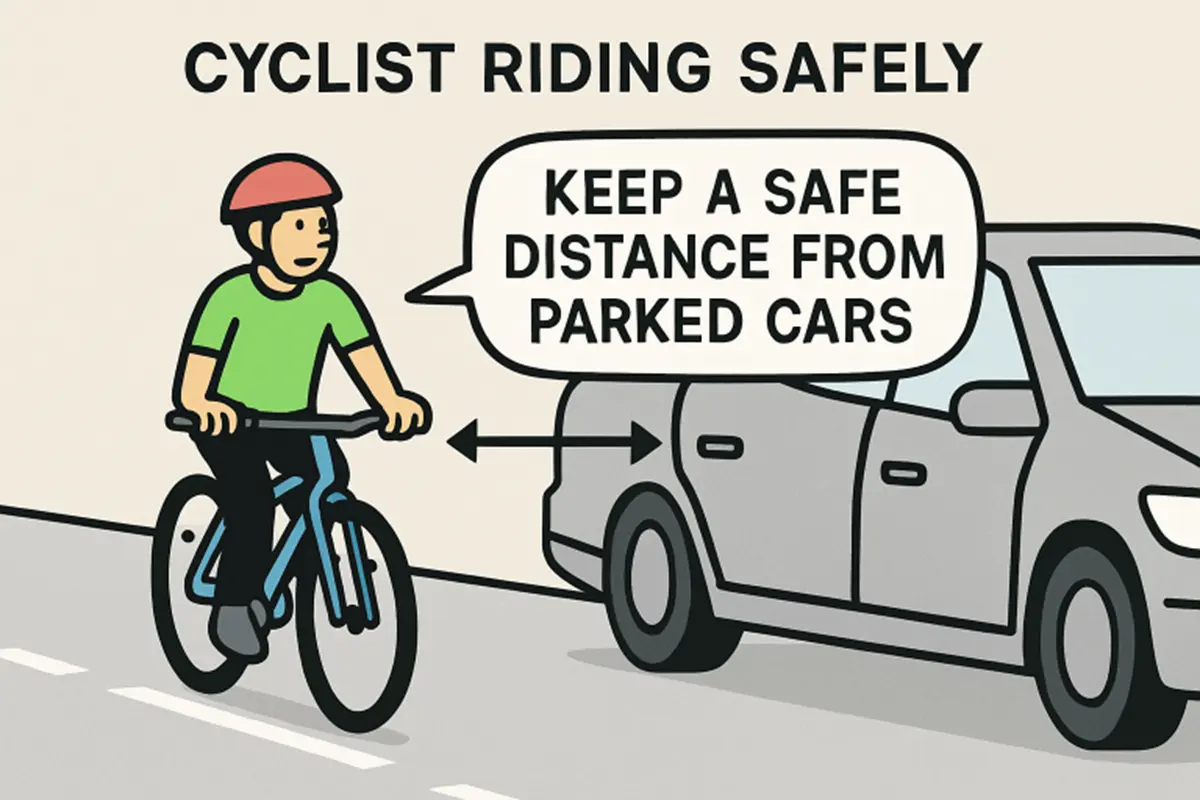
Maintain a Safe Distance from Parked Cars
“Dooring” accidents occur when a parked car’s door swings open suddenly into a cyclist’s path, leaving little or no time to react. To minimize your risk, always ride at least three feet, or about an arm’s length, away from parked cars. This extra buffer allows for maneuvering if a door opens unexpectedly and also helps you avoid colliding with pedestrians exiting vehicles or crossing between parked cars. Remain vigilant and glance ahead for signs that a vehicle may be occupied, such as illuminated brake lights or visible movement. Practicing this habit every time you encounter parked vehicles significantly reduces your risk of sudden, avoidable collisions, keeping your rides safe and smooth.
Perform Regular Bicycle Maintenance
Keeping your bicycle in good working order is essential for safety, reliability, and overall enjoyment. Before every ride, inspect your brakes for adequate stopping power, check your tires for proper inflation and any visible signs of damage, and test your gears to ensure smooth shifting. It’s also vital to regularly check the chain for wear and lubricate it as necessary to prevent it from snapping or jamming. Take a few moments to make sure your lights and reflectors are working and securely attached—their reliability could save your life in low-light conditions. For longer-term care, schedule periodic professional tune-ups or repairs to catch any issues before they become serious problems. A well-maintained bike is more responsive during emergencies and less likely to cause accidents triggered by avoidable equipment malfunctions.
Plan Your Route Ahead of Time
Route planning is a simple yet powerful technique for safer cycling. Whenever possible, choose streets with designated bike lanes, lower traffic volumes, and reduced speed limits. Utilize online mapping tools tailored for cyclists or consult local cycling maps to identify the safest and most efficient paths. Whenever possible, avoid known problem spots, high-traffic corridors, or dangerous intersections during your commute or recreational ride. Planning your route not only helps you steer clear of hazards or road construction but also contributes to a more relaxed and enjoyable journey. In unfamiliar areas, familiarize yourself with the layout and potential tricky segments before setting off, as this can further reduce stress and the chance of unexpected detours.
Adopting these practical habits will help protect you on every ride, empowering you to enjoy cycling with greater confidence and peace of mind. By making safety a routine part of your cycling experience, you not only lower your likelihood of accidents but also set an example for others and help foster a more bike-friendly community. Remember that every trip is an opportunity to put these habits into practice and to share the road responsibly with motorists and fellow cyclists alike.
Also Read-Smart Home Healing After Surgery: Tools, Tech And Gentle Support