
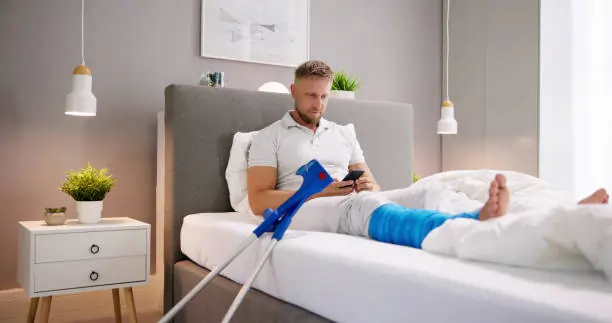
Recovering at home after surgery can feel both comforting and overwhelming. Your bed, your TV, your favorite mug are all there, but so are stairs, medications, and that “please don’t let me trip” feeling. The good news is that with the right mix of simple gadgets, smart tech and professional post op at home care, you can turn your living space into a mini recovery suite that actually makes healing easier, safer and a lot less stressful while helping prevent post-surgery complications.
Set Up Your Recovery Command Center
Your “command center” is the spot where you will spend most of your time resting, usually the bed or a comfy chair. Set it up so you rarely have to get up for the basics. A bedside table, small rolling cart or overbed table can hold everything you reach for most: water, medications, phone, tissues, remote, charger and a notebook for questions to ask your doctor or nurse. Here is a fun fact you might like: people are more likely to follow their post op instructions when their supplies are within arm’s reach, because they do not have to battle fatigue and pain just to stay on track. A simple pill organizer with big labels or alarms on your phone can help you keep medications on time, and a tablet stand lets you watch shows or join video calls without straining your neck.
- Pill organizer with morning, noon, evening sections
- Long charging cable so devices always reach your bed or chair
- Bedside trash or laundry bin so clutter does not pile up
Tech That Keeps You Safe And Independent
Safety tech is less about being fancy and more about giving you quiet confidence. Even small tools can make a big difference when you are moving slower than usual or feeling unsteady.
Mobility helpers you will actually use
Grabber tools, raised toilet seats, shower stools and non slip mats keep daily tasks from turning into scary challenges. A lightweight walker or cane, properly adjusted by a professional, lets you move around with less fear of falling. Many people find it reassuring when a post op caregiver walks through the home with them and points out simple tweaks, like moving loose rugs, shifting furniture and adding a night light in the hallway.
Fall prevention tech that quietly has your back
Motion activated night lights, smart bulbs you can control with your voice and simple plug in lamps you can tap on and off keep you from fumbling in the dark. Some people choose a wearable alert button or smartwatch that can call for help if they fall. These small devices are especially helpful if you live alone or your family works during the day. Professional caregivers often help test these tools, making sure they are charged, connected and easy to reach, so you can focus on resting rather than troubleshooting.
Comfort, Sleep And Pain Relief At Home
Good sleep is powerful medicine, and comfort tools help you get it. Extra pillows or wedge cushions can support your back, legs or abdomen in the position your surgeon recommends. Cooling or heating pads, when cleared by your medical team, can ease soreness. White noise machines or apps help drown out household sounds so you can nap while others are moving around. Smart speakers are surprisingly helpful for recovery: you can ask for music, timers, reminders or weather updates without lifting a finger, which comes in handy on low energy days.
Therapeutic massages tailored to you
Therapeutic massage after surgery is not about luxury, it is about carefully guided touch that supports circulation, reduces stiffness and helps your nervous system relax. When tailored to your specific procedure and restrictions, gentle techniques can ease muscle tension from sleeping in unusual positions, long hours in bed and using assistive devices, exploring what’s really behind chronic fatigue. Many people benefit from specialized approaches like light lymphatic style massage that may help reduce swelling where appropriate, while avoiding any incisions or areas your doctor has marked as off limits. A skilled massage therapist who understands post op recovery can coordinate with professional home caregivers, timing sessions around medication schedules, dressing changes and physical therapy so your body is not overloaded. Done correctly, in the comfort of your own home, these massages can become a calming ritual that makes you feel more connected to your body again instead of feeling like you are just “surviving” each day.
Why Professional Post Op Support At Home Is Worth It
Even with the best gadgets and apps, human help makes a huge difference. Professional post op caregivers are trained to spot small issues before they become big problems, from changes in your wound to signs that you might be overdoing it. They can help you shower safely, move around the house, manage medications and keep track of your pain levels in a way that is easy to share with your surgeon. Many are comfortable using tech, too, logging vitals into apps, setting up video check ins with your doctor and adjusting your environment so tools like smart lights or alarms actually work for your routine. That blend of hands on care and thoughtful use of technology means you are not just home, you are supported. The goal is simple: less stress, fewer risks and a smoother, more confident path back to your normal life.
Read more: Recognizing the Telltale Signs That Indicate You Need a New Roof – Blessingscore.com
Modern Apartment Living: Trends and Tips for Today’s Renters – Blessingscore.com
How Summer Basketball Camps Are Shaping Youth Athletes – Blessingscore.com