
Table of Contents
- Physical and Emotional Impact on Victims
- Financial Burdens and Economic Consequences
- Legal Challenges and Liability Issues
- Community-Wide Social Implications
- Preventive Measures and Community Involvement
- Support Systems for Victims and Offenders
- Conclusion
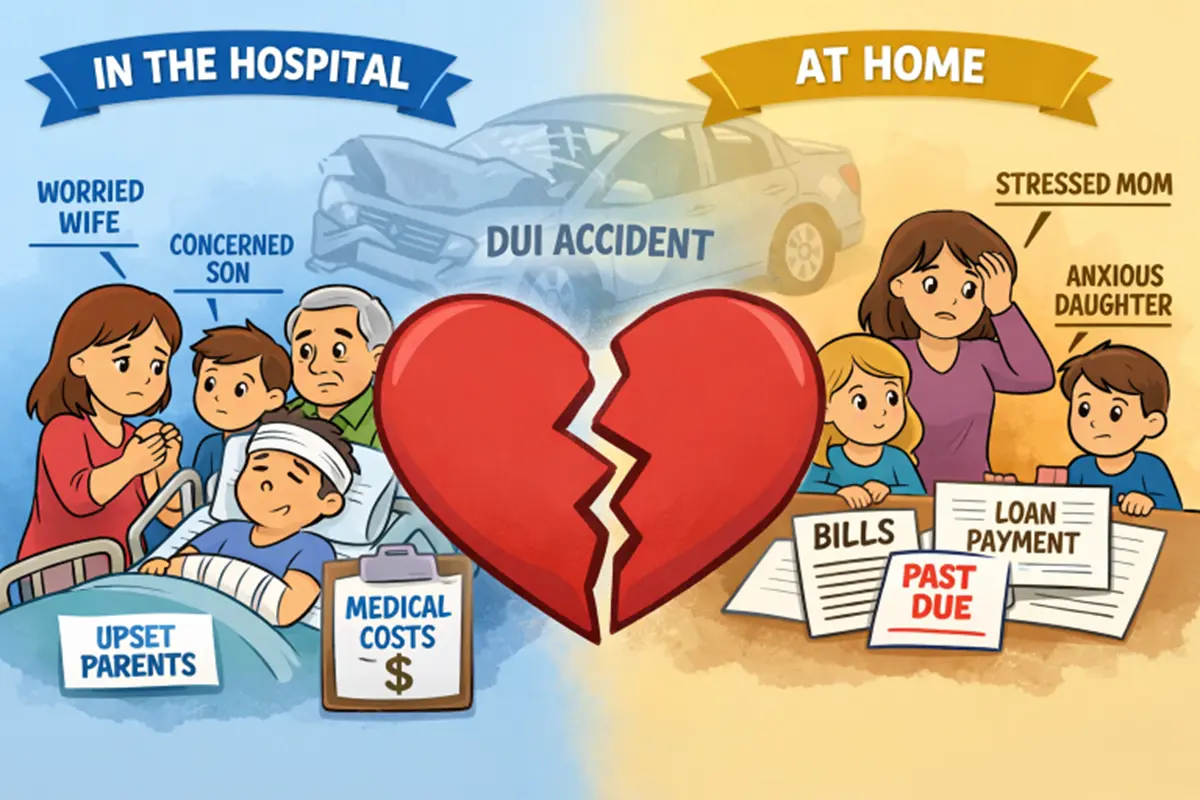
DUI accidents can have serious and lasting effects on the lives of victims and their families. Beyond the immediate physical injuries, these incidents often bring emotional trauma, financial strain, and long-term changes in daily life. Families may struggle to adjust to new responsibilities, medical care, or emotional support for loved ones who have been injured. The recovery process can be slow and challenging, and the effects are often felt for years after the accident. Understanding these long-term impacts is essential for both victims and their support networks.
In some cases, victims and their families may seek guidance from a DUI crash attorney to understand their rights and options following an accident. Legal support can help navigate insurance claims, compensation, and other aspects of the recovery process. While no attorney can undo the harm caused by a crash, having professional guidance can ease some of the practical and financial burdens, allowing families to focus on healing and adjusting to life after the incident. Recognizing the lasting impact of DUI accidents highlights the importance of support systems and careful planning for the future.
Physical and Emotional Impact on Victims
Many victims of DUI accidents suffer severe and sometimes permanently life-altering injuries, including spinal cord injuries, brain trauma, and shattered bones. Physical rehabilitation can take months or even years, and in many cases, full recovery is not attainable. For some, the pain becomes a lifelong companion. Emotional trauma from surviving a DUI crash is equally devastating. Survivors may struggle with anxiety when driving, nightmares, depression, and post-traumatic stress disorder. These mental health challenges often extend to their family members, especially those who witnessed the event or deal with its aftermath daily.
Children in affected families may experience fear of losing loved ones, difficulty focusing in school, or feelings of guilt and helplessness. Spouses and caregivers often contend with their own trauma while supporting the injured, creating a ripple effect that disrupts normal family functioning.
Financial Burdens and Economic Consequences
The financial strain following a DUI accident can overwhelm even the most stable households. Medical bills, therapy costs, and expenses from ongoing caregiving pile up quickly. Some families are forced to make impossible choices between continuing essential treatments and meeting everyday needs, especially when the primary earner can no longer work due to injury.
Beyond individual cases, the public also shares in the economic consequences. Healthcare systems bear the cost of emergency care and long-term treatment for both the injured and those responsible for the accident. According to the Centers for Disease Control and Prevention (CDC), alcohol-impaired driving crashes cost the United States over $44 billion annually, affecting insurance premiums and public funding for health and safety initiatives.
Legal Challenges and Liability Issues
After a DUI accident, navigating the legal system quickly becomes a new source of trauma for many victims and families. Legal proceedings for civil damages and criminal charges can drag on, forcing those affected to relive painful experiences each time they appear in court or provide evidence. The burden of proving liability, negotiating with insurance companies, and ensuring fair compensation can be discouraging and confusing without expert guidance.
Many families discover too late that financial awards can be limited by insurance policy caps or delays in settlements, adding to their stress and uncertainty. Justice, while necessary, rarely brings immediate relief from the day-to-day challenges victims face after a DUI accident.
Community-Wide Social Implications
The harm caused by DUI accidents extends beyond individual households and touches entire communities. Schools lose students and parents, workplaces lose valued employees, and neighborhoods lose trusted friends or leaders. The emotional impact of fatalities or serious injuries can ripple outward, lowering morale and creating a collective sense of vulnerability.
Communities bear indirect costs as well. Emergency teams, law enforcement, and social service agencies often redirect resources to cope with the fallout of impaired driving, straining already limited budgets. This diversion can undermine funding for other important community programs or crime-prevention efforts.
Preventive Measures and Community Involvement
Effective prevention requires more than law enforcement alone. Community leaders, educators, and local organizations all play a role in reducing DUIs through targeted education, awareness campaigns, and the provision of safe transportation alternatives. Programs that encourage designated drivers, for example, have been shown to reduce impaired driving fatalities.
When entire communities participate in these efforts, a culture of accountability and mutual care develops. Consistent public messaging and visible enforcement increase the perceived risk of driving under the influence, making potential offenders think twice.
Support Systems for Victims and Offenders
The path to healing after a DUI accident is often long and challenging. Access to counseling, peer support groups, and financial assistance can lighten the load for survivors and their families. Groups such as Mothers Against Drunk Driving (MADD) offer resources and advocacy for victims as well as educational materials for the public on their website.
Offenders, too, need structured intervention, like substance abuse rehabilitation programs, to reduce the likelihood of repeat offenses. In some communities, restorative justice programs invite offenders and victims to participate in mediated conversations that can promote closure and transform regret into responsibility.
Conclusion
The repercussions from DUI accidents stretch far beyond the moment of collision, altering lives for years to come. Addressing the long-term impact requires coordinated prevention, legal advocacy, holistic support, and strong community engagement. By understanding and responding to the many layers of harm caused by impaired driving, society can provide better support for those affected and make progress toward safer, more resilient communities for everyone.
Also Read