
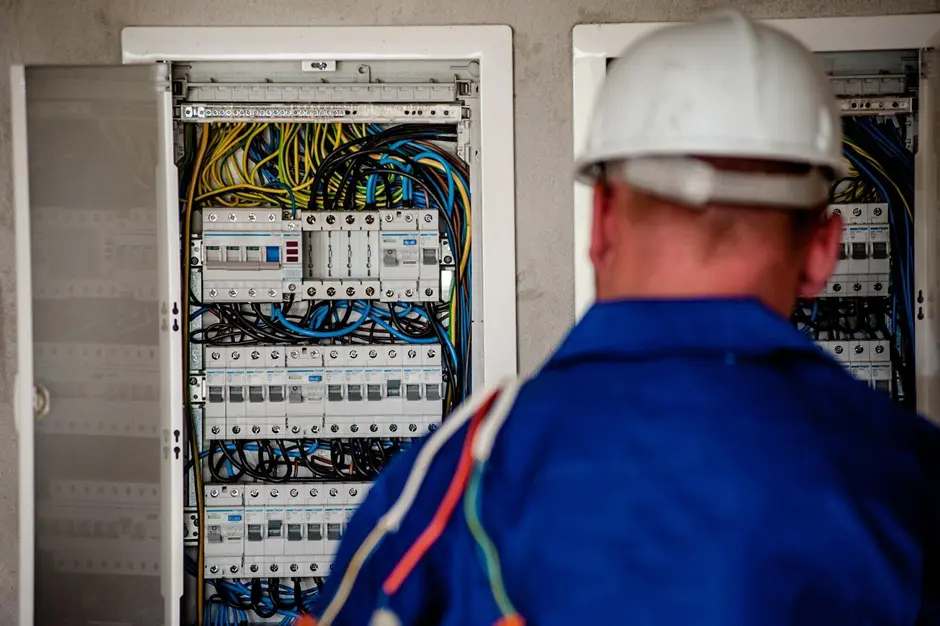
Starting a career in the electrical field can open the door to steady work, good pay, and long-term growth.
Electricians are needed in homes, businesses, and large projects, which makes this career both practical and in demand. However, success begins with choosing the right education path. Not all electrician training programs offer the same level of quality or recognition.
In this article, you will learn why accreditation matters and how it affects your training choices.
What Is Accreditation?
Accreditation is a process that checks if a school or program meets basic education standards. These standards focus on teaching quality, safety, and job readiness. When a program is accredited, it means an approved organization has reviewed it.
For students, this offers peace of mind. Accreditation shows that the program delivers reliable training and follows clear rules. It also helps protect students from low-quality schools.
Why Accreditation Matters in Electrical Training
Electricians work with power systems that can be risky if done wrong. Because of this, proper training is essential. Accredited programs teach:
- safe work habits
- correct wiring methods
- current electrical codes
Employers also value accreditation. Many prefer hiring workers who have completed accredited training. It shows that the electrician learned the right skills and understands safety from day one.
Types of Accreditation to Know
There are two common types of accreditation. Institutional accreditation applies to the whole school. Programmatic accreditation applies to specific programs, like electrical training.
For trade careers, programmatic accreditation is very important. It confirms that the electrical courses meet industry needs and focus on real job skills.
How Accreditation Affects Licensing and Certification
In many regions, electricians must meet education rules before getting licensed. Graduating from an accredited program often makes this process easier. Some licensing boards only accept training from accredited schools.
This can save time and stress later. Accreditation helps ensure your education counts when applying for exams, apprenticeships, or certifications.
Financial Aid and Accreditation
Accreditation can also affect financial aid. Many grants and student loans are only available to students at accredited schools. Without accreditation, students may have fewer payment options.
This makes accreditation important for both quality and cost. It can help reduce out-of-pocket expenses while you train.
Choosing an Accredited Electrician Program
When looking at schools, always check their accreditation status. Schools usually list this on their website, or you can ask an admissions advisor. You can also check official accreditation databases.
If you want to explore accredited electrician training programs, look for options that include hands-on practice. Programs with lab work, tools, and safety lessons often prepare students better for real job sites.
Questions to Ask Before You Enroll
Before enrolling, ask who accredits the program and how often reviews happen. Ask if graduates meet licensing rules and find work after graduation.
These simple questions help you make a smart choice. Clear answers can prevent problems later.
Making a Smart Education Choice
Accreditation is a key part of electrical career education. It supports quality training, helps with licensing, and improves job opportunities. Choosing an accredited program gives you a stronger and safer start in the field.
As you plan your next step, take time to review your options. Look for programs with accreditation, hands-on learning, and clear outcomes. The right choice now can lead to a confident and successful electrical career.
Find solutions tailored to your needs-start exploring more articles today!
Also Read-Smart Home Healing After Surgery: Tools, Tech And Gentle Support