
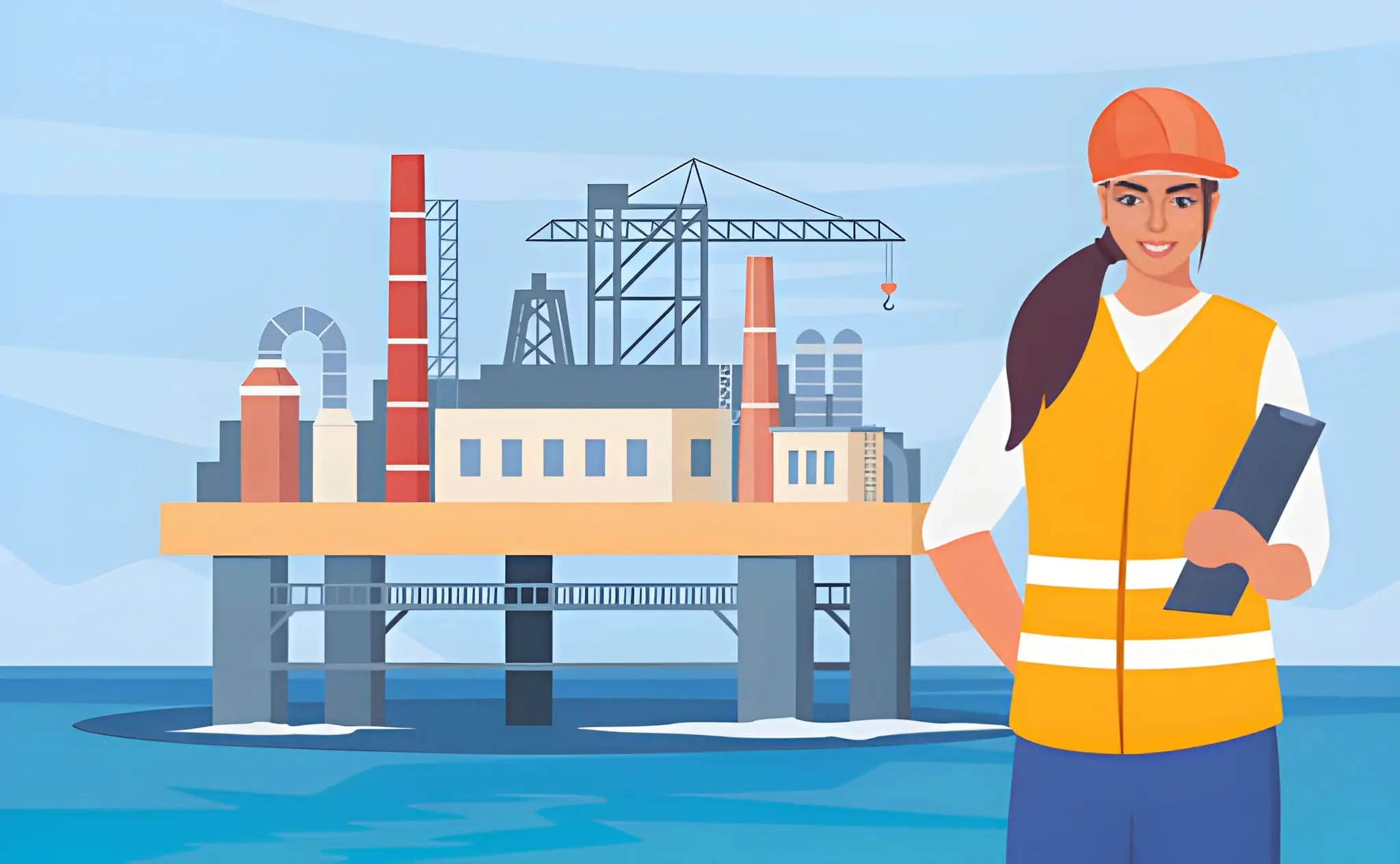
The offshore oil and gas industry is facing significant changes. As many fields mature and production starts to decline, one crucial aspect of offshore operations is becoming more important than ever: well decommissioning. Offshore well decommissioning is the process of safely sealing and abandoning wells that are no longer productive, ensuring the protection of the environment and the safety of nearby operations. It might seem like a simple task on the surface, but decommissioning is a complex, costly, and technically challenging process that requires careful planning and execution.
In recent years, there has been a noticeable increase in investment within this sector. More offshore operators are recognizing the need to prioritize well decommissioning and are allocating substantial funds to meet these needs. But why has the offshore industry suddenly focused so much on well decommissioning services? In this blog post, we will explore the key factors driving this shift, and why increasing investment in decommissioning is an essential part of the offshore industry’s future.
Regulatory Pressures Driving the Shift
The offshore oil and gas industry has always been under the scrutiny of regulators, especially in light of the growing focus on environmental protection. Over the past few years, regulations governing decommissioning activities have become stricter, making it imperative for operators to invest in the proper tools and technologies for effective well decommissioning.
Governments across the globe are increasingly pushing for operators to ensure that they properly decommission offshore wells, removing any environmental risks that could arise from neglected or abandoned wells. Regulatory frameworks such as the European Union’s Offshore Safety Directive and the U.S. Bureau of Ocean Energy Management’s (BOEM) decommissioning requirements are just some examples of how regulations are shaping the landscape. These regulations require offshore operators to plan for decommissioning right from the outset of their project, making it a priority in the lifecycle of offshore wells.
As regulatory pressures increase, offshore companies are turning to well decommissioning services to ensure they comply with these regulations while minimizing the risk of fines and environmental penalties. Investing in well decommissioning not only keeps companies in line with laws but also reduces the potential for costly legal issues or damage to their reputation.
Environmental Responsibility and Sustainability
Environmental concerns are at the heart of why the offshore industry is investing more heavily in well decommissioning. As global awareness of climate change and environmental issues grows, the oil and gas industry is under increasing pressure to demonstrate its commitment to sustainability. Offshore wells, if not properly decommissioned, pose significant risks to marine ecosystems. Leaking oil, gas, or other contaminants from abandoned wells can have catastrophic effects on marine life, coastal communities, and the wider environment.
In addition to the risk of pollution, poorly decommissioned wells can also interfere with the construction of new energy infrastructure, such as wind farms. For the offshore energy sector to transition towards cleaner energy, such as wind and wave power, well decommissioning must be done efficiently and safely to prevent the disruption of new renewable energy projects.
Offshore companies are increasingly recognizing their environmental responsibility, investing in state-of-the-art decommissioning technology and services to ensure that abandoned wells are sealed and that any residual risks are addressed. Promethean Energy, for example, has been at the forefront of sustainable energy solutions, developing advanced decommissioning technologies that minimize environmental damage while maximizing safety.
Technological Advancements and Efficiency Improvements
Another key factor driving investment in well decommissioning is the rapid advancement in technology. The offshore industry is known for its innovation, and the decommissioning sector is no exception. New technologies are making well decommissioning safer, more efficient, and more cost-effective than ever before.
Modern decommissioning solutions include advanced robotic systems, specialized sealants, and remote monitoring technologies that ensure wells are properly sealed. These technologies are enabling operators to complete decommissioning tasks with greater precision and less downtime. In addition, artificial intelligence (AI) and machine learning (ML) are being used to optimize decommissioning plans, predict potential challenges, and enhance decision-making processes.
One of the key areas where technological advancements are making a difference is in the use of non-invasive techniques for monitoring abandoned wells. Remote sensors, drones, and underwater robots are now capable of inspecting the structural integrity of wells and providing valuable data that can be used to design the most effective decommissioning strategy.
These technological advancements make well decommissioning more predictable and safer, which ultimately reduces the financial and environmental costs associated with poorly executed decommissioning projects.
Economic Considerations: Reducing Long-Term Costs
Decommissioning offshore wells is a costly process, often requiring millions of dollars to safely remove infrastructure and seal wells. However, many offshore companies are beginning to realize that failing to invest in proper decommissioning could lead to even higher long-term costs.
Neglecting well decommissioning can lead to expensive remediation efforts down the line, should a well become unstable or leak. In many cases, the cost of addressing a leaking well is far higher than the initial investment required for safe and thorough decommissioning. Additionally, poorly executed decommissioning projects can cause damage to surrounding infrastructure, further inflating costs.
By investing in well decommissioning services early, operators can avoid these risks, manage their assets more effectively, and ultimately reduce long-term liabilities. The cost of not investing in proper decommissioning now may outweigh the immediate financial savings of postponing or avoiding the process altogether.
The Shift Towards Renewable Energy
As the world moves towards a more sustainable energy future, the offshore industry is also pivoting towards renewable energy sources. Many offshore platforms that were originally built for oil and gas production are now being repurposed for renewable energy projects, such as offshore wind farms. This shift requires efficient and effective well decommissioning to clear the way for new energy infrastructure.
The increased focus on renewable energy, particularly offshore wind energy, is driving a significant demand for well decommissioning services. Operators are increasingly turning to well decommissioning to free up valuable space in offshore zones for the installation of new renewable energy assets. The clear removal of obsolete infrastructure makes it easier to repurpose these areas and align with global climate goals.
For example, Promethean Energy, is working to integrate well decommissioning services with the offshore wind industry, creating synergies that benefit both traditional and renewable energy sectors. These efforts highlight the crucial role well decommissioning plays in supporting the transition to cleaner, more sustainable energy sources.
Global Implications and Industry Collaboration
The offshore industry is increasingly recognizing that well decommissioning is not just a local issue, but a global one. As more offshore fields reach the end of their productive lifespans, the need for international cooperation and collaboration on decommissioning projects has never been more important.
Operators, regulators, and technology providers are coming together to share best practices, knowledge, and resources to develop solutions that can be applied globally. The international nature of the offshore industry means that effective well decommissioning requires a collaborative effort to address the challenges of different regions, regulatory environments, and technological limitations.
For example, many operators are now working together to pool resources for large-scale decommissioning projects, creating efficiencies that benefit the industry as a whole. This collaborative approach allows for better risk management, more innovation, and a smoother transition to a more sustainable offshore energy future.
Conclusion: The Future of Offshore Well Decommissioning
The increasing investment in well decommissioning within the offshore industry is not just a trend; it is a necessary response to a growing set of challenges. As regulations tighten, environmental concerns rise, and technology advances, offshore companies are realizing the importance of prioritizing well decommissioning. From reducing long-term costs to supporting the growth of renewable energy, the need for effective well decommissioning is clear.
Offshore operators and stakeholders must continue to embrace innovative solutions and collaborative efforts to meet these challenges head-on. By doing so, they can ensure a safer, more sustainable offshore energy future, while also protecting the environment and contributing to global climate goals.
Incorporating proper well decommissioning services is no longer optional; it is a critical part of ensuring the long-term viability of offshore operations and a cleaner, more sustainable energy future. The continued investment in well decommissioning will help pave the way for a safer, greener offshore energy landscape for generations to come.
Also Read-How LATAM’s Tech Talent Is Driving Digital Transformation Globally