
Key Takeaways
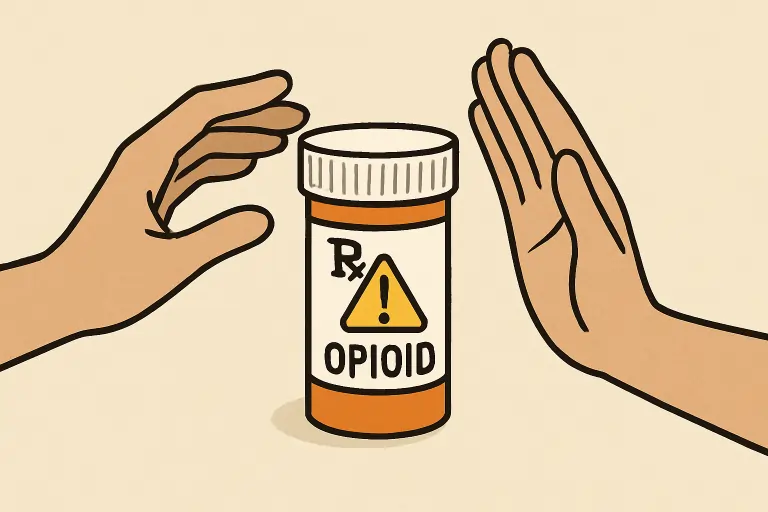
- Prescription opioids are effective for pain relief but have a high potential for addiction and misuse.
- Long-term use of opioids can lead to tolerance, dependence, and increased risk of overdose.
- Alternative pain management strategies, such as physical therapy and non-opioid medications, can reduce the risk of opioid-related complications.
Prescription painkillers, especially opioids, play a major role in managing severe pain, both after surgery and in chronic conditions. However, the benefits come with complex risks that can be life-altering or even life-threatening if not managed carefully. Understanding these risks is important not only for those using these medications but also for families and healthcare providers. For individuals who are struggling with dependency or misuse, specialized support such as painkiller addiction treatment can be a critical step towards recovery and safer pain management.
Many people start opioid prescriptions to manage pain for short periods, yet the powerful effects of these drugs on the brain increase the potential for misuse and addiction. Recent years have shown how misuse can lead to devastating consequences, both on a personal and societal level. The conversation about pain management now urgently includes a focus on safety, alternatives to opioids, and the responsibility of both patients and prescribers to recognize warning signs before habits form.
Understanding Prescription Painkillers
Prescription opioids are commonly prescribed to treat moderate to severe pain. Some of the most frequently used include oxycodone, hydrocodone, codeine, and morphine. These medications work by binding to opioid receptors in the brain and spinal cord, reducing perception of pain. While this can be extremely effective for acute pain, like after surgery or injury, it also causes feelings of euphoria, setting the stage for possible misuse.
The rapid and powerful relief offered by opioids is part of the reason they are widely prescribed. Unfortunately, because they also activate areas of the brain involved in reward, there is a significant risk that patients may continue using them even after pain has resolved. This can lead to a cycle of increased use, tolerance, and ultimately, dependence or addiction. According to the Centers for Disease Control and Prevention (CDC), up to one in four patients receiving long-term opioid therapy struggles with addiction.
The Scope and Impact of the Opioid Epidemic
The opioid epidemic has deeply impacted public health in the United States and beyond. Between 1999 and 2020, the U.S. saw more than 500,000 deaths from opioid overdoses, a number that continues to rise annually. Both prescription and illicit opioids, including illegally manufactured fentanyl, have driven this crisis, leading to increased regulation and a reassessment of prescribing practices across the medical community. The National Institutes of Health (NIH) continues to develop new research, resources, and treatment approaches to address this crisis nationwide.
Risks Associated with Opioid Use
Tolerance, Dependence, and Addiction
Regular opioid use can quickly result in tolerance, where higher doses are needed to achieve the same pain relief effects. Alongside tolerance, physical dependence can develop, meaning the body becomes so used to the medication that sudden stopping leads to withdrawal symptoms such as nausea, agitation, and muscle aches. When misuse escalates, patients may engage in risky behaviors to obtain more medication, increasing the potential for overdose and, in the worst cases, death.
Increased Risk of Overdose
Accidental overdose can occur when someone takes more of the medication than prescribed, combines opioids with other substances (such as alcohol or sedative medications), or uses illicit opioids. The signs of overdose—shallow breathing, loss of consciousness, and pinpoint pupils- require urgent medical attention. According to the CDC, emergency rooms see thousands of opioid-related visits annually, highlighting the critical need for prevention and education.
Alternative Pain Management Strategies
To reduce opioid-related risks, providers now increasingly recommend multimodal pain management plans. Non-opioid medications like acetaminophen and nonsteroidal anti-inflammatory drugs (NSAIDs), and therapies such as physical therapy, cognitive behavioral therapy (CBT), nerve blocks, and acupuncture, have shown effective results for many types of pain. These approaches not only manage discomfort but also help patients build resilience and coping strategies, reducing reliance on high-risk medications. By leveraging alternatives, long-term health and quality of life improve without the severe risks attached to opioids.
Guidelines for Safe Opioid Use
When opioids are deemed necessary, patient safety must be at the forefront. Best practices include starting at the lowest effective dose for the shortest time possible and conducting regular reassessments of pain, function, and treatment goals. Monitoring for warning signs of misuse, such as using more than prescribed, frequent loss of prescriptions, or seeking medications from multiple doctors, can catch problems early. Doctors and patients should actively communicate and use prescription drug monitoring programs to minimize risk.
Final Thoughts
Prescription painkillers, when used appropriately, can make a dramatic difference for those managing severe pain. Yet, the risk of tolerance, dependence, addiction, and overdose must never be underestimated. By prioritizing alternative pain management approaches and adhering strictly to safe prescribing and usage guidelines, patients and healthcare providers can reduce harm and promote recovery. If opioid use becomes problematic, seeking professional help promptly is vital to avert lifelong consequences and to restore well-being for individuals and families alike.
Read more: Guiding Your Path in Online Higher Education – Blessingscore.com
Tips for Negotiating a Quick Home Sale Without Stress – Blessingscore.com
Soft2Bet Company Overview: iGaming Technology, MEGA Platform & Solutions